
A Commercial Kitchen Countertops is not just about looking neat, it’s about creating a safer, healthier, and more welcoming space for you and your family or in commercial spaces. However, cleaning your countertops the wrong way can easily lead to scratches, stains, or even permanent damage. Whether you have granite, quartz, marble, laminate, or wood surfaces, knowing the right techniques makes all the difference.
In this guide, we’ll walk you through easy, safe, and highly effective methods to keep every type of countertop spotless, without causing any harm, so your kitchen stays beautiful and hygienic every day.

Why Kitchen Countertop Cleaning Matters
Keeping your countertops clean isn’t just about appearance but it’s all about hygiene, durability, and value. The way you clean directly affects how long your surfaces last and how healthy your kitchen environment stays.Below are the reasons
1. Hygiene Comes First
Your kitchen is where food is prepared daily, making it a common spot for bacteria, grease, and hidden germs. Regular, proper cleaning helps prevent contamination, ensuring your cooking area stays safe and your family stays healthy. According to the Centers for Disease Control and Prevention CDC guidelines, cleaning kitchen counters with hot, soapy water is the key first step before sanitizing or disinfecting especially in food‑preparation areas.
2. Protect Your Investment
Countertops are one of the most valuable parts of any kitchen. Using harsh chemicals or abrasive tools can dull the shine, scratch the surface, or damage the finish. Gentle and correct cleaning methods keep your countertops looking new while preserving their original beauty.
3. Extend the Lifespan
With the right care, countertops can stay strong and attractive for many years. Consistent maintenance not only enhances their look but also prevents long-term wear—saving you from unnecessary repairs or replacements later.
From the publication at FoodSafety.gov: “Wash cutting boards, dishes, utensils, and countertops with hot, soapy water, especially after they’ve held raw meat, poultry, seafood, or eggs.
Different Types of Kitchen Countertops Cleaning
Every countertop material has unique cleaning needs. Using the right method helps protect the surface, maintain its shine, and extend its life. Here’s how to clean each type safely and effectively.
Granite Countertops
Granite needs gentle, consistent care to keep its natural beauty. Wipe the surface daily with warm water and a few drops of mild dish soap using a soft cloth or sponge. This removes grease and crumbs without harming the stone. Avoid vinegar, lemon, or bleach; these can dull the finish and weaken the seal. To keep granite looking fresh, reseal it once a year to prevent stains and moisture damage.
Marble Countertops
Marble adds elegance to any kitchen but requires delicate handling. Clean it daily with mild soap and lukewarm water, then dry immediately with a soft towel to avoid water spots. Skip acidic or harsh cleaners, as they can etch the surface and leave dull marks. Using coasters and trivets under glasses and hot dishes protects the marble from scratches and heat damage.
Quartz Countertops
Quartz is durable and easy to maintain, making it a popular choice. For everyday cleaning, use warm water and a soft cloth. When dealing with stubborn stains, opt for a gentle, non-abrasive cleaner. Avoid scrubbing pads, bleach, or harsh chemicals, as they can damage the surface. Although quartz resists stains well, wiping spills quickly helps preserve its glossy, like-new appearance.
Laminate and Solid Surface Countertops
Laminate and solid surfaces are practical and low-maintenance options. Clean them daily with mild soap and water, then rinse and dry with a soft towel to prevent streaks. Avoid abrasive scrubbers, steel wool, or acidic cleaners, which can scratch or dull the finish. Always use a cutting board to protect the surface and maintain its smooth, polished look for years to come.
Wood Countertops
Wood countertops add warmth and charm to your kitchen but need gentle care. Clean them daily with a damp cloth and mild dish soap, and dry immediately to prevent water damage. Avoid harsh chemicals or bleach, as they can strip the finish. Once a month, apply food-grade mineral oil or beeswax to keep the wood hydrated and protected. Always use cutting boards and trivets to prevent scratches and heat marks a regular care will keep your wood surfaces beautiful for years.
What Equipment and Supplies Used For Kitchen Countertops Cleaning?
Having the right tools makes countertop cleaning easier, safer and more effective. You don’t need fancy equipment just a few simple, everyday items.
Soft Cloths or Microfiber Towels
These are essential for wiping surfaces without scratching or leaving streaks. Microfiber towels are gentle yet highly effective at picking up dirt and grime, making both washing and drying effortless.
Mild Soap or Dish Liquid
A gentle, everyday cleaner that works on most countertop materials. It effectively removes grease and spills without harming the surface. Perfect for daily maintenance. Great for tough spots or stubborn stains. Mix a little baking soda with water to form a paste and gently scrub problem areas. It’s safe for most countertops and won’t damage the finish.
The Center for Environmental Health suggests combining baking soda with liquid soap for a non-toxic paste to tackle grease and water stains effectively.
White Vinegar
A natural cleaner for light buildup and odors. Use sparingly and avoid natural stone surfaces like granite or marble, as the acidity can dull their finish.
Food-Safe Sanitizer Spray
Helps kill germs and bacteria after cooking. Ideal for keeping your kitchen hygienic and safe, especially around food prep areas.
Soft Brush
Perfect for cleaning crevices, edges, and small hard-to-reach spots without scratching your countertop. A soft toothbrush works well for detailed cleaning.
What to Avoid
Strong chemicals like bleach or ammonia can damage seals, cause discoloration, or even rust metal fixtures. Stick to gentle, safe options for daily cleaning to protect both your surfaces and your family. The American Cleaning Institute warns against using knives directly on countertops or placing hot pans without trivets, as cuts or burns are irreversible and always protect with cutting boards and insulated pads.
Step-by-Step Safe Kitchen Countertops Cleaning Routine
Keeping your countertops clean doesn’t have to be complicated. Following a simple daily and weekly routine can make a big difference in maintaining their shine and hygiene. Here’s how to do it right.
1. Daily Wipe
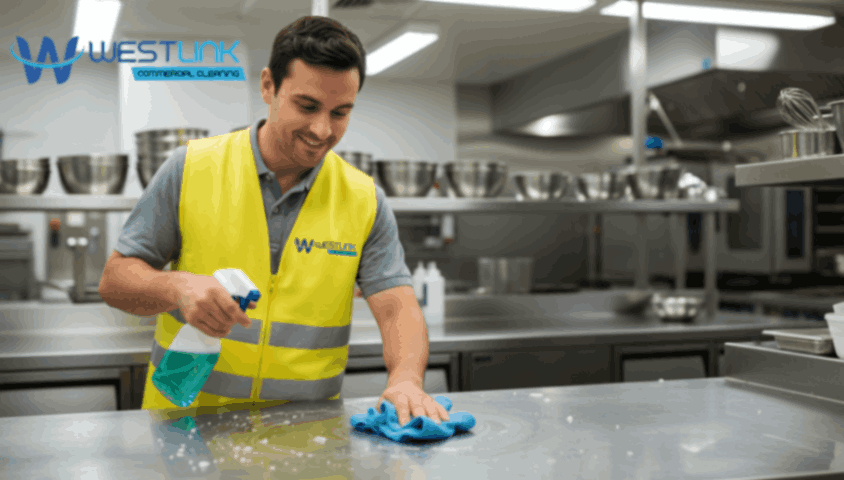
Start by clearing away crumbs, spills, and any leftover food particles. Use a soft microfiber cloth dipped in warm water mixed with a few drops of mild dish soap. Gently wipe the surface to remove grease or residue, then dry it immediately with a clean towel. This prevents water spots and helps your countertops stay streak-free and fresh all day.
2. Weekly Deep Clean
Once a week, give your countertops a more thorough cleaning. Mix warm water with a gentle, non-abrasive cleaner and wipe down the entire surface, focusing on corners and areas that collect stains. Rinse with clean water to remove any soap residue, and dry completely with a soft cloth. Regular deep cleaning not only restores shine but also keeps your kitchen free from buildup and bacteria.
3. Spot Treatments
For small issues like grease or stains, treat them as soon as they appear. Use warm water and mild dish soap to break down grease without damaging the surface. For stubborn stains, make a light baking soda paste and test it on a small area first to ensure it’s safe for your countertop material. When disinfecting, choose a mild disinfectant that’s suitable for your countertop type that ensures cleanliness without causing damage or dullness.
DIY vs. Professional Kitchen Countertop Cleaning Which Is Best
Cleaning your countertops is essential for a safe and beautiful kitchen. You can do it yourself with simple household supplies, or hire professionals for a deeper, more thorough clean. Each approach has its advantages, and understanding the differences can help you choose the right method for your kitchen needs.
Here’s a clear comparison of DIY and professional countertop cleaning:
| Feature / Aspect | DIY Countertop Cleaning | Professional Countertop Cleaning | Best For / Notes |
| Cost | Low – uses household supplies | Higher – pays for service and specialized tools | DIY is cheaper for daily cleaning; pros for occasional deep clean |
| Convenience | Can be done anytime at home | Requires scheduling and availability | DIY is more flexible; professionals save time for deep tasks |
| Effectiveness | Good for daily spills, grease, and light stains | Excellent for tough stains, deep grime, and polishing | Professionals are better for stubborn stains or stone maintenance |
| Skill / Knowledge Needed | Minimal – follow instructions carefully | High – trained in cleaning techniques and safe products | DIY is fine for routine maintenance; pros are best for delicate surfaces |
| Surface Safety | Depends on careful use of safe products and tools | High – uses safe, tested cleaners and techniques | Professionals reduce risk of scratches, etching, or seal damage |
| Maintenance Frequency | Daily or several times a week | Periodic – usually every few months | DIY keeps counters clean regularly; pros for periodic deep care |
| Longevity of Countertop | Helps prevent everyday wear and stains | Extends life with deep cleaning, polishing, and resealing | Combining both ensures long-lasting beauty and durability |
| Overall Advantage | Affordable, flexible, keeps surfaces hygienic daily | Professional finish, restores shine, handles tough jobs | Use DIY daily, professional occasionally for best results |
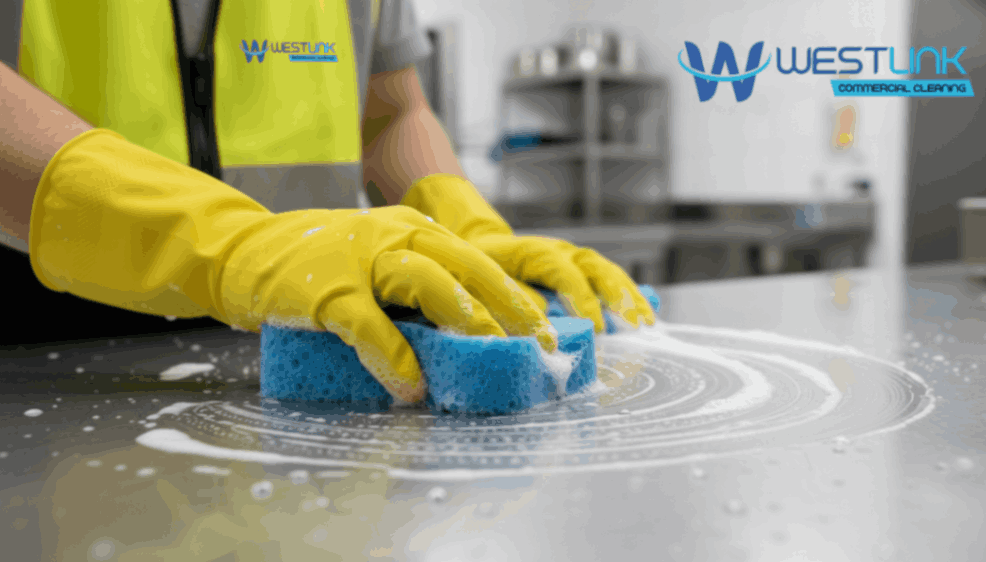
For most kitchens, the ideal approach is a combination of both. Daily DIY cleaning keeps your countertops hygienic, tidy, and free from minor stains, while professional cleaning every few months ensures deep cleaning, polish, and long-term protection. This balance gives you a safe, beautiful, and long-lasting kitchen that’s easy to maintain.
10 Common Kitchen Countertop Cleaning Mistakes How to Solve Them
Many homeowners unknowingly damage their countertops by following habits that seem harmless. Avoiding these mistakes can help keep your surfaces beautiful, durable, and long-lasting.Below are the common problems
- Using harsh scrubbing pads or brushes
Rough scrubbers can scratch delicate surfaces like granite, marble, or quartz, leaving permanent marks. Always use a soft sponge or cloth for cleaning. - Pouring bleach or strong chemicals directly on the surface
Strong chemicals can erode finishes, discolor the material, or weaken the countertop over time. Opt for mild, pH-balanced cleaners that are safe for your specific countertop material. - Ignoring spills
Allowing spills to sit, especially acidic liquids like lemon juice, wine, or coffee, can stain or etch natural stone surfaces. Wipe spills immediately to maintain a pristine look. - Placing hot pans or pots directly on countertops
Extreme heat can crack, discolor, or warp your countertop. Always use trivets or heat-resistant pads to protect the surface. - Leaving heavy objects in one spot for too long
Appliances or heavy items placed in the same spot over time can create indentations, wear marks, or micro-damage. Move or rotate heavy objects occasionally and use rubber-feet pads to distribute weight evenly. - Using the edge of the countertop as a workspace or leaning area
Leaning, sitting, or placing items on the edges especially overhangs can chip or crack the countertop. Avoid using edges as support unless they are specifically designed to handle weight. - Mixing incompatible cleaners or letting residue build up
Using multiple cleaners without rinsing or applying cleaners not meant for your surface can create haze, sticky residue, or weaken protective layers over time. Always use material-specific cleaners and dry the surface thoroughly after cleaning. - Cutting directly on the countertop
Even small cuts from knives can scratch the surface and damage the finish. Always use cutting boards to protect your countertop from scratches and stains. - Neglecting regular maintenance
Natural stone surfaces, in particular, need periodic sealing to stay resistant to stains and etching. Skipping maintenance can reduce the lifespan and appearance of your countertops. - Allowing standing water near seams or edges
Water that pools along seams or edges can seep into the material, causing discoloration or even long-term damage. Always wipe surfaces dry after cleaning or spills.
By avoiding these common mistakes and following simple care habits, you can keep your countertops looking beautiful, clean, and safe for years to come.

Extra Tips for Keeping Your Kitchen Countertops Beautiful
Keeping your countertops looking fresh and new doesn’t have to be difficult. With a few simple habits, you can protect your surfaces and extend their lifespan:
Seal natural stone surfaces regularly: Granite, marble, and other natural stones benefit from periodic sealing. This helps prevent stains and keeps the surface looking smooth and polished.
Always use cutting boards and trivets: Avoid cutting directly on the countertop and never place hot pots or pans on the surface. Cutting boards protect against scratches, while trivets prevent heat damage.
Clean spills immediately, especially acidic liquids: Substances like lemon juice, vinegar, or wine can stain or etch natural stone if left too long. Quick cleaning preserves the beauty and integrity of your countertop.
Avoid standing water on edges or seams: Water that collects along edges or seams can seep into the material, causing discoloration or even damage over time. Always wipe surfaces dry after cleaning or spills.
By following these simple tips, your countertops will stay not only clean but also durable and stunning for years to come.
soda.
Conclusion
Keeping your kitchen countertops clean and well-maintained doesn’t have to be complicated or time-consuming. By using simple, safe cleaning methods, avoiding harsh chemicals, and following a few small daily habits, you can protect your surfaces from stains, scratches, and damage. Remember to act quickly on spills, use cutting boards and trivets, and regularly care for natural stone surfaces.
With consistent care and mindful cleaning, your countertops will not only stay spotless but also remain safe, durable, and beautiful for many years. A little attention each day goes a long way in preserving the heart of your kitchen.
Frequently Asked Questions
Can I use vinegar on my countertop?
Only on surfaces that are safe for acid. Avoid marble or limestone.
How often should I deep clean my countertops?
Once a week is ideal, with daily wipe-downs in between.
Are DIY cleaners safe for all countertops?
Not always. Always check your countertop type before using vinegar, lemon, or baking soda.
How do I disinfect my kitchen countertops after handling raw meat?
After cleaning with hot, soapy water, apply a food-safe sanitizer such as a diluted bleach solution 1 tablespoon per gallon of water and let it sit for at least 1 minute before rinsing and drying. This follows CDC recommendations for effective germ reduction in food prep areas.
Is bleach safe for countertops?
Diluted bleach is generally safe for non-porous surfaces like quartz, laminate, or sealed granite, but avoid it on unsealed natural stone like marble, as it can cause etching or discoloration. Always test in a small area first.
How often should I sanitize my countertops?
Sanitize after preparing raw foods like meat or eggs, and at least once daily in high-traffic commercial or home kitchens to prevent bacterial growth.
What is the best natural disinfectant for countertops?
White vinegar or hydrogen peroxide works well as a natural option for non-stone surfaces—spray, let sit for 5-10 minutes, then wipe. For stone, stick to mild soap to avoid acidity issues.
How can I remove hard water stains from my quartz countertop?
Mix equal parts water and white vinegar, apply with a soft cloth, let it sit for 5 minutes, then rinse thoroughly and dry. Avoid abrasive pads; this gentle method is endorsed by the Quartz Institute for maintaining the resin finish without damage.
Do I need to reseal my granite countertop, and how do I know when?
Yes, reseal every 1–3 years depending on usage. Test by sprinkling water on the surface—if it beads up, the seal is intact; if it soaks in, reseal with a stone-safe impregnator. The Marble Institute of America recommends this simple water test for ongoing protection.
Can I use magic erasers on my countertops?
Avoid them on delicate surfaces like marble, granite, or high-gloss finishes, as the micro-abrasive texture can dull or scratch over time. Stick to soft microfiber cloths for safe, streak-free cleaning on all countertop types.