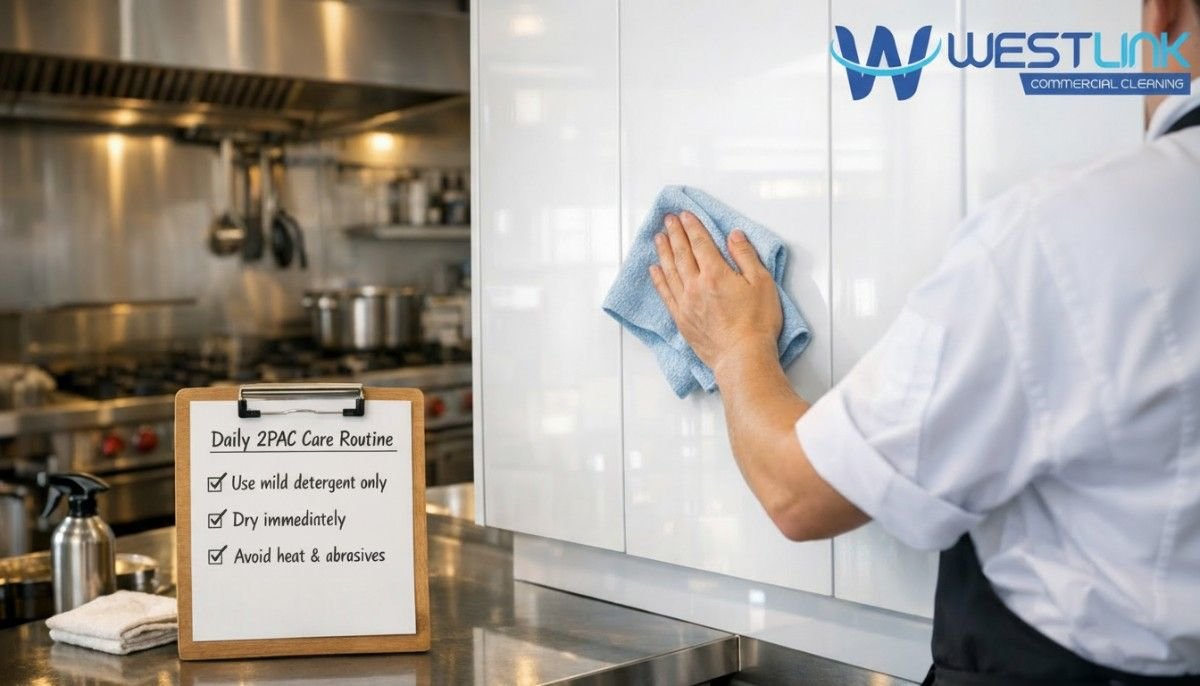
Stainless steel appliances are the centerpiece of any modern kitchen shiny, strong, and stylish. But without regular cleaning, fingerprints, grease, and mineral deposits can make them look dull and shorten their lifespan. Whether at home or in a busy commercial kitchen, keeping them clean isn’t just about looks but remember it’s all about hygiene, performance, and protecting your investment. In this guide, we cover everything like, the best tools, products, techniques and seasonal tips and much more about Cleaning Stainless Steel Appliances to help your appliances stay sparkling and last longer. Let’s dive into the detailed guide

Importance of Regular Stainless Steel Appliance Cleaning
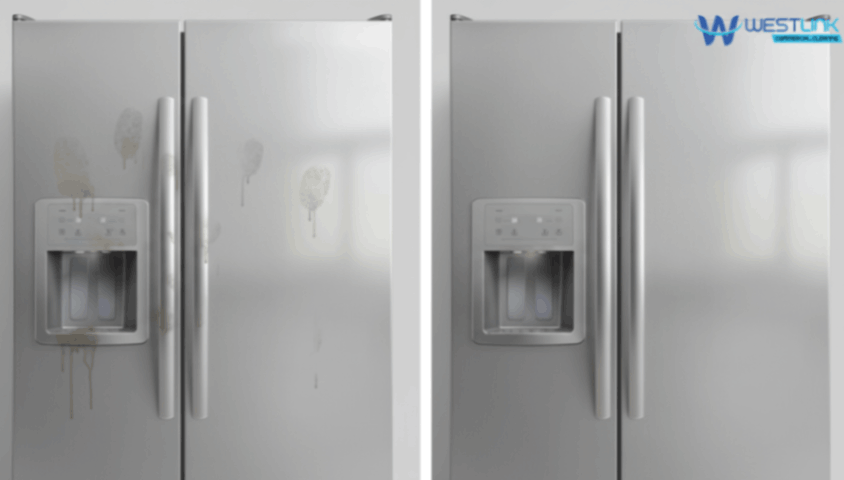
Cleaning your stainless steel appliances regularly is essential to keep them looking new and functioning well. Weekly cleaning helps remove oils, food residue, and mineral deposits that can dull or damage the surface over time. Consistent care not only extends the life of your appliances by up to 20% but also ensures a clean and hygienic environment in areas where food is prepared
What are The Types of Stainless Steel Kitchen Cleaning?
From everyday home kitchens to busy commercial spaces, these stainless steel cleaning ensure every appliance stays spotless, safe, and looking like new. Below the different types
- Residential Appliance Detailing: Deep cleaning designed for home kitchens to keep appliances spotless and hygienic.
- Commercial Kitchen Sanitation: Thorough cleaning for high-volume restaurant or hotel equipment to maintain safety and efficiency.
- Post-Construction Cleanup: Removing dust, adhesive, and debris from newly installed appliances.
- Restoration Cleaning: Polishing and restoring scratched, dull, or neglected surfaces to bring them back to their original shine.
What Tools and Equipment are Used In Stainless Steel Kitchen Appliance Cleaning?
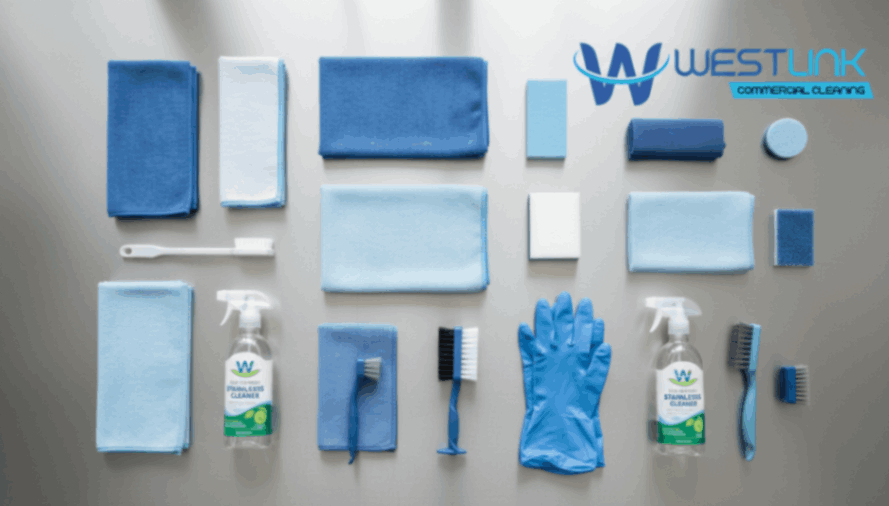
Microfiber Cloths (300+ GSM)
Microfiber cloths with a high GSM (grams per square meter) are essential for cleaning stainless steel appliances. They are soft yet durable, allowing you to wipe and buff surfaces without leaving lint or streaks behind. Using these clothes ensures a polished, professional-looking finish every time, making your appliances shine like new.
Soft Non-Scratch Sponges
Soft, non-scratch sponges are perfect for tackling stuck-on dirt and grime without damaging the delicate stainless steel surface. Their gentle texture allows you to clean effectively while avoiding scratches, maintaining the smooth, flawless look of your appliances.
Spray Bottles
Spray bottles make applying cleaning solutions easy and controlled. They allow you to evenly distribute the product across the surface, preventing overuse or dripping. This not only improves cleaning efficiency but also protects your appliances from unnecessary exposure to harsh chemicals.
Extendable Microfiber Pads
Extendable microfiber pads are designed for reaching high or awkwardly positioned areas on your appliances. They help you clean spots that are usually difficult to access, such as the tops of refrigerators or behind large ovens, without straining or risking injury.
Squeegees
Squeegees are ideal for drying large stainless steel panels after cleaning. They help remove excess water or cleaning solution, leaving a smooth, streak-free surface. Using a squeegee ensures that your appliances maintain a pristine, professional appearance with minimal effort.
What Products Are Used for Commercial Kitchen Stainless Steel Cleaning?
When it comes to cleaning stainless steel in commercial settings, using professional-grade products ensures the best results. These cleaners are formulated to tackle heavy grease, fingerprints, and smudges while protecting the metal surface. Common options include concentrated degreasers, food-safe polishes, and anti-static sprays, all designed to keep appliances looking spotless and hygienic.
Recommended Commercial Products
Some of the top products trusted by professionals include:
- Ecolab Stainless Steel Cleaner (5-gallon bulk): Ideal for large-scale cleaning, this concentrated formula effectively removes grease and leaves a polished finish.
- 3M Stainless Steel Cleaner & Polish (aerosol): Easy to use, it cleans, polishes, and protects stainless steel surfaces quickly, making it perfect for high-traffic areas.
- Diversey Shine-Up (lemon-scented): A pleasant-smelling option that combines cleaning power with a streak-free shine, keeping appliances hygienic and attractive.
Options for Home Use
For residential kitchens, smaller or lighter-duty versions of these products are available. These are safe and convenient for everyday use, giving your stainless steel appliances a professional-looking finish without the bulk of commercial-sized solutions.
Stainless Steel Appliances Cleaning Process and Methods
Preparation
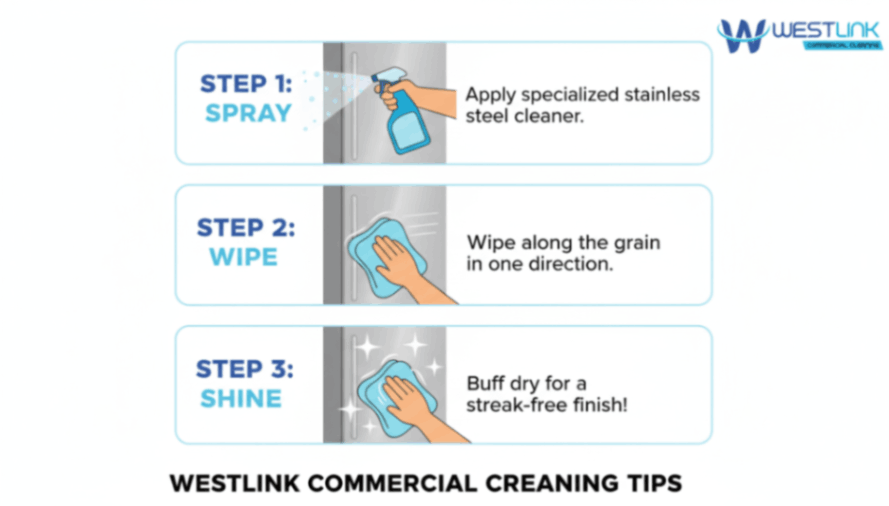
Before applying any cleaner, start by removing loose debris, dust, or crumbs from the stainless steel surface. Use a dry microfiber cloth to gently wipe the area, ensuring that dirt won’t scratch the surface during cleaning. Proper preparation helps achieve a smooth, streak-free finish.
Application
Hold your cleaner about 6–8 inches away from the surface and spray evenly. This controlled distance ensures that the product covers the area without excessive dripping, allowing for effective cleaning without wasting the solution.
Agitation
Using a damp microfiber cloth, wipe the surface along the grain of the stainless steel. Following the grain prevents scratches and helps lift grime and fingerprints more efficiently than scrubbing randomly.
Dwell Time
For tough spots or stubborn grease, allow the cleaner to sit for 30–60 seconds. This brief dwell time lets the solution break down residue, making it easier to remove without harsh scrubbing.
Buffing
After cleaning, use a clean, dry microfiber cloth to polish the surface. Buffing enhances the shine, removes any remaining cleaner, and ensures a streak-free, professional finish.
Inspection
Finally, inspect the surface under good lighting to spot any streaks, smudges, or missed areas. A quick final touch-up ensures your stainless steel appliances look flawless and well-maintained.
Best Products Reviewed and Price Comparison Table
| Product Name | Price | Key Feature | Best For | Rating |
| Bar Keepers Friend | $8 | Heavy grime | Ovens | 9.5 |
| Therapy Clean | $12 | Eco shield | Fridges | 9.2 |
| HOPE’S Perfect | $7 | Value | Daily | 8.8 |
| Magic | $9 | Repellent | Sinks | 8.7 |
| Weiman | $6 | Versatile | Cookware | 8.5 |
| ECOS | $10 | Non-toxic | Kids/pets | 8.3 |
| Method | $5 | Budget eco | Quick wipes | 8.0 |
What are the Common Mistakes in Stainless Steel Cleaning?
Even with the best tools and products, simple mistakes can dull the shine or damage your stainless steel appliances. Here are some common errors to avoid:
1. Using Abrasive Pads or Steel Wool
Abrasive pads and steel wool can leave permanent scratches on stainless steel surfaces. While they may seem effective for tough stains, they damage the protective finish, making the surface more prone to rust and fingerprints over time. Always choose soft, non-scratch sponges or microfiber cloths instead.
2. Wiping Against the Grain
Stainless steel has a natural grain pattern, similar to wood. Wiping against it can leave streaks and micro-scratches that reduce the surface’s shine. Always clean and buff with the grain for a smooth, uniform appearance.
3. Applying Cleaner to Hot Surfaces
Spraying cleaner on a hot appliance like an oven or dishwasher right after use can cause streaking and even chemical stains. Always let the surface cool completely before applying any cleaning solution to ensure safe and even results.
4. Skipping the Final Dry Buff
Leaving moisture or cleaner residue on the surface can lead to dull spots and water streaks. The final dry buff with a clean microfiber cloth is what gives stainless steel its signature mirror-like finish. Don’t skip this step if you want that professional shine.
5. Using Vinegar or Bleach Long-Term
While vinegar can work as an occasional natural cleaner, frequent use can dull stainless steel over time. Bleach, on the other hand, is corrosive and can permanently damage the surface. Stick to stainless-steel-safe products for long-term care and protection.
What are the Common Problems Stainless Steel Cleaners Face?
Even with the right products and techniques, maintaining stainless steel surfaces can come with a few common challenges. Understanding these issues helps you clean more effectively and keep your appliances looking new for longer.
1. Hard Water Mineral Deposits
In areas with hard water, mineral buildup can leave cloudy white spots or streaks on stainless steel. These calcium deposits are tough to remove and can dull the surface over time. Using filtered water for rinsing and wiping with a dry microfiber cloth afterward helps prevent these marks.
2. Reaching Tall Refrigerator Tops
The tops of refrigerators and tall appliances often collect dust and grease but are difficult to reach. This makes regular cleaning challenging. Using an extendable microfiber pad or a soft duster with a long handle allows you to clean these high areas safely and efficiently.
3. Removing Baked-On Oven Splatter
Oven doors and interiors can accumulate baked-on grease and food residue that resist normal cleaners. To tackle these spots, apply a commercial-grade degreaser or a paste cleaner, let it sit briefly, then wipe along the grain with a non-scratch sponge for best results.
4. Maintaining Black Stainless Steel
Black stainless finishes are trendy but delicate. Over time, they can show fingerprints, streaks, or even yellowing if cleaned with harsh chemicals. Always use mild, pH-neutral cleaners and soft microfiber cloths to maintain their deep, glossy look.
5. Cleaning Textured Finishes
Some stainless steel appliances have brushed or textured finishes that trap dirt and cleaner residue. Wiping with the grain using a damp microfiber cloth and buffing thoroughly afterward ensures all residue is removed without dulling the texture.
Benefits of Hiring Professional Kitchen Stainless Steel Cleaners
While regular maintenance can be done at home, professional stainless steel cleaning offers results that go beyond everyday care. Experts use advanced tools, specialized products, and proven techniques to keep your appliances in top condition. Here are the key benefits of hiring professionals:
1. Guaranteed Streak-Free Results
Professional cleaners know the exact methods and products needed to achieve a flawless, streak-free shine. They work with precision, ensuring every surface from refrigerators to ovens looks polished and uniform without smudges or water marks.
2. Access to Commercial-Grade Products
Professionals have access to high-quality, commercial-grade cleaning products that aren’t always available in retail stores. These solutions remove stubborn grease, fingerprints, and residue more effectively while protecting the appliance’s finish.
3. Time Savings for Busy Households
Hiring professionals saves you valuable time and effort. Instead of spending hours wiping and buffing, you can rely on experts to handle the job quickly and efficiently — perfect for households or businesses with tight schedules.
4. Protection of Warranty Conditions
Some appliance warranties require the use of specific cleaning methods or non-abrasive products. Professional cleaners understand these requirements and ensure your stainless steel is maintained according to manufacturer guidelines, helping you keep your warranty valid.
5. Restoration of Scratched Surfaces
Over time, stainless steel can develop light scratches or dull spots. Professionals use specialized techniques and polishing compounds to restore the surface, bringing back its original luster and smoothness without causing damage.
Why Proper Safety and Compliance Are Essential for Kitchen Stainless Steel Cleaning?
Cleaning stainless steel appliances requires more than just the right products it also demands safe and responsible practices. Following proper safety guidelines not only protects you but also helps maintain a hygienic and compliant kitchen environment.
1. Wear Nitrile Gloves with Acidic Cleaners
When working with acidic or heavy-duty cleaners, always wear nitrile gloves. These gloves protect your skin from irritation and chemical burns while offering better grip and durability compared to regular latex gloves.
2. Ensure Proper Ventilation
Many stainless steel cleaners contain solvents or strong scents that can cause discomfort in enclosed spaces. Always clean in a well-ventilated area or turn on exhaust fans to allow fresh air circulation and minimize exposure to fumes.
3. Avoid Mixing Chemicals
Mixing cleaning products, especially those containing bleach or ammonia, can create toxic fumes and dangerous chemical reactions. Always read product labels and use one cleaner at a time to stay safe and maintain effective results.
4. Use Stable Step Stools for Height
When cleaning tall appliances like refrigerators or hoods, never climb on countertops or unstable furniture. Use a sturdy, non-slip step stool or ladder to reach high areas safely without risking injury.
5. Follow NSF Food-Safe Standards in Kitchens
In commercial or food-service kitchens, it’s essential to use cleaners that meet NSF (National Sanitation Foundation) food-safe standards. These approved products ensure that surfaces remain safe for food contact and comply with hygiene regulations.

DIY vs Professional Stainless Steel Cleaning
Whether you clean your stainless steel appliances yourself or hire experts depends on your needs, budget, and desired finish. Here’s a quick comparison to help you decide what works best.
| Aspect | DIY Cleaning | Professional Cleaning |
| Cost | Low – affordable household products and tools. | Higher – includes labor and commercial-grade supplies. |
| Results | Good – suitable for regular upkeep and light stains. | Excellent – delivers deep cleaning and mirror-like polish. |
| Time | Around 30 minutes depending on surface size. | 1–2 hours for thorough cleaning and surface restoration. |
| Equipment | Basic – microfiber cloths, mild cleaners, and sprays. | Advanced – industrial tools and specialized polishers. |
| Risk of Damage | Moderate – improper methods may cause streaks or scratches. | Minimal – professionals use safe, proven techniques. |
Maintenance & Aftercare Tips Stainless Steel Appliance Cleaning
Proper maintenance keeps stainless steel appliances looking new and reduces the need for frequent deep cleaning. Applying a protective oil film quarterly helps maintain shine and prevent fingerprints. Use magnetic microfiber holders to keep cleaning cloths easily accessible for quick touch-ups. Installing splash guards behind stoves protects surfaces from grease and spills. Train household members to always wipe along the grain, preserving the smooth finish and preventing streaks. Finally, set reminders in a home maintenance app to keep your cleaning routine consistent and stress-free.
Conclusion
When it comes to stainless steel cleaning, the right product depends on your needs. Bar Keepers Friend is ideal for tough, stubborn stains, Therapy works best for eco-friendly homes, and Method provides an affordable solution for everyday shine. Regardless of your choice, regular cleaning and proper maintenance are key to keeping your appliances looking polished and lasting longer. Start caring for your stainless steel today, and if you have any questions or tips, feel free to share them in the comments below or Get a free quote today!
Frequently Asked Questions
How do I choose the right cleaner for Kitchen stainless steel appliances?
Choose a cleaner formulated for stainless steel that avoids harsh chemicals (like bleach or high‑chloride formulas). Also check for “safe for food‑preparation surfaces” if the appliance is in a kitchen environment.
What is the easiest way to remove fingerprints and smudges from stainless steel surfaces?
Use a high‑gsm microfiber cloth and wipe in the direction of the grain. A gentle spray of a dedicated stainless steel cleaner or a mild dish soap solution will help lift oils and leave a streak‑free finish.
What should I avoid when cleaning stainless steel appliances?
Avoid abrasive scrub pads, steel wool, bleach/chlorine‑based cleaners, and wiping against the grain. These can scratch, dull or corrode the protective surface.
How do I deal with hard water marks or mineral deposits on stainless steel?
Rinse the area with filtered or clean water, then dry immediately using a microfiber cloth. For persistent mineral film, a mild cleaner specified for stainless steel or a gentle acid‑based product (used with caution) can help.
Can I use vinegar or baking soda to clean stainless steel appliances?
You can use diluted vinegar or a gentle baking soda paste for specific stains, but use caution vinegar’s acidity and abrasive pastes can damage finishes if mis‑used. Always test a small area first.
How often should I perform a deep clean on stainless steel appliances as opposed to maintenance cleaning?
For regular upkeep wipe‑downs weekly is often sufficient. A deeper clean (polish, restore or scrub built‑up grime) may be needed monthly or quarterly depending on usage and appliance type.
Do I need different cleaning methods for black stainless or textured finishes?
Yes! These finishes are more prone to visible fingerprints, smudges and trapped residue. Use pH‑neutral cleaners and microfiber cloths, and avoid overly aggressive tools or chemicals.
Is it worth hiring a professional to clean stainless steel appliances?
Yes. particularly for commercial settings, large appliances or when warranties require certified products/methods. Professionals use commercial‑grade equipment and can restore rather than just maintain.
What safety practices should I follow when cleaning stainless steel appliances?
- Wear protective gloves (especially when using stronger cleaning chemicals)
• Ensure good ventilation if using solvent‑based products
• Avoid mixing cleaning chemicals
• Use stable ladders or step‑stools for high or hard‑to‑reach areas
How can I maintain the shine and protect stainless steel appliances after cleaning?
After cleaning and buffing, apply a light protective film (some polishes include this). Wipe frequently with a microfiber cloth, keep those high‐use surfaces dust‑free, and schedule quarterly protective treatments or touch‑ups.