Maintaining a clean office involves more than just dusting desks and vacuuming floors; it requires careful attention to even the smallest details. One often-overlooked task is emptying commercial office bins properly, which is essential for creating a hygienic and organized workspace. Failing to manage bins effectively can result in unpleasant odors, cluttered areas, and potential health hazards for employees.
At Westlink commercial cleaning, a professional cleaning company, we recognize that effective office waste management goes beyond simply removing trash. It includes selecting the right bins for each area, ensuring waste is segregated correctly, and maintaining a consistent schedule to prevent overflow. In this guide, we will provide practical tips, best practices, and expert strategies to help offices manage their bins efficiently, maintain hygiene, and promote a cleaner, healthier work environment.
Why Proper Bin Emptying Matters?
Emptying office bins properly is essential for more than just removing trash; it helps maintain a clean, safe, and professional workspace.
- Maintaining hygiene: Regular bin emptying prevents bacteria, mold, and unpleasant odors from accumulating in the office.
- Creating a professional environment: Clean and well-managed spaces leave a positive impression on clients and boost employee satisfaction.
- Supporting workplace efficiency: Organized waste management keeps desks and walkways clutter-free, improving workflow.
- Promoting sustainability: Proper segregation and disposal of waste support eco-friendly practices and reduce environmental impact. The EPA provides a comprehensive guide for managing and reducing wastes in commercial buildings that outlines strategies for sustainable waste handling in office settings.
How to Properly Empty Office Bins?
Properly emptying office bins is crucial for maintaining a clean, hygienic, and professional workspace. Following a consistent process ensures that waste is handled safely, prevents odors, and supports overall office efficiency.
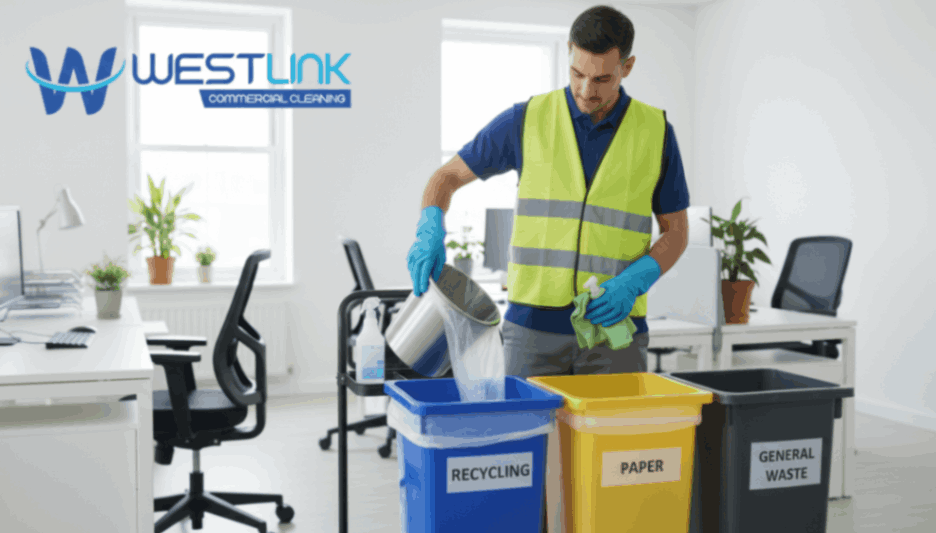
- Wear gloves: Always use gloves when handling waste to protect your hands and reduce the risk of contamination. This is a simple but essential step for hygiene.
- Remove liners carefully: Take out liners gently to prevent spilling trash, keeping both the floor and surrounding area clean.
- Check contents: Ensure that recyclables, compostable items, and general waste are correctly separated to support sustainability and proper disposal.
- Wipe down bins if necessary: Clean the inside and outside of bins when needed to prevent odors and bacteria from building up. The CDC offers detailed advice on when and how to clean and disinfect facilities to maintain sanitary conditions
- Replace liners: Always insert fresh, odor-free liners to maintain a pleasant environment and simplify future emptying.
- Inspect the area: Look for spills or debris around the bin and clean them immediately to ensure the workspace stays tidy and safe..
Disposing Office Wastes: Important Steps
Proper office waste disposal requires a systematic approach to maintain hygiene, efficiency, and sustainability. Following the right procedure ensures that waste is managed safely while keeping the workspace clean and professional.
- Collect bins from each workspace: Gather bins from desks, meeting rooms, and shared areas carefully to ensure no waste is left behind. This creates a smooth workflow for the cleaning process.
- Separate waste streams: Sort recyclables, compostable items, and general trash correctly to support eco-friendly disposal and reduce contamination.
- Transport waste to a central collection point: Move all waste carefully to larger bins or collection areas, avoiding spills and keeping floors clean.
- Empty into larger facility bins: Dispose of waste in the correct facility bins to maintain organization and follow office waste protocols.
- Sanitize smaller bins: Wipe the interiors and exteriors of bins when needed to prevent odors, bacteria, and unpleasant smells.
- Replace liners and return bins: Insert fresh liners and place bins back in their designated areas, ready for the next use.
1: Desks and Workstations
Small personal bins are perfect for desks:
- Encourage employees to dispose of papers and food waste immediately.
- Empty bins daily or as needed to avoid clutter.
- Keep liners and disinfectant wipes nearby for quick cleaning.
2: Shared Spaces and Meeting Rooms
These high-use areas require special attention:
- Medium-sized bins with odor control help maintain a professional atmosphere.
- Empty after each meeting or at least once per day.
- Wipe surfaces around bins to prevent spills and maintain hygiene.
Matching the Right Bin to the Right Office Space
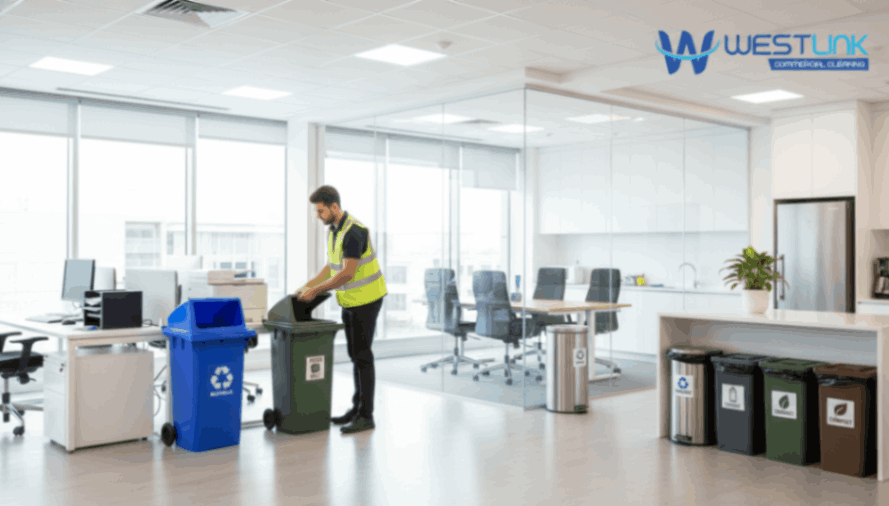
Different office areas have different waste requirements. Choosing the right bin ensures efficiency and cleanliness:
- Desks and workstations: Small personal bins are perfect for paper, recyclables, and minor trash, keeping individual desks organized and clutter-free.
- Shared spaces & meeting rooms: Medium-sized bins with easy access and odor control help maintain hygiene and a professional atmosphere for multiple users.
- Kitchens & break areas: Larger bins are necessary for food waste and general trash, reducing the need for frequent emptying and preventing odors.
- High-traffic areas: Durable bins with lids and foot pedals provide hygienic access, minimize spills, and withstand frequent use..
Using the correct bin type not only makes disposal easier for staff but also reduces the workload for cleaners and facility teams.
Bins That Work Smarter for Cleaners and Facility Teams
Choosing the right bins in an office isn’t just about aesthetics—it can save time, reduce effort, and improve hygiene for cleaners and facility teams. Smart bin selection helps maintain a cleaner environment, supports recycling practices, and makes daily waste management more efficient.
- Foot-pedal bins: Reduce hand contact, making waste disposal more hygienic and preventing cross-contamination.
- Color-coded bins: Simplify recycling by clearly distinguishing waste streams, making it easier for staff and cleaners to sort properly.
- Stackable or modular bins: Allow easy transport and storage, helping cleaning teams move multiple bins efficiently during rounds.
- Bins with liners or removable inserts: Make emptying faster and cleaner, minimizing spills and reducing the time needed for sanitation.
Smart bin design supports cleaners and improves office efficiency.
Smarter Waste Starts with Smarter Bins
Investing in high-quality bins benefits everyone:
- Reduces the frequency of bin emptying.
- Minimizes odors and contamination.
- Supports eco-friendly practices like recycling and composting.
- Helps maintain a tidy, professional, and healthy office environment.
Why Office Waste Management Needs a Rethink?
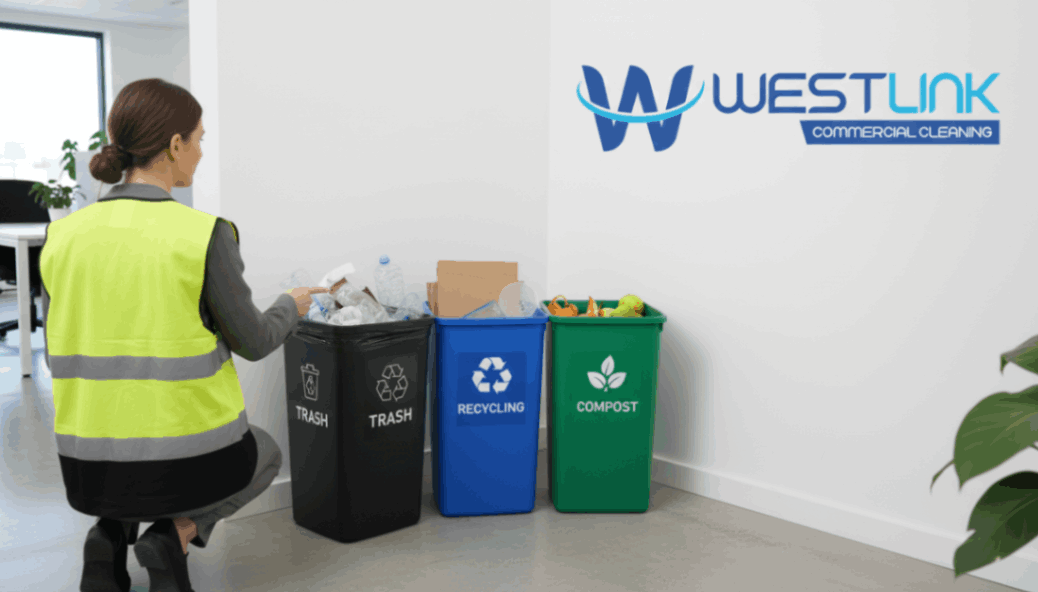
In many offices, waste management is still treated as an afterthought—bins are emptied only when full, recyclables are mixed with general trash, and hygiene can be inconsistent. However, a modern office requires a strategic approach to waste management to maintain cleanliness, efficiency, and sustainability.
Rethinking office waste management is important for several reasons:
- Health and hygiene: Poorly managed waste can lead to unpleasant odors, bacteria growth, and even pest problems. A smarter approach minimizes these risks.
- Employee productivity: Cluttered or overflowing bins create distractions and can affect morale. Well-managed waste systems contribute to a cleaner, more organized workspace.
- Environmental responsibility: Proper segregation and recycling reduce landfill contributions and support sustainability goals. For more on sustainable strategies, NYU’s insights on five sustainable strategies for effective waste management in business emphasize sorting and reducing waste in office environments.
- Operational efficiency: Strategically placed bins and optimized collection schedules save time for cleaning staff and reduce overall maintenance effort.
By rethinking how waste is handled—from the type of bins used to how frequently they are emptied—offices can create a cleaner, healthier, and more eco-friendly environment while reducing the workload for facility teams.
Kitchens and Break Areas
Kitchens and break areas are among the highest-traffic spaces in an office clean, generating a mix of food waste, disposable packaging, and general trash. Proper bin management in these areas is crucial for maintaining hygiene and a pleasant environment for all employees.
Tips for Efficient Bin Management in Kitchens and Break Areas:
- Use large, durable bins: These areas produce more waste, so choose bins with sufficient capacity.
- Odor control: Opt for bins with lids or odor-neutralizing liners to prevent unpleasant smells.
- Frequent emptying: Empty bins at least once per day—or more often if heavily used—to maintain cleanliness.
- Separate waste streams: Provide clearly labeled bins for recyclables, compostables, and general waste to encourage proper disposal.
- Clean bin surroundings: Wipe counters and floors near bins regularly to prevent spills or residue buildup.
- Employee awareness: Display signage encouraging staff to properly dispose of food, cups, and packaging.
Tip: Position bins near high-use areas like microwaves, coffee stations, and snack counters for convenience, reducing the chance of waste being left on countertops.
Tips from a Professional Commercial Cleaning Company
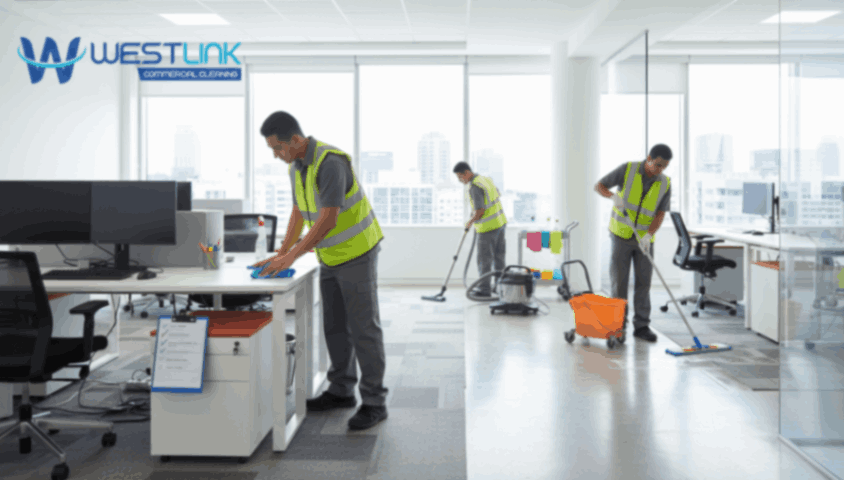
At Westlink Commercial Cleaning Services, we follow tried-and-tested methods to keep offices spotless, hygienic, and efficient. Our expert team understands that a clean workspace not only enhances your company’s image but also promotes productivity and well-being among employees.
Implementing these professional tips from Westlink Commercial Cleaning Services can help you maintain a tidy, organized, and welcoming environment — reducing health risks, simplifying waste management, and ensuring your office always looks its best for clients and staff alike.
- Use gloves and disinfectants: Always wear gloves and use disinfectants to protect staff from germs and ensure bins remain sanitary.
- Schedule routine checks: High-traffic areas may require multiple daily visits to prevent overflowing bins and maintain cleanliness.
- Educate employees: Clear signage and guidance encourage staff to dispose of waste correctly and follow office recycling policies.
- Maintain bin hygiene: Deep cleaning bins weekly prevents odor, bacteria buildup, and keeps the office environment fresh.
Conclusion
Properly emptying office bins may seem like a small task, but it has a significant impact on workplace hygiene and professionalism. Effective waste management ensures offices remain clean, organized, and productive, while preventing odors, clutter, and health risks.
By matching the right bins to each office area, maintaining a consistent disposal routine, and using smarter bin solutions, offices can create a cleaner, healthier, and more sustainable environment for employees and visitors alike. Partnering with a professional cleaning company guarantees that every workspace—including bins and high-traffic areas—is maintained to the highest standards, leaving a lasting positive impression and supporting a safe, efficient office culture.
FAQs About Emptying Office Bins
Can I recycle all office waste?
Not all office waste is recyclable. Paper, cardboard, certain plastics, and cans can go in recycling bins, while food waste and non-recyclable plastics should be separated. For best practices on reducing waste through recycling in office buildings, check out the USGBC’s article on back to basics: reducing waste in office buildings.
What’s the best way to prevent bin odors?
Always use liners, clean bins with disinfectant, and empty them before they overflow. Placing bins away from direct sunlight also helps prevent unpleasant smells.
Should employees clean their own desk bins?
Yes, encouraging employees to monitor and empty their own bins promotes a cleaner workspace and reduces the workload for cleaning staff.
What types of bins are best for offices?
Foot-pedal bins, color-coded bins, and bins with removable liners are ideal for hygiene and efficiency. Large bins suit kitchens, while small bins work well at desks.
Can professional cleaning companies help with office waste management?
Absolutely. Professional cleaners provide systematic bin emptying, sanitation, and proper waste segregation, ensuring a hygienic and compliant office environment.
How often should office bins be emptied?
Bins in high-traffic areas, shared spaces, and kitchens should be emptied daily to maintain hygiene. Personal desk bins can be emptied every other day depending on usage.
How should food waste be handled in offices?
Food waste should go into sealed compostable or general waste bins to prevent odors and contamination. Frequent emptying and proper disposal are key to hygiene.
Are shared bins in meeting rooms hygienic?
Yes, if they are emptied daily, cleaned regularly, and fitted with liners, shared bins can remain hygienic while accommodating multiple users.
What is the best way to encourage recycling among staff?
Use color-coded bins, clear signage, and employee training to promote proper waste segregation and ensure recyclables are disposed of correctly.
How often should bins be sanitized?
Bins should be wiped and disinfected weekly, especially in high-traffic areas, to prevent bacteria, odors, and maintain a healthy office environment