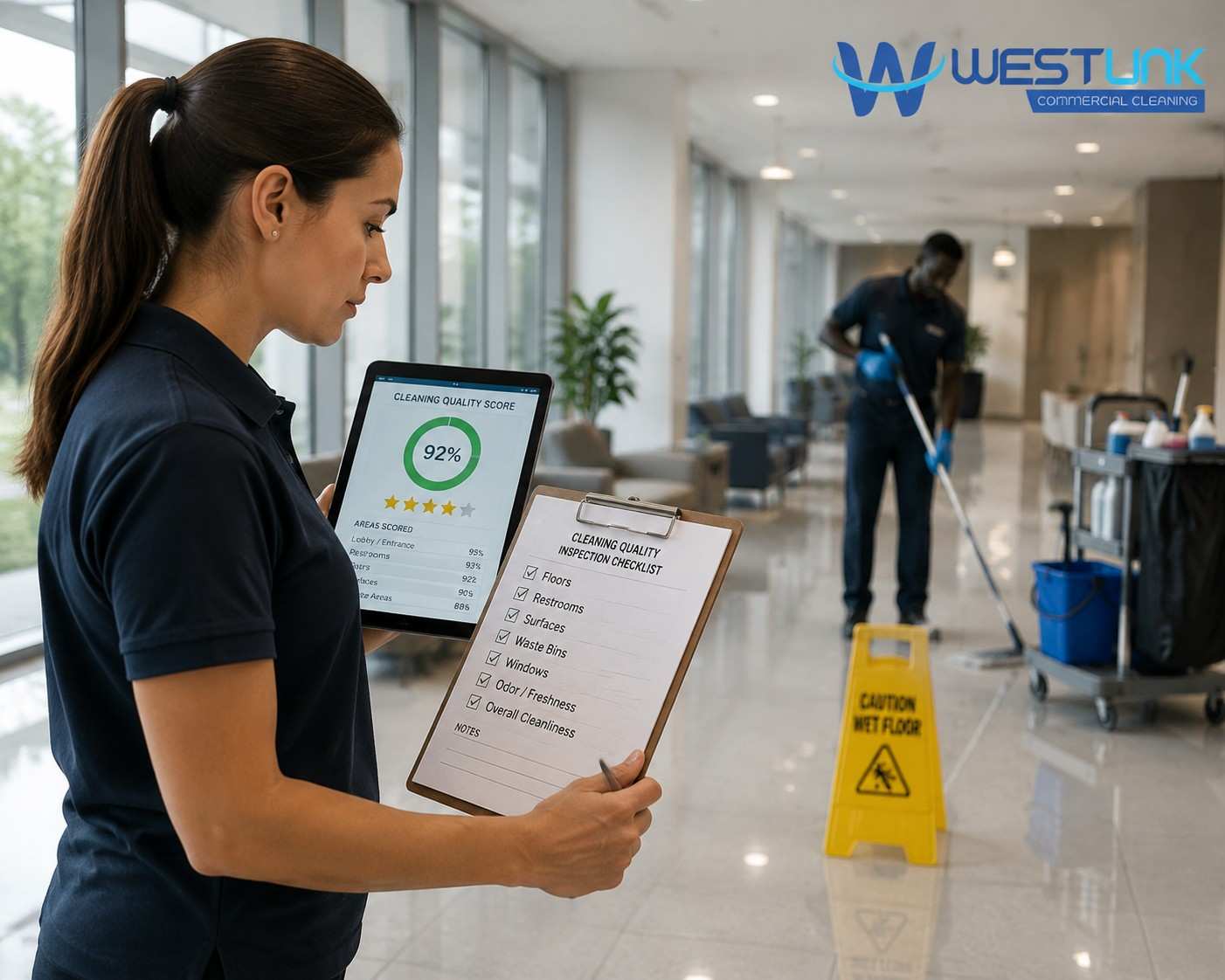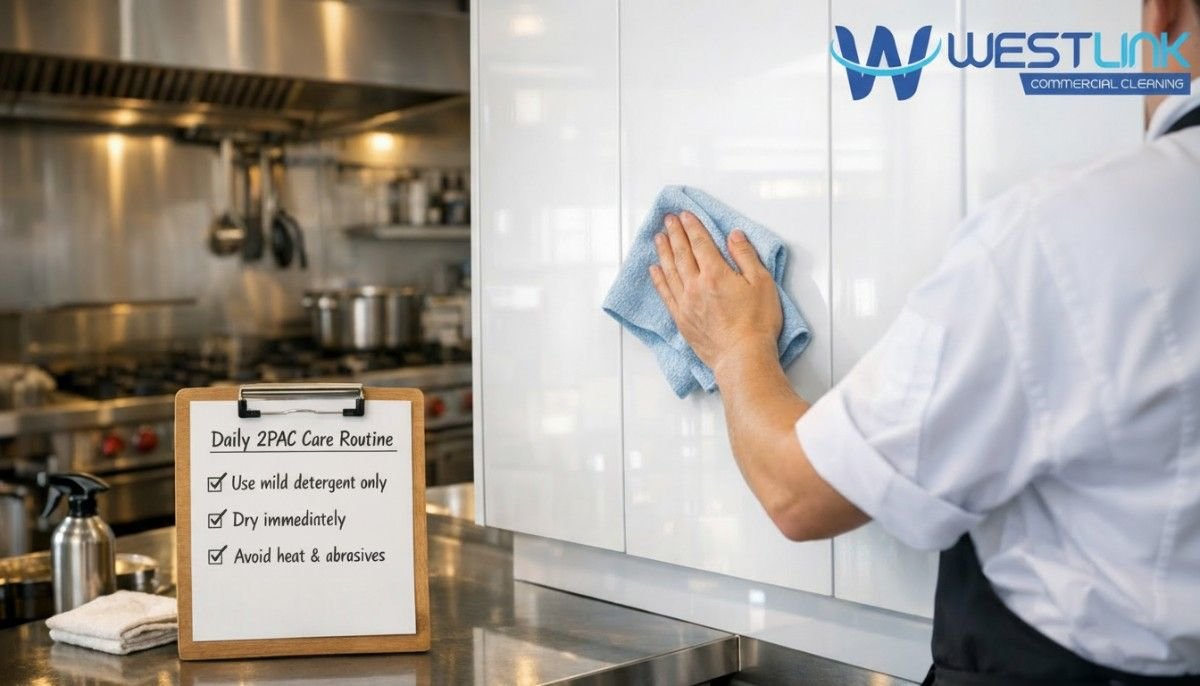
Keeping surfaces and utensils clean in a commercial kitchen is crucial because these areas are constantly exposed to grease, spills, food particles, and high temperatures. Unlike home kitchens, commercial environments operate for long hours and handle large volumes of food, which increases the risk of contamination. The FDA Food Code requires all food-contact surfaces and utensils to be cleaned and sanitized regularly to prevent foodborne illness. That’s why stronger, more durable cleaning tools are necessary.
Using the right tools also improves cleaning efficiency and makes daily maintenance easier for staff. Proper brushes, sanitizing solutions, cloths, and scrapers help remove stubborn buildup and prevent cross-contamination between different work areas. This reduces the risk of foodborne illnesses, keeps the workspace safe, and maintains a clean, professional appearance for customers and inspectors. A well-equipped kitchen not only performs better but also supports healthier and safer food preparation.
1. What is Kitchen Surface cleaning?
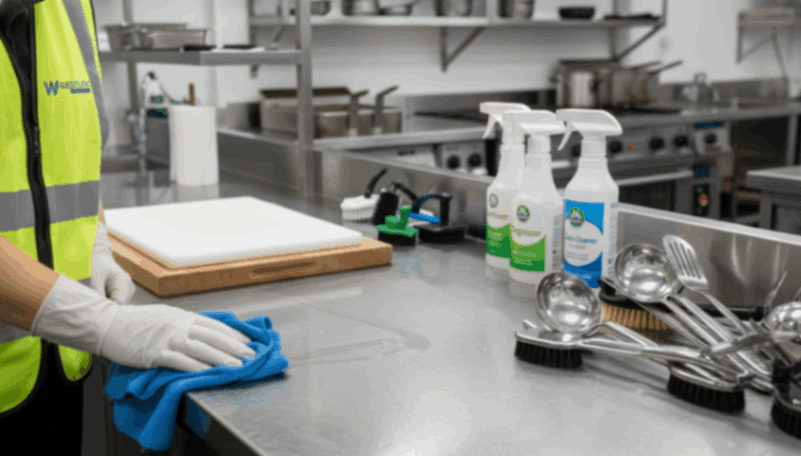 Kitchen Surface Cleaning is the process of thoroughly cleaning and sanitizing all surfaces in a commercial kitchen, including countertops, prep tables, stoves, sinks, walls, and high-touch areas. This cleaning removes grease, food residue, dust, and harmful bacteria, ensuring a hygienic environment for food preparation. Regular surface cleaning prevents cross-contamination, controls odors, protects kitchen equipment, and helps maintain compliance with health and safety standards.
Why kitchen surface cleaning matter?
Cleaning kitchen surfaces is crucial because these areas are in direct contact with food and are highly susceptible to grease, spills, bacteria, and other contaminants. The NSF International guidelines (.org) state that all non-food-contact surfaces (walls, floors, ceilings) must also be kept clean to prevent pest attraction and airborne contamination.
Essential Tools for Commercial Kitchen Cleaning Surfaces
Keeping commercial kitchen surfaces clean requires the use of essential tools designed for efficiency and safety. These tools help maintain hygiene across all areas, including prep tables, walls, countertops, stainless steel equipment, and high-touch points like handles and switches. Using the right cleaning equipment ensures that grease, spills, dust, and food residues are removed effectively, preventing bacterial growth and maintaining a safe, sanitary environment for food preparation.
- Microfiber cloths are essential cleaning tools in a commercial kitchen because they trap grease, dust, and food residue much more effectively than traditional cotton cloths, ensuring a cleaner surface with less effort.
- Trap grease, dust, and food residue effectively: Microfiber fibers hold onto particles instead of just pushing them around, which helps remove even fine dust and sticky grease.
- Soft texture prevents scratching: Their gentle surface is safe for stainless steel, polished counters, and other delicate surfaces, keeping them clean without causing damage or streaks.
- Non-Abrasive Sponges are ideal for cleaning light grease, food splashes, and spills without scratching surfaces.
- Wipe food splashes, light grease, and spills: Perfect for everyday messes in busy kitchens.
- Safe for multiple surfaces: Can be used on tiles, stainless steel, vinyl, and prep counters without causing damage.
- Scrub Brushes handle stubborn grease and buildup on walls, grout lines, and textured surfaces.
- Remove tough grease: Stiff bristles tackle grease and grime effectively.
- Safe for surfaces: Cleans thoroughly without harming walls or materials.
- Long-Handled Dusters reach vents, corners, light fixtures, and high walls safely.
- Access hard-to-reach areas: Prevent dust and grease in overlooked spots.
- Maintain hygiene: Keeps elevated surfaces clean without climbing or strain.
- Spray Bottles allow even application of cleaning solutions, degreasers, or sanitizers.
- Even solution application: Ensures thorough coverage on walls, counters, and appliances.
- Spot cleaning: Helps target greasy or stained areas quickly.
- Buckets are essential for mixing detergents, degreasers, and sanitizing solutions.
- Mix cleaning solutions efficiently: Provides large volumes for cleaning big surfaces.
- Rinse tools effectively: Useful for keeping sponges, cloths, and brushes clean during use.
- Step Ladder or Stable Platform ensures safe access to ceilings and upper walls.
- Safe access to heights: Reduces risk of falls when cleaning high areas.
- Effective deep cleaning: Makes it easier to reach vents, walls, and overhead surfaces thoroughly.
2.What is Kitchen Utensils cleaning?
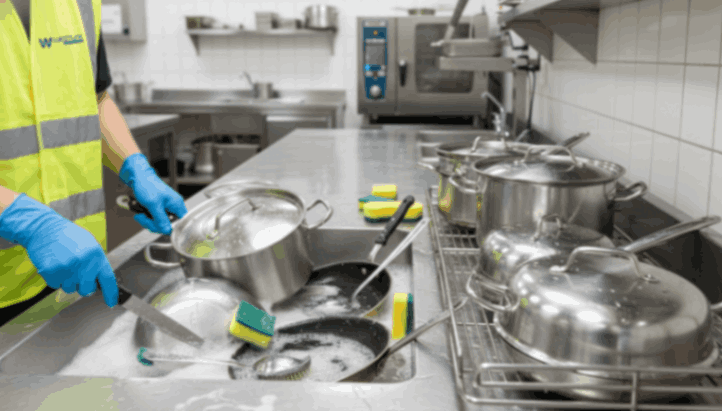
Kitchen Utensils Cleaning refers to the process of thoroughly washing, scrubbing, and sanitizing all tools and equipment used for food preparation, such as knives, pots, pans, spoons, and trays. Proper cleaning removes food residue, grease, and harmful bacteria, ensuring that utensils are safe for reuse. In commercial kitchens, utensil cleaning is critical to prevent cross-contamination, maintain hygiene, and comply with food safety standards, supporting a healthy and safe environment for staff and customers. Proper cleaning removes food residue, grease, and harmful bacteria. The ServSafe program (National Restaurant Association) teaches a mandatory wash–rinse–sanitize–air dry process for all utensils.
Why Kitchen Surface Cleaning Matters
Kitchen surface cleaning is vital because surfaces like countertops, prep tables, stoves, and sinks come into direct contact with food and are exposed to grease, spills, and bacteria. Proper cleaning removes harmful microorganisms, prevents cross-contamination, and reduces the risk of foodborne illnesses. Regular cleaning also protects the surfaces from damage caused by stains, moisture, or grease buildup, helps maintain a hygienic and safe environment for staff, and ensures compliance with health and safety regulations in commercial kitchens.
Essential Tools for Cleaning Utensils in Commercial Kitchens
Best Tools for Cleaning Utensils in a commercial kitchen are essential because utensils come into direct contact with food and must be thoroughly cleaned and sanitized to prevent contamination. Using the right tools ensures that pots, pans, knives, and other utensils are free of grease, food residue, and harmful bacteria, keeping the kitchen safe and compliant with food safety standards.
- Dishwashing Brushes help clean stubborn food residue on pots, pans, knives, and utensils.
- Scrub tough food particles: Long handles allow deep cleaning in pans and hard-to-reach areas.
- Safe and efficient: Enables thorough cleaning without damaging utensils.
- Soft Scouring Pads remove baked-on stains and grime from cookware.
- Tackle tough stains: Effective on pans, trays, and baking sheets.
- Surface-safe: Gentle on stainless steel and aluminum to prevent scratches.
- Soaking Bins allow utensils to soak in warm, soapy water or sanitizing solutions.
- Loosen grease and food residue: Makes washing easier and more effective.
- Prevents hard scrubbing: Reduces effort and protects utensil surfaces.
- Commercial Dish Racks keep utensils upright for proper washing and drying.
- Enhance airflow: Promotes quick drying and reduces moisture buildup.
- Reduce recontamination: Keeps utensils separated and hygienic.
- Food-Safe Sanitizer kills bacteria and ensures utensils are safe for reuse.
- Eliminate harmful bacteria: Essential for proper sanitation after washing.
- Maintain hygiene standards: Ensures compliance with food safety regulations.
How to Maintain Cleaning Tools Properly?
How to Maintain Cleaning Tools Properly is essential for ensuring they remain effective, hygienic, and long-lasting in a commercial kitchen. Regular maintenance prevents bacterial growth, unpleasant odors, and deterioration of cleaning equipment, helping maintain a safe and sanitary environment.
- Wash microfiber cloths daily: Prevents grease and bacteria buildup for effective cleaning.
- Replace sponges regularly: Sponges retain moisture and germs, so frequent replacement is necessary.
- Sanitize scrub brushes after every shift: Ensures they remain free of bacteria and safe for repeated use.
- Empty and rinse buckets: Avoids residue, odor, and contamination from leftover cleaning solutions.
- Store tools properly: Keep all cleaning equipment in a dry, designated area to maintain hygiene and durability.
Recommended Products to Use Cleaning Tools
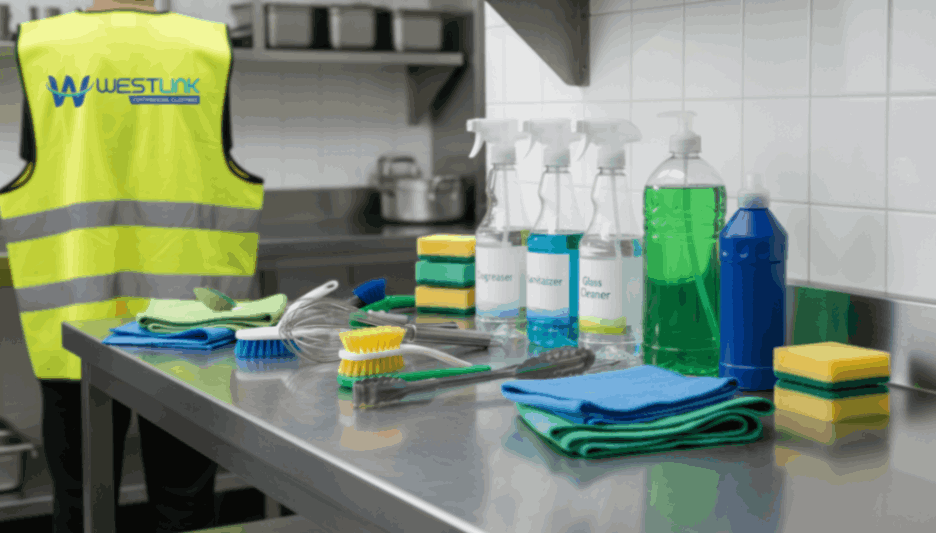
Recommended Cleaning Products to Use with These Tools are essential for maximizing the effectiveness of your commercial kitchen cleaning routine. Pairing the right cleaning agents with appropriate tools ensures that surfaces and utensils are thoroughly cleaned, grease and stains are removed efficiently, and food safety standards are maintained. Using these products correctly reduces bacterial growth, prevents cross-contamination, and keeps the kitchen hygienic.
- Mild Dish Soap or All-Purpose Cleaner
- Remove everyday grease and spills: Ideal for routine cleaning of counters, walls, and utensils.
- Safe for multiple surfaces: Gentle enough for stainless steel, tiles, and prep areas.
- Commercial Degreaser
- Break down heavy grease: Effective on stoves, prep tables, pans, and kitchen walls.
- Quick and efficient cleaning: Reduces effort when tackling tough grease buildup.
- Baking Soda
- Gentle abrasive: Helps scrub stubborn stains without scratching surfaces.
- Multi-purpose cleaning: Works well on cookware, counters, and sinks.
- White Vinegar
- Natural grease remover: Cuts through oil and residue effectively.
- Odor elimination: Helps keep surfaces smelling fresh while cleaning.
- Food-Safe Sanitizer
- Kills bacteria: Essential for cleaning utensils, prep areas, and high-touch surfaces.
- Ensures hygiene compliance: Maintains food safety standards in commercial kitchens.
Safety Tools Every Kitchen Should Have
Safety Tools Every Kitchen Should Have are essential to protect staff while maintaining a clean and hygienic environment. Proper safety equipment reduces the risk of injuries, chemical exposure, and cross-contamination, ensuring that cleaning is both effective and safe for everyone in the kitchen.
- Cleaning Gloves
- Protect hands: Shields skin from hot water, grease, and harsh chemicals during cleaning.
- Prevent irritation and burns: Essential for frequent washing and scrubbing tasks.
- Aprons
- Protect clothing: Keeps uniforms and personal clothes clean from spills and splashes.
- Reduce cross-contamination: Helps maintain hygiene by preventing transfer of germs.
- Eye Protection (if using strong chemicals)
- Shield eyes from splashes: Prevents accidental chemical contact when mixing or spraying cleaners.
- Enhance safety compliance: Critical when handling strong degreasers or sanitizers in a commercial kitchen.
Benefits of Using the Right Cleaning Toos
Benefits of Using the Right Cleaning Tools in a commercial kitchen go beyond simply making cleaning easier—they ensure safety, hygiene, and efficiency. Proper tools help maintain a sanitary environment, protect kitchen surfaces, and streamline daily cleaning routines, ultimately supporting food safety and regulatory compliance.
- Better hygiene and safer food preparation: Proper tools remove grease, dirt, and bacteria effectively, reducing contamination risks.
- Faster and more efficient cleaning routines: Specialized equipment allows staff to clean quickly and thoroughly.
- Reduced grease and stain buildup: Consistent use of the right tools prevents stubborn residues and long-term damage.
- Longer lifespan of kitchen equipment and surfaces: Proper cleaning protects counters, utensils, and appliances from wear and deterioration.
- Compliance with health and safety regulations: Ensures the kitchen meets required standards, avoiding fines and maintaining a safe workspace.
FAQs
1. What tools are most important for cleaning commercial kitchen surfaces?
Microfiber cloths, soft sponges, scrub brushes, spray bottles, and dusters are the most essential.
2. Why are microfiber cloths better than regular cloths?
They trap grease and bacteria more effectively and don’t leave lint behind.
3. What tool is best for deep cleaning greasy walls?
A scrub brush paired with a commercial degreaser works best.
4. How often should cleaning tools be replaced?
Replace sponges weekly, microfiber cloths every few months, and brushes when bristles weaken.
5. Which sanitizer should be used for utensils?
Use a food-safe, commercial-grade sanitizer approved for kitchen use.
6. Are soaking bins necessary?
Yes, they help loosen grease on utensils, making washing far easier.
7. Can baking soda damage stainless steel?
No, it’s safe and works as a gentle scrubber.
8. Should utensils air-dry or be towel-dried?
Air-drying is preferred to prevent contamination.
9. Do I need different cloths for different surfaces?
Yes, using color-coded cloths helps prevent cross-contamination.