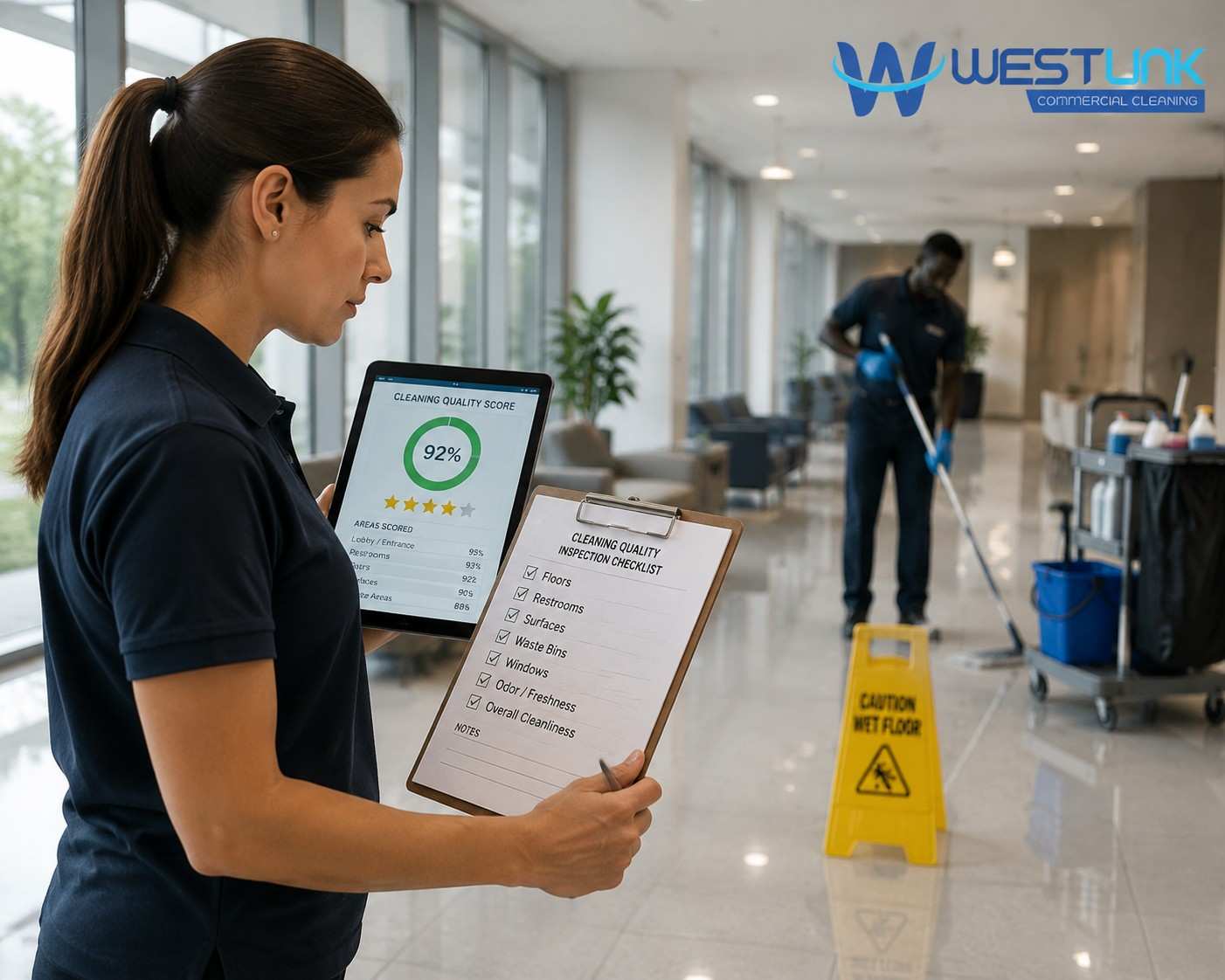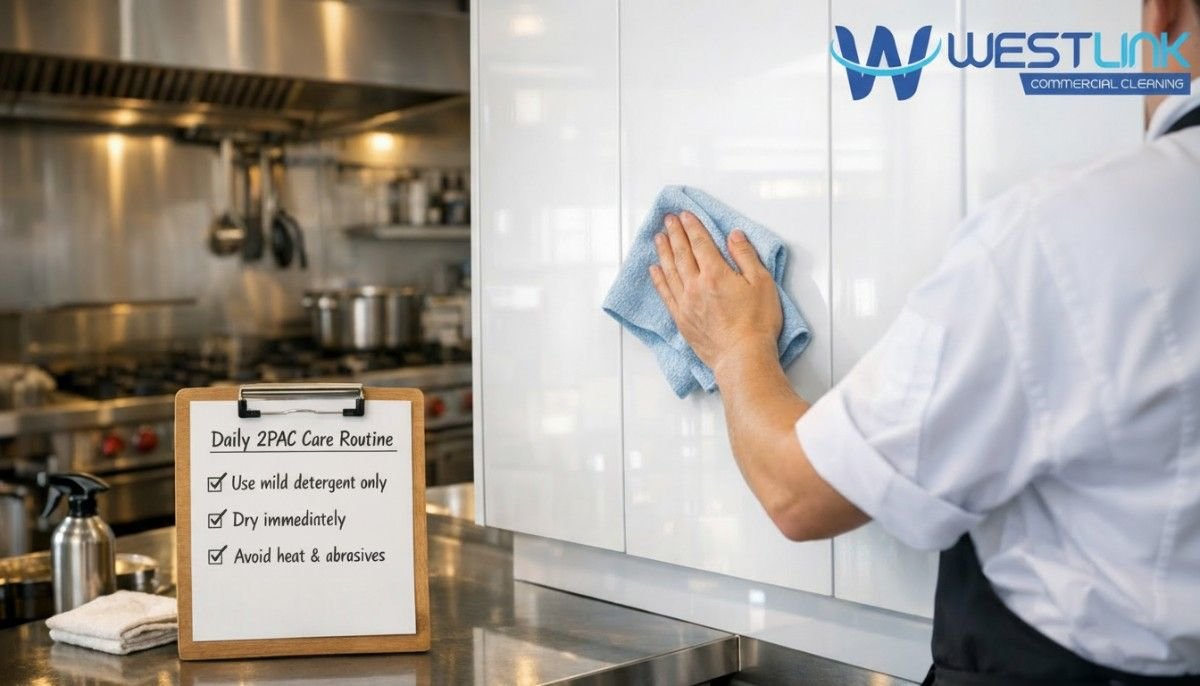
Ensuring a clean and well-maintained warehouse is essential for employee safety, smooth operations, and long-lasting equipment. Daily warehouse activities like forklift traffic, pallet handling, and constant material movement can create dust, debris, spills, and potentially hazardous residues if left unaddressed. Without a structured deep cleaning checklist, warehouses risk accidents, contamination of inventory, equipment wear, and decreased productivity. A properly designed warehouse deep cleaning checklist provides a step-by-step framework to maintain all areas, including floors, shelves, racks, machinery, and high-level storage zones. By following this checklist, warehouse managers can ensure safe operations, compliance with health and safety standards such as those outlined in the ANSI Warehouse Safety Checklist, and an organized workflow, making deep cleaning a critical component of efficient warehouse management.
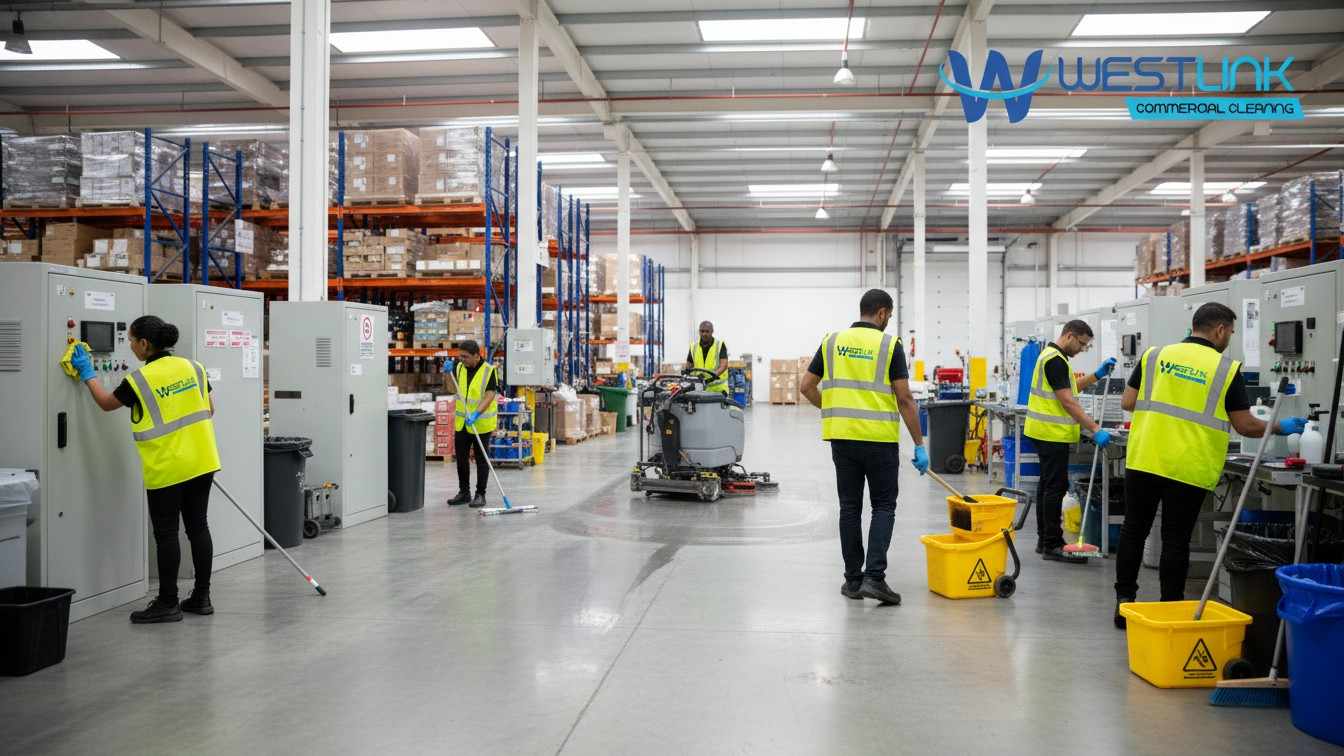
Daily Warehouse Deep Cleaning Tasks
Maintaining a clean and hygienic warehouse environment requires consistent daily cleaning routines. Focusing on high-traffic areas, frequently used equipment, and employee spaces ensures safety, reduces contamination, and promotes operational efficiency.
Floor Care
Sweep and dry mop all warehouse floors, particularly high-traffic aisles, loading docks, and forklift pathways, to remove dust, debris, and packaging materials. Promptly address spills, oils, or liquids to prevent slip and fall accidents, protecting both staff and equipment. Regular attention to floors also preserves floor coatings and reduces long-term maintenance costs, aligning with guidelines from the Centers for Disease Control and Prevention (CDC) on preventing slips, trips, and falls in workplaces like wholesale and retail trade establishments.
Waste Management
Empty general, recyclable, and hazardous waste bins at workstations, packing stations, and break rooms. Ensure proper segregation of waste streams to maintain a clean warehouse and comply with health and safety standards. Effective waste management also minimizes pest risks and promotes an organized working environment.
High-Touch Areas
Sanitize frequently touched surfaces such as door handles, light switches, equipment controls, scanners, and time clocks. This prevents the spread of germs and contaminants, supporting employee health and maintaining hygiene standards throughout the warehouse.
Workstations & Aisles
Implement a “clean desk” policy to ensure that all tools and equipment are stored properly. Maintain clear aisles, walkways, and emergency exits to allow safe movement of staff and machinery. Keeping these areas uncluttered enhances operational efficiency and reduces accident risks.
Restrooms & Break Rooms
Clean and disinfect restroom and breakroom surfaces, including counters, sinks, toilets, microwaves, and refrigerators. Regularly replenish consumables such as soap, toilet paper, and paper towels to support employee hygiene and overall well-being. A clean break area contributes to a healthier and more productive warehouse environment.
Weekly Warehouse Deep Cleaning Tasks
Performing weekly warehouse cleaning ensures that accumulated dirt, dust, and operational residues do not compromise safety, efficiency, or equipment performance. Regular attention to key areas reduces risks, improves hygiene, and extends the lifespan of machinery and infrastructure.
Deep Floor Cleaning
Conduct thorough floor cleaning using auto-scrubbers or specialized warehouse cleaning equipment to remove ingrained dirt, grime, and spills. Deep floor cleaning not only enhances slip resistance but also protects floor coatings and prepares the surface for long-term maintenance. As supported by research from the National Institute for Occupational Safety and Health (NIOSH) on enviromechanical hazards including hazardous flooring.
Equipment & Machinery
Clean and maintain all warehouse machinery, including forklifts, pallet jacks, and conveyor systems. Remove grease, dust, and operational debris, disinfect control panels, handles, and touchpoints, and inspect equipment for maintenance requirements. Consistent care ensures equipment efficiency and reduces the likelihood of breakdowns or workplace accidents.
Shelving & Storage Units
Dust and wipe down all racks, shelving, and storage units to prevent dust accumulation that can affect product quality. Organize pallets and storage containers safely to improve warehouse operational efficiency and reduce clutter. High-level dusting should also be included to maintain hygiene in hard-to-reach areas.
Air Quality
Inspect and replace HVAC air filters as needed to maintain optimal ventilation, reduce airborne dust and allergens, and create a healthier warehouse environment. Proper air quality management supports employee health and protects sensitive inventory.
Exterior Grounds
Sweep and clean all warehouse entrances, loading docks, sidewalks, and parking areas. Remove debris, trash, and obstructions to maintain a safe and organized perimeter. A well-maintained exterior enhances workplace safety and contributes to a professional warehouse image.
Monthly Warehouse Deep Cleaning Tasks
Monthly cleaning in a warehouse focuses on preventive maintenance, deep sanitation, and safety compliance. These tasks ensure long-term operational efficiency, protect inventory, and maintain a safe working environment for staff.
Hard-to-Reach Areas:
Perform a deep clean of ceilings, overhead lights, fixtures, ceiling fans, rafters, and beams to remove accumulated dust, cobwebs, and allergens. Cleaning these areas reduces airborne contaminants and improves overall warehouse air quality, contributing to a healthier workspace.
Floor Maintenance:
Inspect floor coatings, epoxy, or polished surfaces for signs of wear, cracks, or chips. Schedule sealing, polishing, or buffing as required to maintain slip resistance, surface durability, and floor longevity. Regular floor maintenance prevents costly repairs and ensures safe movement for staff and machinery.
Drainage Systems:
Check and unclog sinks, floor drains, and guttering to prevent water accumulation, hygiene hazards, and potential slip risks. Well-maintained drainage systems support clean and dry warehouse floors, reducing contamination and structural damage.
Safety Inspections
Conduct monthly safety audits to check for signs of pest infestations, mold growth, or other hazards. Inspect sprinkler systems, fire alarms, and emergency equipment to ensure functionality. These inspections are crucial for regulatory compliance and maintaining a safe warehouse environment. As emphasized in the OCWR’s guidelines on housekeeping for maintaining a safe, clean workplace.
Documentation:
Review and update warehouse cleaning SOPs (Standard Operating Procedures) to align with current safety regulations, operational standards, and industry best practices. Proper documentation ensures that all cleaning routines, inspections, and preventive measures are consistently followed and monitored.
Quarterly or Annual Warehouse Deep Cleaning Tasks
Quarterly or annual cleaning is critical for comprehensive warehouse maintenance, long-term safety, and operational efficiency. These tasks focus on areas that require specialized attention to prevent hazards, maintain infrastructure, and ensure regulatory compliance.
High-Level Cleaning
Perform detailed cleaning of ceilings, beams, ducts, vents, and lighting fixtures using lifts or high-reach tools. This reduces dust, allergens, and airborne contaminants, improving warehouse air quality and creating a healthier environment for staff.
Deep Floor Treatments
Apply power washing, sealing, or specialized treatments for epoxy, polished concrete, vinyl, or coated floors. These treatments enhance floor durability, slip resistance, and longevity, protecting the warehouse from heavy traffic wear and reducing maintenance costs.
Spill Management
Replenish spill kits and enforce strict protocols to handle chemical, oil, or liquid spills immediately. Effective spill management prevents accidents, contamination, and floor damage, ensuring safe operations across the warehouse.
Pest Prevention
Inspect warehouse entry points, waste zones, and packaging areas. Regular cleaning of surroundings reduces the risk of rodent, insect, or pest infestations, protecting both inventory and staff health.
HVAC Maintenance
Clean ventilation systems and replace air filters to maintain safe airflow, optimal air quality, and temperature control. Proper HVAC maintenance supports employee well-being and prevents contamination in sensitive storage areas.
Fire Safety Equipment
Inspect sprinklers, alarms, fire extinguishers, and emergency exits. Ensure all systems are accessible, fully functional, and compliant with safety regulations, reducing risk during emergencies.
SOP Documentation
Maintain detailed records of all cleaning, inspections, and maintenance activities. Proper documentation ensures accountability, compliance with industry standards, and consistent execution of warehouse cleaning protocols.
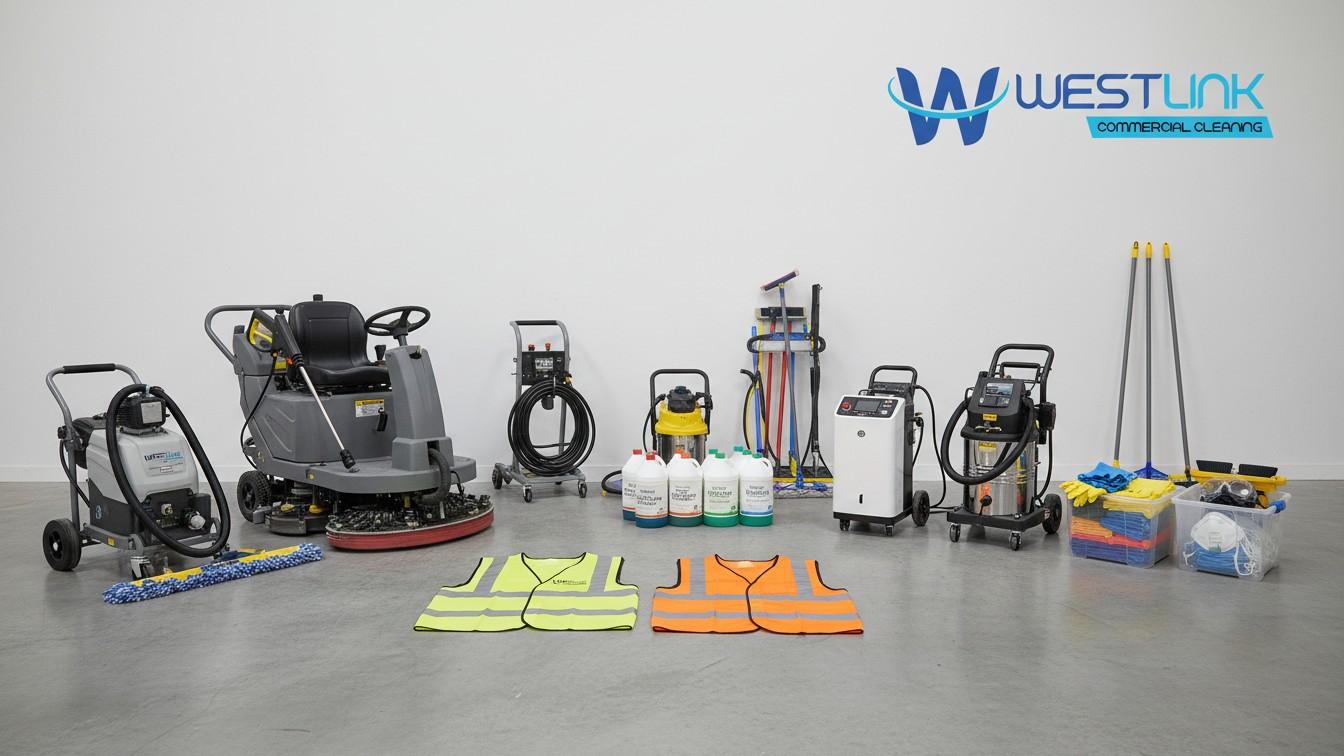
What’s Tools and Cleaning Agents Are Required for Effective Warehouse Deep Cleaning
Using the right tools and cleaning agents is essential for maintaining a safe and hygienic warehouse. Proper equipment ensures efficient cleaning of floors, shelves, and machinery while protecting surfaces and employees. Choosing suitable tools and solutions helps improve cleaning efficiency, reduce maintenance costs, and maintain workplace safety.
Industrial Sweepers and Scrubbers
Industrial sweepers and scrubbers are essential for covering large warehouse areas efficiently, removing dust, dirt, and debris from high-traffic aisles and open storage zones. These machines reduce manual labor, ensure consistent cleaning results, and help maintain safe and hygienic floors across different surfaces. as recommended by the International Sanitary Supply Association (ISSA) for commercial cleaning equipment.
Microfiber Mops and Dusters
Microfiber mops and dusters are highly effective for capturing fine dust, allergens, and small debris from floors, shelves, and equipment. Their superior dust-trapping ability ensures that surfaces remain hygienic without spreading particles around, making them ideal for warehouses focused on cleanliness and product safety.
Neutral or pH-Balanced Detergents
Neutral or pH-balanced cleaning solutions are recommended for floors, especially sensitive surfaces such as epoxy, polished concrete, vinyl, or rubber. These detergents remove dirt and grime efficiently while protecting floor coatings from damage and prolonging the lifespan of warehouse flooring.
Degreasers for Machinery Areas
Degreasers are necessary for cleaning machinery and equipment zones where forklifts, pallet jacks, and conveyors accumulate grease, oil, or residues. Regular use prevents slip hazards, keeps equipment in optimal condition, and supports safe warehouse operations.
Enzyme-Based or Eco-Friendly Cleaners
Enzyme-based or eco-friendly cleaning agents are ideal for chemical or organic spills, including food, pharmaceutical, or chemical storage areas. These cleaners safely break down residues, protect surfaces, maintain workplace safety, and support environmentally sustainable cleaning practices.
Pressure Washers for Outdoor Areas
Pressure washers are perfect for outdoor zones, loading docks, and heavily soiled areas where manual cleaning is insufficient. High-pressure water removes stubborn grime and debris, ensuring clean and safe operational spaces while reducing the risk of contamination or slips.
Choosing the Right Tools
Selecting the correct combination of tools and cleaning agents ensures that deep cleaning is both efficient and safe. Proper equipment enhances warehouse hygiene, reduces maintenance costs, protects floor surfaces, and improves overall employee safety.
Common Mistakes Warehouse Deep Cleaning How to Solve Them
Even a well-maintained warehouse can face risks if deep cleaning is not done correctly. Common mistakes like neglecting hidden areas, using harsh chemicals, or skipping proper safety measures can compromise employee safety, floor integrity, and operational efficiency. Recognizing and avoiding these errors ensures a clean, safe, and productive warehouse environment.
Ignoring High-Level Dust Accumulation
High-level areas, including ceilings, beams, vents, ducts, and lighting fixtures, often collect dust, cobwebs, and allergens that can easily go unnoticed. Ignoring these spots allows contaminants to settle and circulate in the air, reducing air quality and potentially affecting both employee health and the cleanliness of stored products. Regular high-level cleaning prevents hidden hazards and supports a healthier warehouse environment.
Using Harsh Chemicals on Sensitive Flooring
Floors such as epoxy, polished concrete, vinyl, and rubber are sensitive to strong chemicals. Using inappropriate or abrasive cleaning solutions can cause surface damage, reduce slip resistance, and shorten the lifespan of the flooring. Selecting neutral or pH-balanced cleaning agents ensures the floors remain durable, safe, and visually well-maintained.
Cleaning Only Visible Areas
Focusing only on floors and easily accessible surfaces while neglecting hidden corners, storage racks, shelving units, and under machinery can lead to dust, debris, and microbial buildup. These overlooked areas compromise product safety, hygiene standards, and operational efficiency, as contamination can spread unnoticed throughout the warehouse.
Failing to Document Cleaning Schedules and Inspections
Without proper documentation, cleaning routines become inconsistent, and essential tasks may be missed. Maintaining logs of daily, weekly, and monthly cleaning activities, along with inspection reports, ensures accountability, reduces errors, and guarantees compliance with workplace safety and hygiene regulations.
Overlooking Spill Control and PPE Usage
Neglecting proper spill management protocols or failing to enforce the use of personal protective equipment (PPE) exposes employees to chemical hazards, slip-and-fall accidents, and other injuries. Ensuring spill kits are accessible and staff are trained to handle hazardous substances protects both personnel and equipment while maintaining a safe working environment.
Benefits of a Warehouse Deep Cleaning Checklist
Using a comprehensive deep cleaning checklist brings multiple benefits to warehouse operations. By following a structured cleaning routine, facilities can reduce accidents, slip hazards, and contamination risks, keeping both employees and inventory safe.
Maintains Equipment Performance and Extends Floor Life
Regular cleaning helps protect machinery, forklifts, and conveyor systems from dust, grease, and debris buildup, ensuring smooth operation and reducing wear and tear. Well-maintained floors also last longer, preventing costly repairs and preserving slip-resistant surfaces.
Ensures Compliance with Safety and Hygiene Standards
A structured checklist ensures warehouses meet workplace safety, regulatory, and hygiene standards, particularly in industries handling food, pharmaceuticals, or chemicals. Consistent documentation of cleaning tasks also supports audits and regulatory inspections.
Supports Efficient Operations and Reduces Downtime
Keeping floors, aisles, and equipment clean improves workflow efficiency. Clear pathways and hazard-free zones allow forklifts and staff to operate smoothly, minimizing operational interruptions and reducing downtime.
Improves Air Quality and Staff Wellbeing
Regular removal of dust, allergens, and chemical residues enhances air quality within the warehouse. A cleaner, healthier environment supports employee wellbeing, reduces respiratory risks, and promotes productivity.
Conclusion
A warehouse deep cleaning checklist is not just a routine task, it is a strategic approach to maintaining a safe, hygienic, and efficient working environment. By following a structured checklist that covers floors, racks, equipment, high-level areas, and waste management, warehouse managers can ensure safe operations, regulatory compliance, and operational efficiency. Implementing daily, weekly, monthly, and quarterly cleaning intervals combined with proper tools, PPE, and preventive measures protects staff, inventory, and equipment while optimizing productivity. A proactive deep cleaning plan is an investment in warehouse safety and operational success, making it indispensable for modern warehouse management.
Frequently Asked Questions
What is included in a warehouse deep cleaning checklist?
Floors, shelves, racks, machinery, high-level areas, waste disposal, spill management, and safety checks.
How often should warehouses be deep cleaned?
Frequency depends on traffic, floor type, products stored, and safety requirements usually daily, weekly, monthly, and quarterly tasks.
What tools are best for warehouse deep cleaning?
Industrial sweepers, scrubbers, microfiber mops, eco-friendly cleaning agents, degreasers, and pressure washers.
Why is high-level cleaning important?
Prevents dust accumulation, improves air quality, reduces allergens, and protects inventory and machinery.
Can in-house staff do deep cleaning, or should it be outsourced?
Both options are valid. In-house staff handle routine cleaning; professional cleaners manage deep cleaning and high-level or chemical-sensitive areas.
What are the common mistakes to avoid during warehouse deep cleaning?
Ignoring high-level dust, using harsh chemicals on sensitive floors, cleaning only visible areas, neglecting documentation, and overlooking PPE or spill management. Avoiding these ensures safety and operational reliability.
How does deep cleaning improve worker safety?
Regular cleaning reduces slip, trip, and fall hazards, removes chemical or dust exposure risks, and maintains safe walkways and equipment, promoting a safer working environment.
How do I create a cleaning schedule for a warehouse?
Divide tasks into daily, weekly, monthly, and quarterly routines. Assign responsibilities, include high-traffic and sensitive areas, and ensure safety checks, spill management, and inspections are part of the schedule.
What role does sustainability play in warehouse cleaning?
Using eco-friendly detergents, enzyme-based cleaners, and water-efficient equipment reduces environmental impact while maintaining cleanliness and safety.
How can deep cleaning protect warehouse inventory?
Regular dusting, spill management, and cleaning of high-level and storage areas prevent contamination, reduce mold or chemical damage, and preserve product quality.