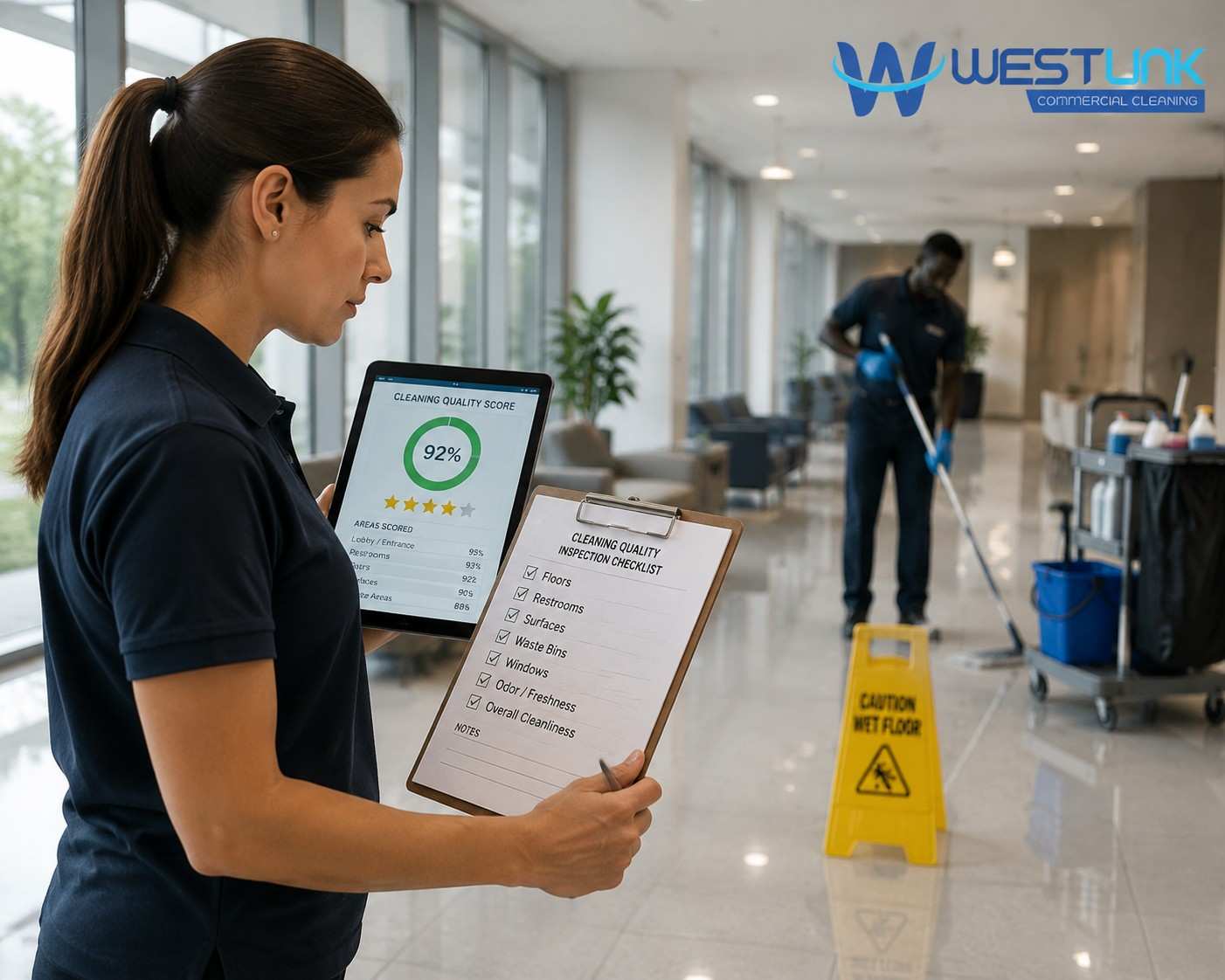
A clean, dust-free warehouse is essential for smooth operations because dust control, dust suppression, dust reduction, and proper dust containment directly affect safety, product quality, equipment lifespan, and worker health. According to research from the National Institutes of Health, occupational exposure to dust, even at low doses, can lead to respiratory symptoms and other health issues. Constant movement of forklifts, pallets, and machinery causes fine particles to circulate, settle, and create hidden risks.
So this guide explains not just how to remove dust but why it forms, what makes certain environments more hazardous, and how to choose effective industrial dust control systems based on airflow patterns, warehouse design, materials stored, and activity levels. Unlike basic competitor guides, this article provides advanced insights into air filtration, extraction systems, fogging solutions, cleaning routines, maintenance cycles, and employee best practices, giving warehouse managers a complete, practical roadmap for long-term dust management.
For professional commercial warehouse cleaning in Sydney, Westlink Commercial Cleaning provides comprehensive dust control and cleaning solutions tailored to your facility’s needs.
What Are the Sources of Warehouse Dust?
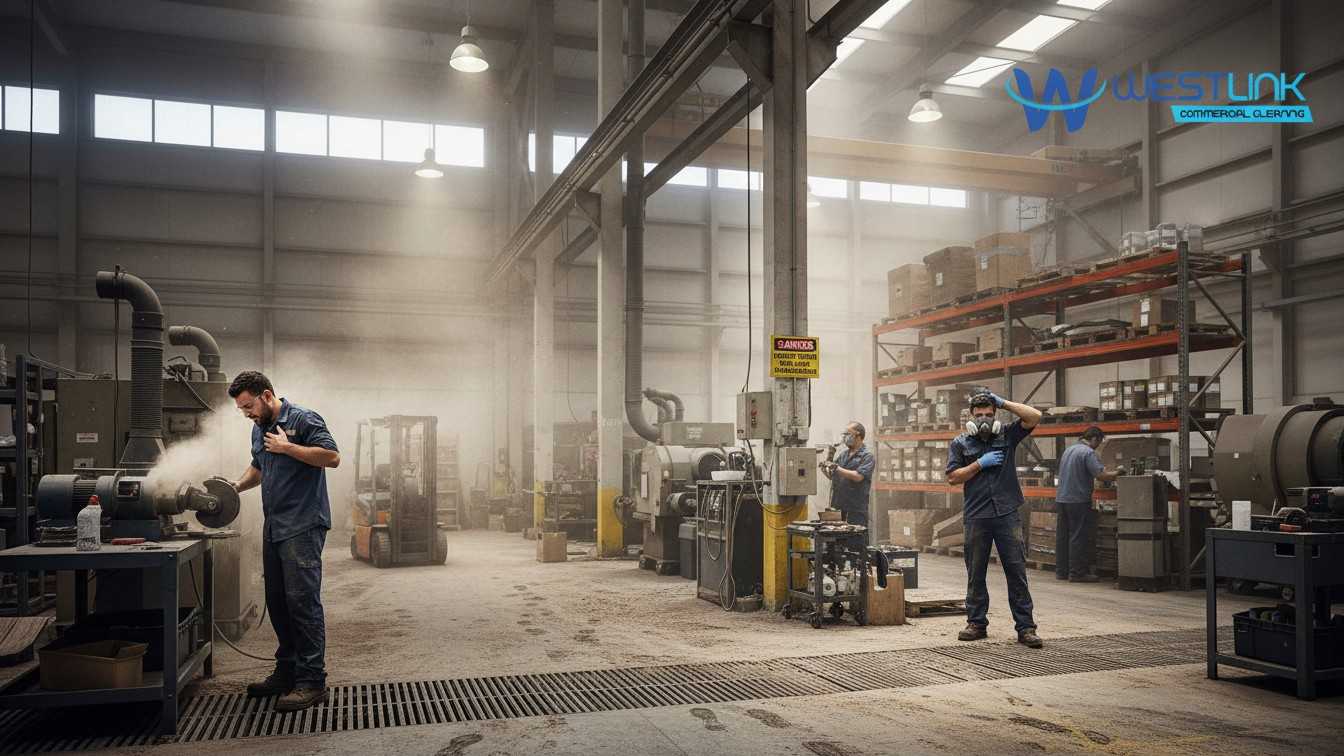
Before implementing any solution, warehouse managers must understand where warehouse dust originates. Dust is not random; it forms from identifiable sources that can be monitored and controlled. A successful industrial dust control plan begins with identifying these sources and assessing how they impact dust levels, worker safety, and product quality, as detailed in the NIOSH Dust Control Handbook for Industrial Minerals Mining and Processing.
Material handling and pallet movement
Wooden pallets shed fibres and splinters, which break down into fine dust particles. Every time a forklift lifts or moves a pallet, these fibres scatter, increasing airborne dust in the warehouse.
Forklift and machinery activity
Tyres and moving parts produce rubber particles and dust. Exhaust from older machinery can release fine particulate matter, contributing to poor air quality and equipment contamination.
Packaging materials
Cardboard boxes, shrink wrap, and corrugated packaging shed micro-fragments. These tiny dust particles easily become airborne during cutting, unpacking, or sorting processes.
Loading docks and open entry points
Outdoor dust and debris can enter through open doors, gaps in ventilation, and narrow passageways, increasing dust accumulation in storage and packing areas.
High-traffic walkways
Shoes and wheels track dust and dirt across different zones, spreading contaminants throughout the warehouse and onto products or equipment.
Product dust
Warehouses storing grain, powders, minerals, or raw materials naturally experience higher dust volumes, which require specialised dust suppression strategies.
High surfaces that accumulate dust
Rafters, beams, lighting fixtures, and HVAC ducts often accumulate layers of dust over time. These deposits eventually fall onto floors, products, or machinery, increasing maintenance requirements and safety risks.
Understanding these sources allows warehouse teams to create a targeted dust control plan, combining fogging systems, extraction units, cleaning routines, and dust containment methods rather than relying on generic cleaning alone.
Fogging and Water-Mist Systems for Industrial Dust Control
Modern warehouses use fogging or water-mist systems to capture airborne dust and maintain a clean environment. Fogging machines create fine water droplets that attach to dust particles, making them settle and preventing contamination of products, machinery, and high-traffic areas, forming a key part of industrial dust control. Research from Princeton University on suppressing grain dust explosions shows how water fogging can effectively reduce dust under controlled conditions.
Benefits of Fogging Systems in Warehouses
Implementing fogging systems in a warehouse provides significant advantages for industrial dust control. These systems capture airborne dust particles immediately, reducing exposure risks for workers and minimising contamination of stored goods. By reducing dust concentration in high-activity zones, fogging improves overall air quality, enhances worker safety, and helps maintain product quality. Additionally, fogging systems cover large warehouse areas efficiently while using minimal water, making them a cost-effective and environmentally friendly method for dust suppression.
Ideal Warehouse Locations for Fogging Systems
Fogging systems are most effective when strategically installed in areas where dust generation and circulation are highest. Key locations include loading docks, where outdoor dust can enter the warehouse, and sorting and packing stations, which produce dust from pallet handling and packaging materials. They are also highly beneficial along conveyor lines and forklift traffic lanes, which distribute dust throughout the facility, as well as at open doorways to prevent outdoor dust intrusion. Proper placement ensures that dust suppression is optimised, protecting both products and workers across the warehouse.
Advanced Tip for Warehouse Fogging
Use high-pressure fogging systems with ultra-fine droplets to prevent moisture accumulation on products, floors, or machinery. This ensures maximum dust suppression without creating additional cleaning or safety hazards.
Dust Extraction and Ventilation for Warehouse Dust Control
Effective dust extraction and ventilation are essential for warehouse dust control. LEV systems capture airborne dust at the source, preventing its spread. They use extraction hoods, ducts, fans, and filters, often including HEPA filters to trap fine dust particles, allergens, and bacteria, making them ideal for sensitive storage areas.
Benefits of Proper Ventilation in Warehouses
Proper dust extraction and ventilation remove dust before it spreads, significantly improving air quality and worker safety. These systems help maintain consistent airflow throughout the warehouse, preventing dust accumulation in hard-to-reach areas. They also support temperature control and overall air circulation, which benefits both equipment performance and product storage conditions. By actively managing industrial dust, warehouses reduce the risk of respiratory hazards, equipment malfunction, and contamination of stored goods.
Ideal Warehouse Locations for Extraction and Ventilation Systems
For maximum effectiveness, dust extraction systems should be positioned near dust-generating processes, such as packing stations, loading docks, and conveyor lines. High-traffic areas like forklift lanes and zones with frequent material handling are also prime locations. Proper placement ensures that airborne dust is captured immediately, minimising the spread of contaminants and enhancing overall dust control across the warehouse.
Maintenance Tips for Warehouse Dust Extraction Systems
Regular maintenance is crucial for optimal performance. Filters should be replaced before airflow decreases, ducts must be cleaned to prevent buildup, and fans and motors must be serviced routinely. Monitoring pressure levels can help detect blockages early, preventing system inefficiencies and maintaining consistent dust suppression.
Use of HEPA Filters in Warehouses
HEPA filters are essential in warehouses where sensitive products are stored, as they capture fine dust particles, allergens, bacteria, and even the smallest airborne contaminants. A study from the National Institutes of Health (NIH) demonstrates the effectiveness of portable HEPA air cleaners in reducing indoor particulate matter. Integrating HEPA filtration into dust extraction systems ensures the highest level of air quality, safety, and industrial dust control for critical storage and processing areas.
Barriers and Partitioning for Warehouse Dust Control
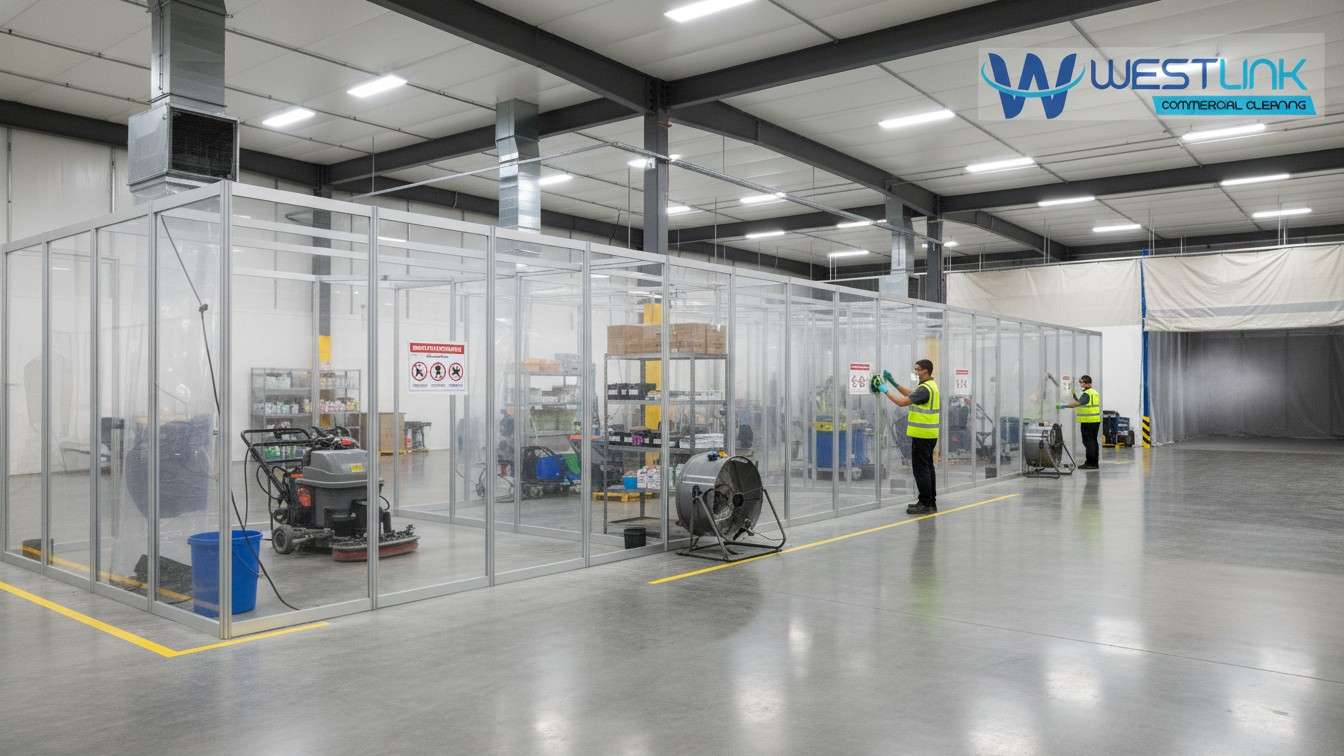
Using physical barriers and partitions effectively controls dust movement in a warehouse. PVC strip curtains or industrial partitions limit the spread of airborne dust, protecting products, equipment, and workers. Barriers slow and redirect airflow, causing dust to settle before reaching sensitive areas, especially in zones with forklift traffic or dust-generating machinery.
Effective Use of Barriers
To use barriers effectively, they should be strategically placed to isolate packing areas from storage zones, block off sections with heavy forklift activity, reduce airflow near loading docks, and separate high-dust machinery from clean processing areas. When combined with dust extraction systems, fogging solutions, and rigorous cleaning routines, physical barriers form a critical layer of industrial dust control, enhancing both warehouse safety and product quality.
Warehouse Cleaning and Housekeeping for Dust Control
A structured cleaning and housekeeping programme is essential for effective industrial dust control in a warehouse. Simple sweeping only redistributes dust, so a proper routine with the right tools is crucial.
Daily Cleaning Tasks
Clean floors with industrial sweepers, wipe packing tables and machinery, clean conveyors, empty waste bins, and maintain high-traffic walkways.
Weekly Cleaning Tasks
Wet mop floors, dust racking systems, clean equipment housings, wash loading docks, and wipe shelving and storage racks.
Monthly / Quarterly Cleaning Tasks
Target hidden dust on rafters, beams, HVAC vents, and external areas, including air filter replacements and pressure washing.
Wet Cleaning Benefits
Wet cleaning locks dust particles into mops or cloths, removing them completely and preventing them from becoming airborne.
Entry Mats and Wheel Cleaning
Use entry mats and wheel cleaning systems to reduce dust transported indoors by forklifts and personnel, keeping the warehouse cleaner.
When combined with dust extraction, fogging systems, and physical barriers, a rigorous cleaning programme forms a crucial part of a comprehensive warehouse dust control strategy.
Controlling Dust at the Source in Warehouse Cleaning
Proactive dust control at the source reduces overall dust load, protects worker health, and maintains product quality.
Switch to Plastic Pallets
Replacing wooden pallets with plastic pallets prevents dust generation, reduces contamination, is easier to clean, and increases durability.
Enclose Dusty Machinery
Machines handling dusty materials should have partial or full enclosures to prevent airborne dust, complementing dust extraction systems and improving air quality.
Modify Workstation Layouts
Place dust-generating processes away from storage, separate clean zones from high-dust areas, and implement one-way traffic flow to limit dust trails, making dust control part of daily operations.
Dust Monitoring and Risk Management in Warehouse Cleaning
A comprehensive warehouse dust control plan requires ongoing dust monitoring and a structured risk management system. Dust levels fluctuate daily due to operational activity, volume, and environmental factors, so monitoring helps identify dust spikes, locate high-dust processes, and assess system effectiveness to maintain a safe warehouse environment.
Monitoring Methods for Warehouse Dust
Effective monitoring combines visual inspections, dust deposition cards, real-time air quality sensors, and particle counters to track airborne dust concentrations and take timely action before it affects products or workers.
Risk Management Plan for Warehouse Dust
A solid risk management plan includes hazard identification, risk assessment, preventive controls such as dust extraction systems, barriers, and cleaning schedules, corrective actions, and scheduled reviews to ensure dust control strategies remain effective long-term.
Staff Training and Dust-Aware Culture in Warehouse Cleaning
Human activity significantly contributes to warehouse dust levels. Building a dust-aware culture starts with staff training, ensuring all employees understand their role in maintaining a clean and safe warehouse environment. Training helps staff recognise the impact of dust on health, product quality, and equipment performance.
Key Training Topics for Warehouse Dust Control
Training should cover how dust affects worker health, operating dust extraction systems, proper cleaning methods, identifying dust buildup, and safely handling dusty materials. This equips staff to minimise airborne dust and support overall industrial dust control.
Creating Cleaning Accountability in Warehouses
Clear cleaning responsibilities reinforce training. Assign staff to zones, use checklists, require end-of-shift cleaning, and conduct supervisor inspections. This ensures dust suppression becomes part of everyday warehouse operations.
By combining training with accountability, warehouses foster a dust-aware culture, improving air quality, worker safety, and product protection long-term.
Long-Term Maintenance of Warehouse Dust Cleaning Control Systems
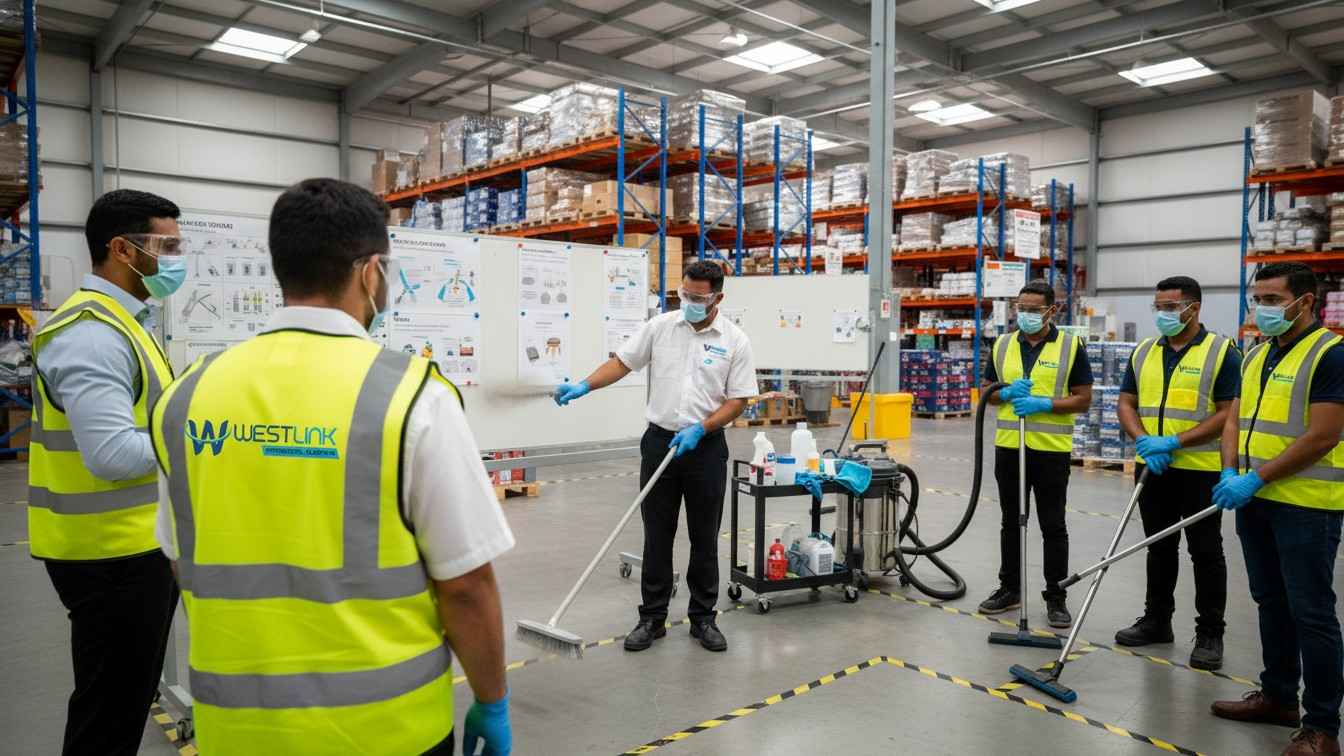
Every warehouse dust control system requires consistent maintenance to ensure optimal performance and prevent dust buildup, protecting workers and products.
Fogging System Maintenance
Clean nozzles, check pumps, and inspect water supply to ensure fogging systems capture airborne dust without excess moisture.
Ventilation System Maintenance
Replace filters, inspect ducts, monitor airflow, and service fans and motors to maintain effective dust extraction and consistent air circulation.
Barrier System Maintenance
Replace worn PVC strips and ensure partitions are sealed to prevent dust migration between zones.
Cleaning Equipment Maintenance
Maintain sweepers, vacuum filters, and battery units to support daily and deep cleaning routines and overall industrial dust control.
A structured maintenance programme ensures all systems operate effectively year-round, keeping the warehouse environment safe, clean, and productive.
Advanced Dust Control Solutions for Warehouses
Modern warehouses are adopting technology-driven dust control to improve air quality, worker safety, and product protection. Advanced technologies offer more efficient and sustainable approaches than traditional methods, including IoT-enabled systems as described in an IEEE paper on fine dust monitoring.
IoT-Enabled Dust Monitors: Track airborne particles in real time, send alerts for high dust levels, and provide analytics to fine-tune dust control strategies.
Automated Extraction Systems: Adjust airflow automatically based on dust concentration, ensuring continuous suppression while conserving energy.
Electrostatic Dust Removers: Use electrostatic attraction to capture dust particles, ideal for sensitive areas, and work alongside ventilation and extraction systems.
Sustainable Technologies: Include low-water fogging, energy-efficient local exhaust ventilation (LEV) systems, and biodegradable dust stabilisers to minimise environmental impact without compromising effectiveness.
By adopting these advanced technologies, warehouses can protect workers and products, improve air quality, and maintain long-term operational efficiency.
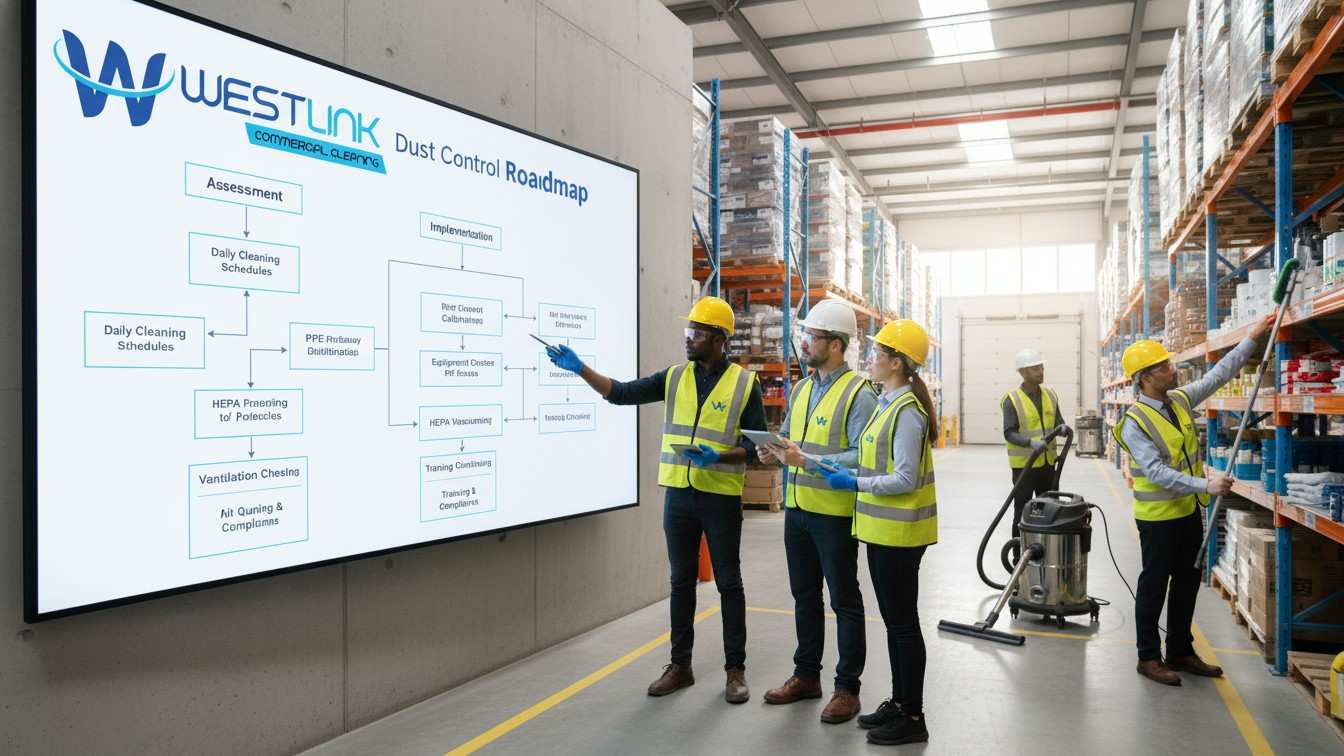
Building a Complete Dust Control Roadmap for Warehouse Cleaning
A successful warehouse dust management plan requires a structured roadmap that integrates all aspects of industrial dust control. By following a step-by-step approach, managers can ensure the warehouse remains safe, clean, and efficient over the long term.
Inspect the Facility
The first step is to thoroughly inspect the warehouse to identify dust hotspots and high-traffic areas where particles are most likely to accumulate. Understanding the sources and patterns of dust distribution allows for targeted intervention.
Measure Dust Levels
Next, assess dust concentrations using visual inspections, dust deposition cards, or real-time air quality sensors. Accurate measurement provides a baseline for evaluating the effectiveness of existing dust control systems.
Choose the Right Combination of Controls
Select an appropriate mix of dust suppression strategies based on the facility’s needs. This may include fogging systems, dust extraction units, physical barriers, rigorous cleaning programmes, and source-level controls such as plastic pallets or enclosed machinery.
Create a Cleaning Schedule
Establish a detailed cleaning routine with daily, weekly, and monthly tasks. This ensures all surfaces, machinery, and high-traffic areas are consistently maintained, supporting dust reduction and air quality management.
Train Workers
Educate staff on their role in dust control, including proper use of cleaning equipment, operation of extraction systems, and adherence to zone-specific cleaning protocols. A dust-aware culture ensures compliance and reinforces long-term dust suppression practices.
Monitor Progress
Regularly review dust levels to assess the effectiveness of the implemented controls. Use sensors, inspections, and analytics to track improvements or identify emerging dust risks.
Adjust and Optimise
Finally, refine your dust control strategy by improving airflow, relocating fogging units, upgrading filters, or modifying workstation layouts. Continuous optimisation ensures that the warehouse environment remains clean, safe, and compliant with industrial dust control standards.
Conclusion
Maintaining a clean warehouse requires a comprehensive dust control strategy that combines dust extraction systems, fogging solutions, physical barriers, routine cleaning, staff training, and ongoing dust monitoring. By implementing a multi-layered dust management plan, warehouses can ensure a safer, more efficient, and productive environment while keeping airborne dust under control.
Frequently Asked Questions
Why is dust control important in warehouses?
Dust control is essential because it protects worker health, prevents breathing issues, and reduces contamination risks. Too much dust also damages machinery and shortens equipment lifespan. A clean warehouse improves safety, air quality, and overall operational efficiency.
What are the main sources of dust in a warehouse?
Warehouse dust commonly comes from pallets, cardboard packaging, machinery movement, and forklifts. High-traffic areas constantly stir up settled dust. Products like powders, grains, and construction materials also naturally release fine particles into the air.
How do fogging or misting systems help control dust?
Fogging systems release a fine mist that attaches to airborne dust, making it fall to the floor. This quickly reduces dust in busy areas where movement constantly stirs particles. It helps improve air quality and creates a cleaner working environment.
What is the role of ventilation and dust extraction systems?
Ventilation and extraction systems remove dusty air and replace it with clean, filtered airflow. They capture dust directly at the source and help regulate the warehouse environment. HEPA filters trap even fine particles, improving overall air quality and worker comfort.
How do barriers and partitions help reduce dust?
Barriers help separate dusty zones from cleaner areas, preventing dust from spreading across the warehouse. They limit airflow between sections and protect sensitive products or equipment. This creates controlled spaces where dust is easier to manage.
How often should a warehouse be cleaned to control dust?
Daily cleaning helps remove dust from floors and work surfaces. Weekly cleaning targets shelves, racks, and machinery where dust settles over time. Monthly deep cleaning focuses on higher surfaces, ventilation systems, and hard-to-reach areas.
How can dust be controlled at the source?
Dust control starts with reducing what creates dust in the first place. Using plastic pallets, sealing packaging, and enclosing dusty machinery all help. A smart warehouse layout and controlled traffic flow also keep dust from spreading.
What advanced technologies are used for industrial dust control?
Modern warehouses use IoT dust monitors to track air quality and trigger automatic responses. Advanced extractors, electrostatic collectors, and low-water fogging systems improve efficiency. Energy-saving filtration technology helps maintain cleaner air with less power use.
How can warehouses maintain long-term dust control?
Long-term dust control requires regular system maintenance and timely filter replacements. Staff training ensures everyone follows proper procedures. Continuous monitoring and consistent cleaning keep the warehouse clean, safe, and dust-free year-round.