Warehouse pressure cleaning, also known as industrial pressure washing, is essential for maintaining a clean, safe, and high-performing warehouse environment. As warehouses power modern logistics, manufacturing, e-commerce, and distribution, keeping the facility dust-free, hazard-free, and operationally efficient becomes a critical responsibility. Unlike traditional janitorial methods, high-pressure washing uses advanced equipment such as hot-water power washers, steam cleaning systems, eco-friendly detergents, and hydro-blasting to remove stubborn oil spills, grease buildup, tire marks, chemical residues, mold, mildew, dust, and loading dock debris that manual cleaning cannot eliminate. This deep-cleaning process enhances warehouse safety, improves workflow efficiency, reduces downtime, lowers long-term maintenance costs, and ultimately boosts overall operational performance, making it a vital strategy for warehouse owners, facility managers, and operations teams seeking cleaner, safer, and more productive facilities.as supported by studies on warehouse work.
Warehouse Pressure Cleaning Creates a Safer Work Environment
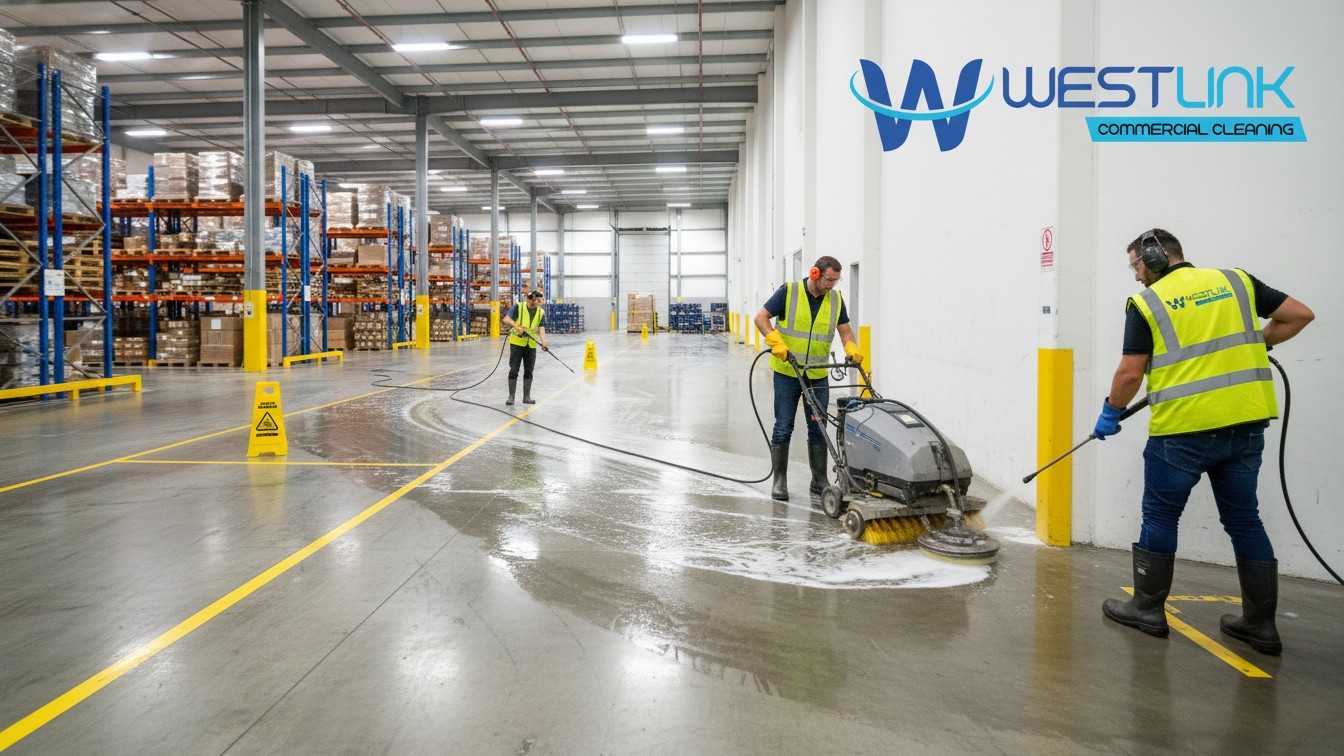
A warehouse environment naturally carries multiple safety hazards, and even small amounts of oil spills, dust buildup, grease, and chemical residues can turn into major risks. These contaminants lead to slippery floors, reduced traction for forklifts, damaged inventory, and increased chances of employee injuries or workplace compensation claims. They also contribute to non-compliance with safety regulations, making the facility vulnerable during inspections and audits. By integrating warehouse pressure cleaning into routine maintenance, businesses can eliminate these hazards at their source and maintain a safer, more efficient workspace.
How Pressure Cleaning Improves Safety
- Removes oil, grease, and spill residues from warehouse concrete floors, restoring proper traction.
- Eliminates slippery surfaces that often cause slip-and-fall accidents among workers.
- Clears dust and contaminants from racks, shelving units, beams, and hard-to-reach structural areas.
- Improves visibility by cleaning lights, windows, and reflective surfaces so forklift operators and staff can navigate safely.
- Prevents mold, mildew, and microbial growth, especially in humid or moisture-prone sections of the warehouse.
- Reduces fire hazards by eliminating dust accumulation from high shelves, rafters, and equipment surfaces.
Advanced Safety Benefits
- Fewer forklift skidding incidents due to clean, traction-enhanced floors that support stable movement.
- Cleaner aisles reduce pallet collisions, product damage, and workflow disruptions.
- Better line-of-sight for forklift operators thanks to spotless light covers and improved illumination.
- Safer chemical storage areas, as pressure cleaning removes residues that can react, corrode, or cause contamination.
- Reduced pest activity, as rodents and insects are less attracted to a clean, debris-free warehouse environment.
A clean warehouse directly strengthens safety standards, and safer operations naturally translate into better performance, fewer disruptions, and a more productive workforce.
Warehouse Pressure Cleaning Boosts Operational Efficiency & Workflow
A warehouse operates at peak efficiency only when goods, pallets, forklifts, staff, and machinery move seamlessly. However, dirty floors, cluttered loading docks, dust-laden racks, and debris-filled aisles can slow operations, increase handling errors, and disrupt daily workflows. Implementing warehouse pressure cleaning ensures a clean, organized, and hazard-free environment that supports smooth operations, faster workflows, and higher productivity.
How Pressure Washing Improves Workflow
Pressure washing plays a vital role in maintaining an efficient and productive warehouse environment. By removing dirt, debris, and spilled materials, it clears physical obstacles that can slow down daily operations. Clean and unobstructed drive aisles help prevent traffic bottlenecks, allowing forklifts and staff to move freely without delays. Regular pressure washing also reduces maintenance issues for forklifts by preventing dust and grime from accumulating in wheels and machinery. With cleaner floors and smoother pathways, pallet movement becomes easier and more efficient. Additionally, pressure washing helps prevent product contamination, especially for sensitive inventory, ensuring quality and cleanliness standards are maintained. A dust-free surface also enhances barcode and label scanning accuracy, improving overall workflow reliability, much like the principles outlined by the Association of Industrial and Manufacturing Engineers.
Operational Benefits
- Improved picking and packing accuracy due to clean racks, shelving, and labeling surfaces.
- Enhanced scanning and RFID detection, as dust-free environments allow automated systems and handheld scanners to function reliably.
- Faster inbound and outbound goods turnaround, minimizing workflow delays and operational downtime.
- Cleaner loading docks reduce unloading and loading delays, improving overall warehouse logistics.
- Better air quality enhances worker stamina, focus, and overall efficiency, as employees operate in healthier conditions.
By maintaining a clean, well-organized warehouse, pressure washing ensures that operations run smoothly, staff work more efficiently, and inventory is handled faster and more safely. In essence, a spotless warehouse directly contributes to higher productivity and optimized workflow.
Prolongs Warehouse Infrastructure Lifespan
Warehouses are exposed to constant wear and tear from dust, chemicals, dirt, and moisture, which gradually damage essential infrastructure, including concrete floors, painted walls, metal shelving, machinery, dock equipment, and safety railings. Over time, these contaminants can become corrosive, weaken structural integrity, and lead to costly repairs if not addressed. Implementing warehouse pressure cleaning is a proactive solution that extends the facility’s lifespan while maintaining a safe, efficient work environment.
How Pressure Cleaning Prevents Structural Damage
Pressure cleaning plays an important role in protecting the long-term strength and condition of a facility. Removing harsh chemicals, residues, and buildup from concrete floors helps prevent cracks, surface wear, and gradual deterioration. It also safeguards metal shelving, railings, and machinery from corrosion, allowing equipment and storage structures to last longer, as demonstrated in evaluations from the University of Pittsburgh.
Moisture pockets and damp areas, common causes of mold, mildew, and microbial growth, are quickly eliminated through regular pressure cleaning, reducing potential damage to structural components. Keeping cracks, joints, and corners free from dirt also helps minimize long-term wear on floors and walls. Areas like dock plates, ramps, and loading zones benefit greatly as well. Cleaning away spills and moisture prevents rust and structural weakening. Pressure cleaning also extends the lifespan of epoxy-coated or painted floors by preserving smooth, clean surfaces for forklifts and pallets. Even exterior walls and building facades stay protected from grime, weathering, and pollutants, helping maintain both the appearance and strength of the entire facility.
While many competitors briefly mention “surface protection,” they often fail to explain the long-term impact of industrial pressure washing on the durability of warehouse infrastructure. Regular pressure cleaning not only maintains cleanliness but also actively safeguards structural components, reducing repair costs and prolonging the overall lifespan of the facility.
Reduces Warehouse Maintenance Costs & Unplanned Downtime
A dirty warehouse increases equipment failures, operational delays, and repair expenses. Machinery, forklifts, conveyor belts, HVAC systems, and lighting degrade faster in dusty, greasy, or debris-filled environments, causing frequent breakdowns and unplanned downtime. Implementing warehouse pressure cleaning minimizes these risks, saving time and money while enhancing operational efficiency.
Cost-Saving Benefits of Warehouse Pressure Cleaning
High-pressure cleaning reduces repairs to concrete floors, extends the lifespan of racking systems, improves conveyor and machinery performance, lowers fumigation and pest control costs, and decreases cleaning labor expenses. It also prevents surface repainting/recoating, protects machinery, and reduces energy consumption by keeping HVAC systems dust-free. According to research from the IEOM Society.
Additional hidden savings include preventing forklift damage, lowering insurance claims, and reducing employee medical leaves from respiratory issues. By cutting maintenance costs and downtime, warehouse pressure cleaning boosts productivity, operational efficiency, and long-term profitability.
Ensures Warehouse Regulatory & Industry Compliance
Maintaining warehouse compliance is critical for safety, operational efficiency, and legal adherence. Warehouses must meet standards covering health and safety, environmental practices, manufacturing hygiene, food safety, contamination control, pharmaceutical-grade cleanliness, ISO cleaning requirements, and audit preparedness. Warehouse pressure cleaning ensures these standards are consistently met, keeping facilities safe, hygienic, and audit-ready, while minimizing legal risks and protecting operational reputation.
How Pressure Cleaning Helps Warehouse Compliance
Industrial pressure washing meets local and international hygiene standards, helps warehouses pass audits with minimal corrections, supports hygiene protocols, and ensures compliance with environmental and sustainability guidelines. It removes contaminants that could lead to fines, accidents, or operational issues.
Warehouse Sectors
This is especially important for cold storage and frozen goods warehouses, electronics and semiconductor facilities, medical device storage, and 3PL distribution centers handling sensitive goods, where compliance directly impacts client contracts, liability, and operational reliability.
Improves Warehouse Employee Productivity & Morale
Employee performance is directly influenced by the cleanliness and organization of a warehouse. A dirty, cluttered environment can negatively impact mood, focus, absenteeism, efficiency, and overall health, leading to slower operations and higher costs. Implementing warehouse pressure cleaning creates a safer, more comfortable, and professional workspace, enhancing both productivity and employee satisfaction.
How Cleanliness Improves Workforce Performance
Safer floors reduce distractions and slips, allowing employees to focus on tasks efficiently. Cleaner air quality minimizes respiratory issues, lowering absenteeism and supporting overall health. Less dust and debris result in fewer sick leaves, while unobstructed floors allow staff to move faster, improving workflow and throughput. Clean spaces reduce mental clutter, keeping employees motivated, organized, and engaged. Enhanced team morale arises when staff feel valued in a professional, well-maintained warehouse environment.
Employee morale is a critical factor in warehouse productivity. A clean, well-maintained facility not only reduces health risks and operational interruptions but also contributes to a more efficient, engaged, and profitable workforce.
Pressure Cleaning Improves Warehouse Indoor Air Quality & Reduces Dust Build-Up
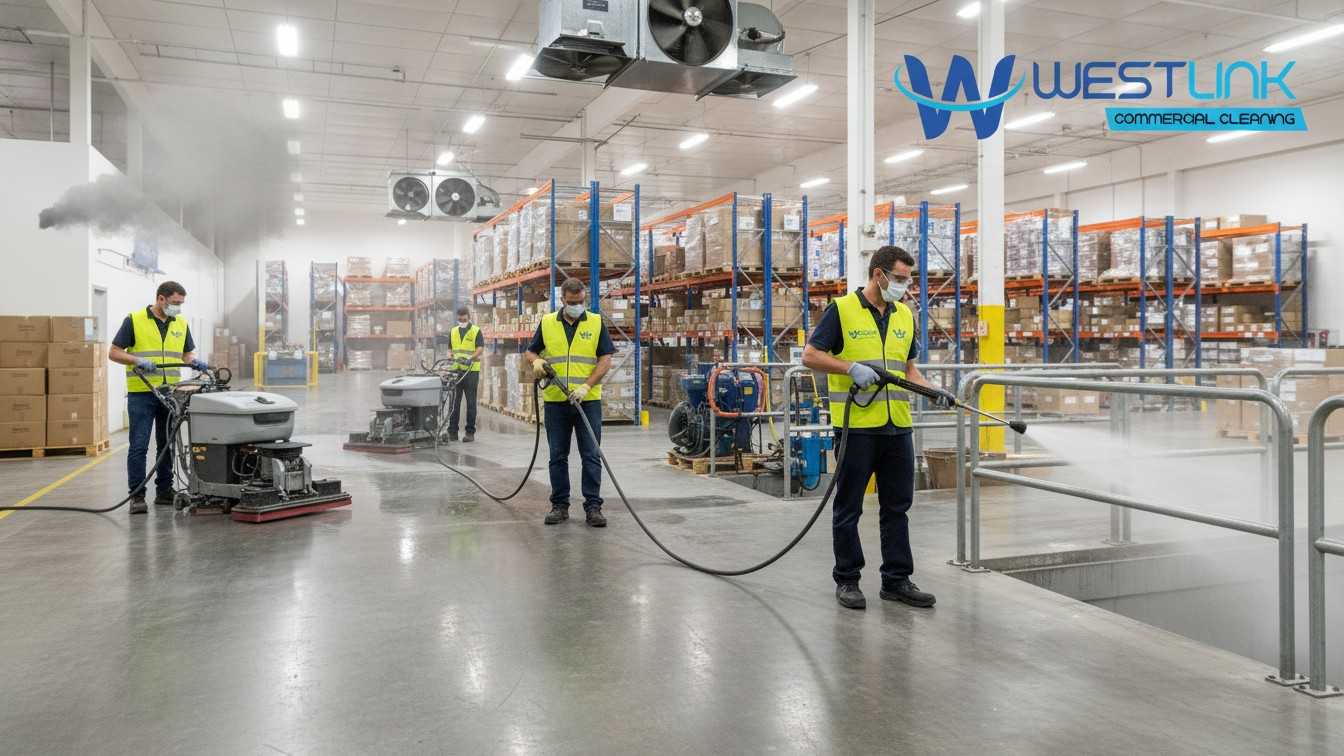
Warehouses naturally accumulate dust and debris faster than most industrial facilities. Factors such as pallet movement, forklift tires, stored goods shedding particles, packaging materials, and open loading docks contribute to airborne contaminants that can impact both employee health and equipment performance. Implementing warehouse pressure cleaning reduces dust, improves air quality, and creates a cleaner, safer, and more efficient environment.
How Pressure Cleaning Improves Warehouse Air Quality?
Pressure cleaning removes dust from racks, beams, ceilings, and walls, clears debris from vents and ventilation systems, prevents mold, mildew, and bacterial growth, and improves overall warehouse airflow and ventilation. This reduces respiratory hazards, minimizes sick leaves, and boosts employee productivity.
What are the BENEFITS?
Include reducing allergens, improving HVAC efficiency, keeping automated sensors and equipment dust-free, and supporting warehouses using robotics or automated systems, ensuring smooth operation.
Maintaining clean air in a warehouse enhances employee health, equipment longevity, and operational performance, making industrial pressure cleaning an essential part of modern facility management.
Enhances Warehouse Appearance & Professionalism
A clean and well-maintained warehouse instantly creates a positive impression on clients, stakeholders, investors, auditors, partners, and employees. Beyond hygiene and safety, the visual appeal of a warehouse signals operational excellence and a commitment to quality, directly impacting business relationships and long-term success.
Why Warehouse Appearance Matters?
A well-maintained warehouse reflects operational quality, builds client trust in product handling and storage, and enhances brand reputation by positioning the company as reliable and customer-focused. Clean facilities improve audit impressions, demonstrate regulatory compliance, and boost the rental or resale value of the property.
Warehouse appearance also directly affects client retention and contract negotiations, particularly for 3PL warehouses and distribution centers, where professionalism is a key factor in agreements. A clean, organized, and visually appealing warehouse not only supports employee morale and safety but also strengthens the company’s brand image and business opportunities.
Prevents Pest Issues in Warehouses
Warehouses, especially those handling food, packaging materials, and bulk inventory, are highly susceptible to pests. Food residue, dust, moisture, and debris attract rodents, cockroaches, insects, and even birds in high-ceiling areas, creating contamination risks and potential operational disruptions. Implementing warehouse pressure cleaning removes these attractants by eliminating food particles, debris, and nesting spots, significantly reducing pest activity.
Benefits of Warehouse Pest Prevention
Proactive pressure cleaning helps reduce contamination risks, keeps products safe, and maintains quality standards. It minimizes inventory damage, lowers fumigation and pest control costs, and maintains hygiene in food-grade storage areas to ensure regulatory compliance, as discussed in resources from the Centers for Disease Control and Prevention. Additionally, it protects packing materials and equipment from pest-related damage, supporting overall warehouse safety and operational efficiency.
Prepares Warehouse Surfaces for Painting, Coating & Repairs
Before applying epoxy floor coatings, floor paint, sealants, or protective layers, proper warehouse surface preparation is essential. Industrial pressure cleaning removes dirt, grease, oils, and debris from floors, walls, and equipment, creating the ideal foundation for coatings and repairs. This ensures better adhesion, smoother finishes, longer-lasting coatings, prevents cracks and surface imperfections, and improves the durability of floors, walls, and protective layers.
Supports Warehouse Sustainability & Eco-Friendly Operations
Modern warehouses are increasingly adopting eco-friendly practices, and industrial pressure cleaning supports this shift using biodegradable detergents, water-efficient systems, and wastewater recovery solutions. These methods maintain a clean, safe environment while reducing the warehouse’s environmental footprint.
Eco-Friendly Benefits of Warehouse Pressure Cleaning
- Reduces chemical waste, preventing harm to the environment.
- Lowers overall environmental impact, conserving water and minimizing runoff.
- Supports green certifications, demonstrating commitment to sustainable operations.
- Minimizes pollutants entering drainage systems, protecting local water sources.
- Helps warehouses achieve sustainability goals, aligning with modern environmental standards and corporate responsibility initiatives.
Extends Lifespan of Warehouse Equipment & Machinery
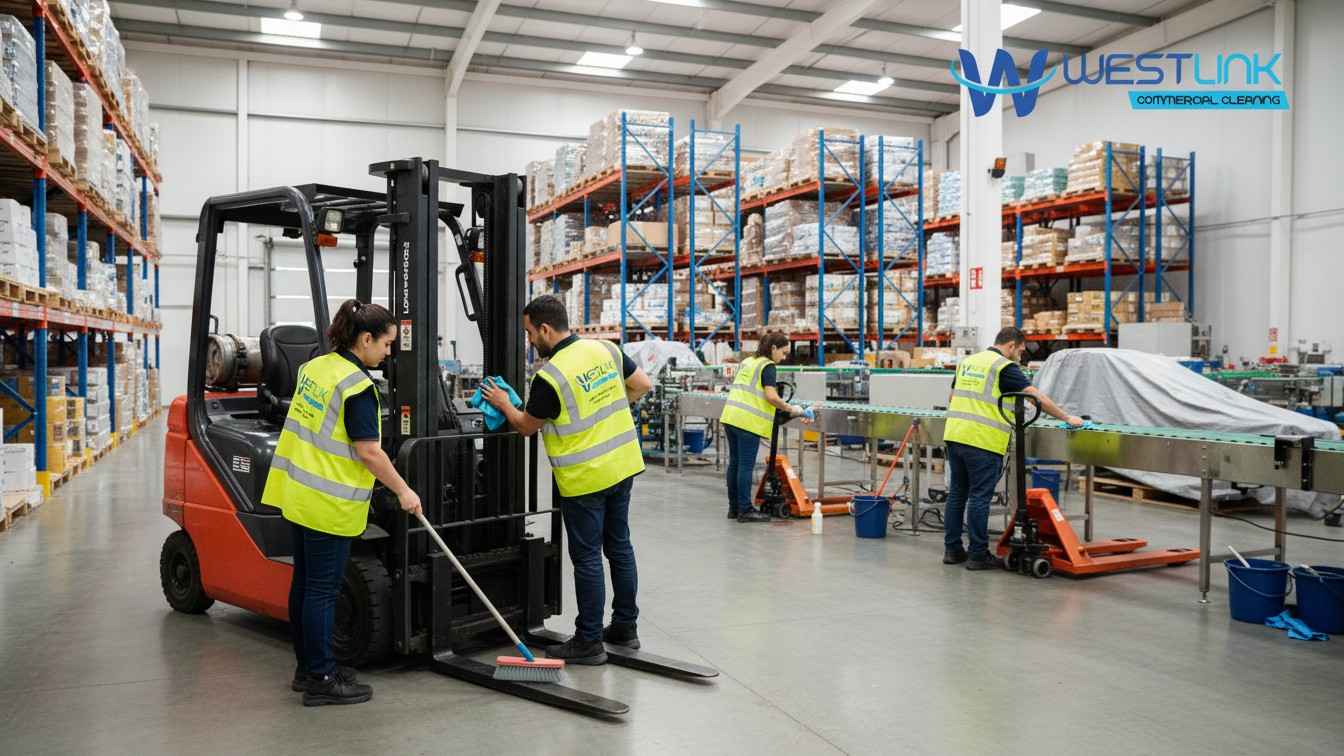
Warehouse machinery and equipment are highly vulnerable to dust, grime, grease, and chemical residues, which reduce efficiency, cause breakdowns, and shorten lifespan. Warehouse pressure cleaning removes these harmful contaminants, protecting valuable investments and ensuring machinery operates reliably. It prevents rust and corrosion, keeps conveyor belts, rollers, and packaging machinery dust-free, improves airflow in generators, fans, and HVAC systems, and reduces downtime from clogging or residue buildup. A clean warehouse environment safeguards expensive equipment while maintaining operational efficiency and minimizing costly repairs.
Increases Warehouse Productivity & Overall Performance
All the benefits of warehouse pressure cleaning, from safety and air quality to equipment protection and regulatory compliance, contribute to a warehouse operating at maximum capacity and efficiency. Performance improvements include faster goods turnover, reduced operational delays, higher workforce productivity, lower maintenance interruptions, more efficient equipment operations, enhanced safety culture, improved client satisfaction, and lower overall operational costs. Pressure cleaning is not just cleaning it is a strategic performance optimization tool that boosts efficiency, safety, and profitability across the entire warehouse.
Conclusion
Whether it’s warehouse safety, operational efficiency, maintenance cost reduction, regulatory compliance, employee morale, indoor air quality, or equipment protection, industrial pressure cleaning directly enhances performance across every department. This powerful yet often underrated solution helps reduce risks, boost productivity, lower long-term costs, improve compliance, protect inventory, strengthen brand reputation, and enhance client trust. A clean warehouse is inherently a high-performing warehouse, and pressure cleaning provides the deepest, fastest, and most effective way to achieve a safer, more efficient, and profitable facility. Ready to experience these benefits for your warehouse? Get a quote today and take the first step toward a cleaner, safer, and more efficient facility.
Frequently Asked Questions
What is warehouse pressure cleaning?
Warehouse pressure cleaning uses high-pressure water, steam, or eco-friendly detergents to remove dirt, grease, dust, and contaminants. It ensures surfaces are thoroughly cleaned and ready for safe operations. This process is suitable for floors, walls, racks, and ceilings.
Why is pressure cleaning important for warehouses?
It enhances safety by reducing slip hazards and improves efficiency by maintaining clean equipment. Regular cleaning extends machinery lifespan and ensures compliance with health and safety standards. Clean environments also boost overall operational performance.
How often should a warehouse be pressure cleaned?
Frequency depends on warehouse activity and traffic. High-traffic areas may need monthly or quarterly cleaning, while occasional cleaning follows major spills or renovations. A tailored schedule ensures consistent cleanliness.
Can pressure cleaning prevent pest infestations?
Yes, it removes food residue, debris, and moisture that attract rodents, insects, and birds. Clean surfaces eliminate potential breeding grounds for pests. This helps maintain a hygienic warehouse environment.
Is pressure cleaning safe for machinery and equipment?
Professional pressure cleaning protects machinery by removing dust, grime, and corrosive substances. Proper techniques prevent damage to sensitive equipment. It ensures machines stay functional and efficient.
Does it help with regulatory compliance?
Absolutely. Pressure cleaning ensures warehouses meet health, safety, environmental, and industry-specific standards. Consistent cleaning supports audits and legal compliance.
Can pressure cleaning improve warehouse air quality?
Yes, it removes dust from racks, ceilings, vents, and walls. Cleaner air reduces respiratory hazards and improves HVAC efficiency. This creates a healthier workplace for employees.
Will it extend the life of floors and coatings?
Pressure cleaning prepares surfaces for painting, epoxy coatings, or repairs. It prevents cracks, peeling, and premature wear. Regular maintenance prolongs the durability of floors and coatings.
Is pressure cleaning environmentally friendly?
Modern methods use biodegradable detergents, water-efficient systems, and wastewater recovery. This minimizes environmental impact while maintaining high cleaning standards. It’s both effective and eco-conscious.
Does a clean warehouse improve employee productivity?
Yes, organized and safe spaces boost morale, focus, and efficiency. Workers can perform tasks faster and with fewer accidents. A clean environment enhances overall workforce performance.