Warehouse cleaning safety is more than a matter of aesthetics. A well-maintained warehouse ensures operational efficiency, reduces accidents, and protects the health of employees. Improper cleaning can create hazards such as slips, falls, chemical exposure, dust inhalation, and long-term respiratory issues. To maintain a safe environment, warehouses must adopt proper industrial cleaning protocols aligned with WHS compliance requirements. According to Safe Work Australia’s Model Code of Practice, employers are legally obligated to provide and maintain a work environment that is safe and without risks to health, including adequate cleaning and hygiene facilities. Compliance with these rules not only safeguards employees but also ensures smooth operations, minimizes liability, and supports overall productivity.
This guide explores the essential aspects of warehouse cleaning compliance, covering WHS responsibilities, risk identification, cleaning procedures, staff training, hazard management, and operational best practices.
What does WHS Mean and Its Importance in Warehouse Cleaning?
WHS most commonly stands for Work Health and Safety, which covers the laws, policies, and systems designed to protect the physical and psychological well-being of people in the workplace. It ensures that employees, contractors, and visitors can work in a safe environment, free from hazards and risks.
While Work Health and Safety is the primary meaning, WHS can also refer to other things in different contexts. For example, a World Heritage Site refers to locations protected for their cultural or natural significance. In other specific cases, it can mean warehouse stock or even Wobbly Hedgehog Syndrome in veterinary contexts.
Among these, workplace safety is the most important because it directly impacts people’s lives, helps prevent accidents, and ensures businesses operate legally and efficiently.
What are the WHS Responsibilities in Warehouse Cleaning?
Work Health and Safety (WHS) compliance requires warehouse managers and employers to actively ensure a safe and healthy working environment. In the context of warehouse cleaning, these responsibilities extend well beyond simply keeping floors clean. They include maintaining all areas of the warehouse free from hazards, such as aisles, shelving, racking systems, loading docks, and machinery, while ensuring that facilities such as washrooms, handwashing stations, and break areas are hygienic, accessible, and well-maintained. As outlined in the Model Code of Practice for Managing the Work Environment and Facilities, employers must provide adequate ventilation and uncontaminated air circulation to support these hygiene standards, preventing contamination, protecting staff welfare, and supporting operational efficiency.
Importance of Cleaning Risk Management
A cornerstone of cleaning risk management is the systematic identification and control of hazards. Managers must assess the likelihood and potential severity of incidents and implement controls using a structured approach. This typically follows the hierarchy of risk management, which includes:
- Elimination: Removing hazards entirely where possible, such as replacing damaged flooring or broken shelving.
- Substitution: Replacing hazardous chemicals with safer alternatives or automating high-risk cleaning tasks.
- Engineering controls: Implementing physical measures such as improved ventilation, mechanized cleaning equipment, or slip-resistant flooring.
- Administrative controls: Establishing clear cleaning schedules, standard operating procedures (SOPs), and emergency response protocols.
- Personal Protective Equipment (PPE): Providing and monitoring the use of gloves, protective clothing, eyewear, and respiratory protection for cleaning staff.
The University of Texas at Austin’s Environmental Health and Safety guidelines emphasize that these steps are arranged from most to least effective, prioritizing removal of hazards over reliance on PPE alone.
Engaging employees is equally critical. Actively involving staff in hazard reporting, safety discussions, and daily cleaning routines not only enhances warehouse cleaning safety but also builds a culture of accountability and proactive risk prevention. Workers who are trained, informed, and empowered to participate in safety practices are more likely to follow procedures correctly and identify hazards before they escalate into accidents.
By systematically addressing hazards, providing proper training, and implementing controls at every level, warehouses can ensure compliance with WHS regulations, minimize workplace incidents, and maintain a safe, hygienic, and efficient environment.
Identifying and Managing Warehouse Hazards
Effective industrial cleaning protocols begin with identifying potential hazards before they lead to accidents. In warehouses, the most common risks include slips, trips, and falls, often caused by wet floors, spillages, cluttered walkways, or obstructed pathways. Improper manual handling can result in musculoskeletal injuries when staff lift or move heavy cleaning equipment without correct technique.
Chemical exposure is another significant concern. Many cleaning agents, degreasers, and disinfectants contain substances that can irritate the skin, eyes, or respiratory system if used incorrectly or without proper personal protective equipment (PPE). Additionally, dust and airborne contaminants can accumulate in warehouse environments, posing long-term respiratory risks and contributing to workplace illnesses if not managed properly.
Environmental and Operational Risks
Hazards in warehouses are not limited to cleaning chemicals or manual handling. Workspace design and operational factors also play a major role in safety. Narrow aisles, poorly lit areas, poorly maintained flooring, and obstructed exits can all increase the risk of accidents. Inefficient or inconsistent cleaning methods, such as leaving residues or ignoring hard-to-reach areas, can further exacerbate these hazards.
Implementing Risk Management
Structured cleaning risk management strategies are essential to reduce these risks and maintain WHS compliance. Key approaches include:
- Hazard identification: Regularly inspect floors, shelving, equipment, and work areas to detect potential risks.
- Risk assessment: Evaluate the likelihood and severity of each hazard to prioritize mitigation efforts.
- Control measures: Apply the hierarchy of controls, starting with elimination, substitution, engineering solutions, administrative policies, and PPE.
- Staff training: Educate employees on safe cleaning practices, chemical handling, manual lifting techniques, and emergency procedures.
- Monitoring and feedback: Encourage employees to report hazards and continuously review cleaning processes for improvement.
By proactively identifying hazards and applying these warehouse cleaning safety measures, warehouses can protect employees, prevent accidents, and maintain a compliant, efficient, and healthy working environment.
Warehouse Cleaning Risk Management Strategies
Effective warehouse cleaning safety relies on a comprehensive and structured approach to risk management. A warehouse environment presents multiple hazards, from slips and trips to chemical exposure and manual handling injuries. Addressing these risks systematically ensures both employee safety and operational efficiency. Using the hierarchy of controls is central to reducing hazards, starting with elimination and moving through substitution, engineering, administrative measures, and personal protective equipment (PPE).
Applying the Hierarchy of Controls in Warehouse Cleaning
- The first step in warehouse cleaning risk management is hazard elimination wherever possible. This could include removing unsafe equipment, repairing damaged flooring, or redesigning hazardous work zones. When elimination isn’t feasible, substitution is used, such as replacing hazardous cleaning chemicals with safer alternatives or automating high-risk cleaning tasks to reduce human exposure.
- Engineering controls further enhance safety by modifying the warehouse environment. Improvements like optimized layouts for easier movement, enhanced ventilation systems to reduce dust and chemical fumes, and the use of mechanized cleaning equipment such as floor scrubbers and vacuum systems all contribute to accident prevention.
- Administrative controls complement these measures by introducing structured cleaning schedules, clearly defined standard operating procedures (SOPs), and robust emergency response protocols. These measures provide consistency, reduce human error, and ensure compliance with WHS standards.
Role of Staff Training and Personal Protective Equipment
- Staff training is a vital component of warehouse cleaning safety and WHS compliance. Employees must be trained in proper cleaning techniques, safe chemical handling, hazard identification, and correct use of PPE. Personal protective equipment, including gloves, eye protection, respiratory gear, and protective clothing, acts as the final layer of defense, safeguarding staff when other controls cannot eliminate risks entirely.
- Training programs should be ongoing, incorporating refresher sessions, updates on new cleaning chemicals, and guidance on handling emerging hazards. Encouraging staff to report risks and participate actively in safety practices strengthens a culture of accountability and proactive risk management within the warehouse.
Benefits of Effective Risk Management
Implementing structured cleaning risk management in warehouses results in numerous benefits. It reduces workplace accidents and injuries, ensures compliance with safety regulations, protects employee health, and improves operational efficiency. Well-managed risk controls also enhance staff confidence, maintain productivity, and minimize potential downtime due to accidents or safety incidents.
By systematically addressing hazards, employing the hierarchy of controls, and integrating training and PPE, warehouses can create a safe, compliant, and efficient cleaning program that protects both employees and operations.
Staff Training for Warehouse Cleaning Safety
A compliant warehouse cleaning program relies heavily on staff competence. Induction programs should familiarize new employees and contractors with warehouse cleaning safety standards, hazards, and protocols. According to Safe Work Australia, employers must assess tasks like lifting, pushing, and moving equipment to minimize risk, using measures such as task redesign, mechanical aids, and proper work procedures, rather than relying solely on training to ensure employees are updated on new chemicals, equipment, and operational risks. Manual handling techniques must be emphasized to prevent injuries when lifting, pushing, or moving cleaning equipment.
Chemical safety training ensures staff can read and interpret safety data sheets and handle substances correctly. Emergency response training equips employees to act swiftly in the event of spills or accidents, enhancing overall WHS compliance. Well-trained cleaning personnel are confident, effective, and significantly reduce workplace incidents.
Warehouse Cleaning Methods and Best Practices
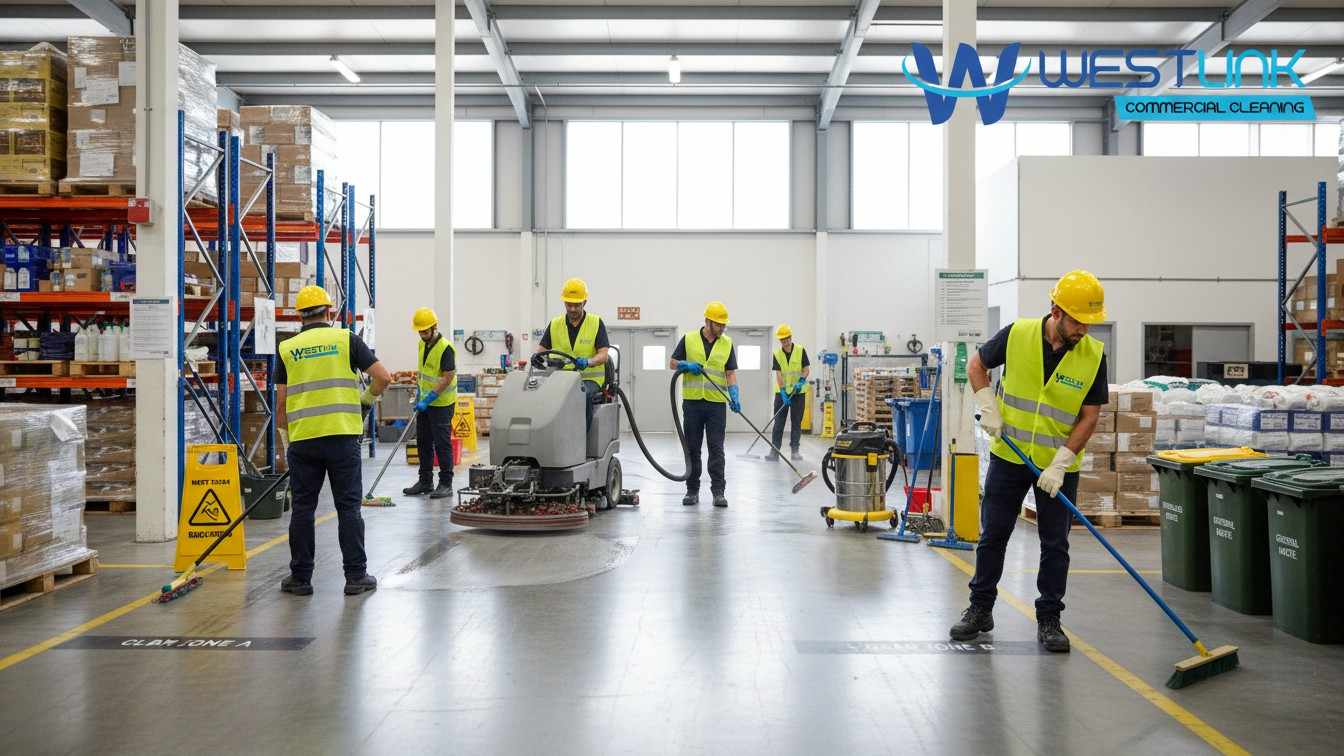
Proper cleaning procedures are central to industrial cleaning protocols. Daily cleaning routines for high-traffic areas, periodic deep cleaning of floors and machinery, and immediate attention to spills or contamination are essential. Using mechanized floor scrubbers, vacuums, and pressure washers reduces physical strain and improves efficiency.
Chemical management is crucial. Agents must be stored securely, clearly labeled, and used according to proper dilution and application methods. Wet floors should be dried promptly, and appropriate signage must be used to prevent slips. High-risk areas such as loading docks, aisles, shelving, and workstations require additional attention to maintain warehouse cleaning safety. Maintaining records of cleaning activities, hazard assessments, and incident reports ensures accountability and supports continuous improvement.
Monitoring Warehouse Cleaning Compliance
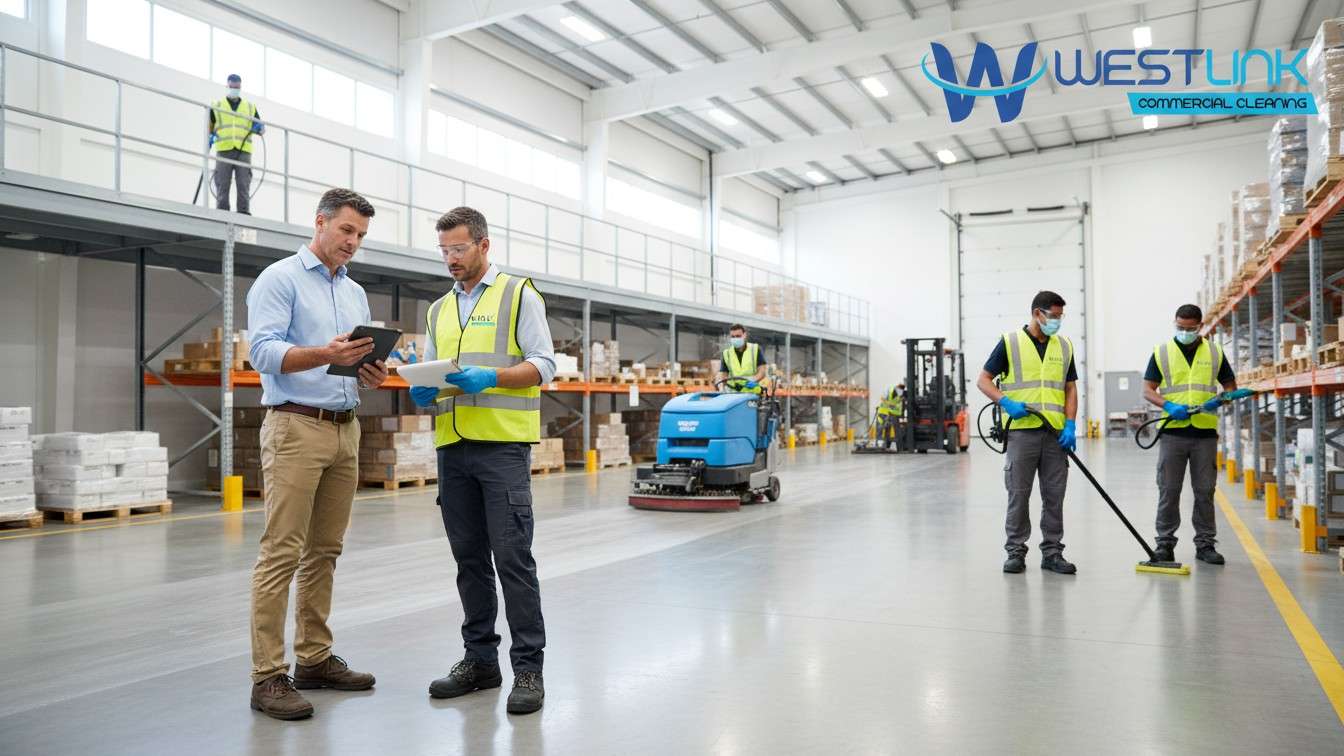
Maintaining WHS compliance requires ongoing monitoring. Routine inspections ensure cleaning processes are effective, chemicals are stored safely, and staff follow procedures. Safety audits evaluate adherence to industrial cleaning protocols, correct use of PPE, and operational safety standards. Worker feedback provides insight into potential hazards or areas needing improvement.
Incident investigations are essential to understand the root causes of accidents or near-misses, and the findings should inform updates to cleaning procedures. Continuous evaluation allows warehouses to adapt cleaning risk management practices as operations or staff change.
Managing Chemical and Airborne Hazards in Warehouses
Chemical and airborne hazards are among the most significant risks in warehouse cleaning safety. Improper handling of cleaning agents, degreasers, or disinfectants can lead to skin irritation, eye injuries, or respiratory problems. Dust accumulation and airborne particles also pose long-term health risks if not managed effectively.
To minimize these hazards, warehouses should implement the following practices:
- Safe chemical storage: Store chemicals in ventilated, secure areas and ensure all containers are clearly labeled.
- Proper handling: Staff must follow precise mixing, dilution, and usage instructions as outlined in safety data sheets (SDS).
- Spill response protocols: Maintain accessible spill kits and train staff to respond quickly to chemical spills or leaks.
- Ventilation and respiratory protection: Ensure adequate airflow and provide masks or respirators in dusty or chemical-prone areas.
Implementing these measures supports WHS compliance, protects staff health, and ensures that industrial cleaning protocols are carried out safely and efficiently.
Warehouse Design and Environmental Considerations for Cleaning
The design and layout of a warehouse directly impact cleaning efficiency and overall warehouse safety. Poorly designed spaces can increase the likelihood of slips, trips, and other incidents, while well-organized layouts make cleaning tasks more manageable and reduce hazards.
Key considerations include:
- Wide, unobstructed aisles: Allow safe movement of cleaning equipment and staff.
- Adequate lighting: Improves visibility in work areas, reducing accident risks.
- Ventilation: Prevents the buildup of dust, fumes, and chemical vapors.
- Accessible facilities: Restrooms, handwashing stations, and break areas must be hygienic and easy to reach.
- Emergency preparedness: Fire evacuation plans, spill response procedures, and first aid stations should include cleaning staff in training and drills.
A thoughtful warehouse layout combined with proper environmental measures ensures safer and more effective cleaning operations, while supporting warehouse cleaning safety standards.
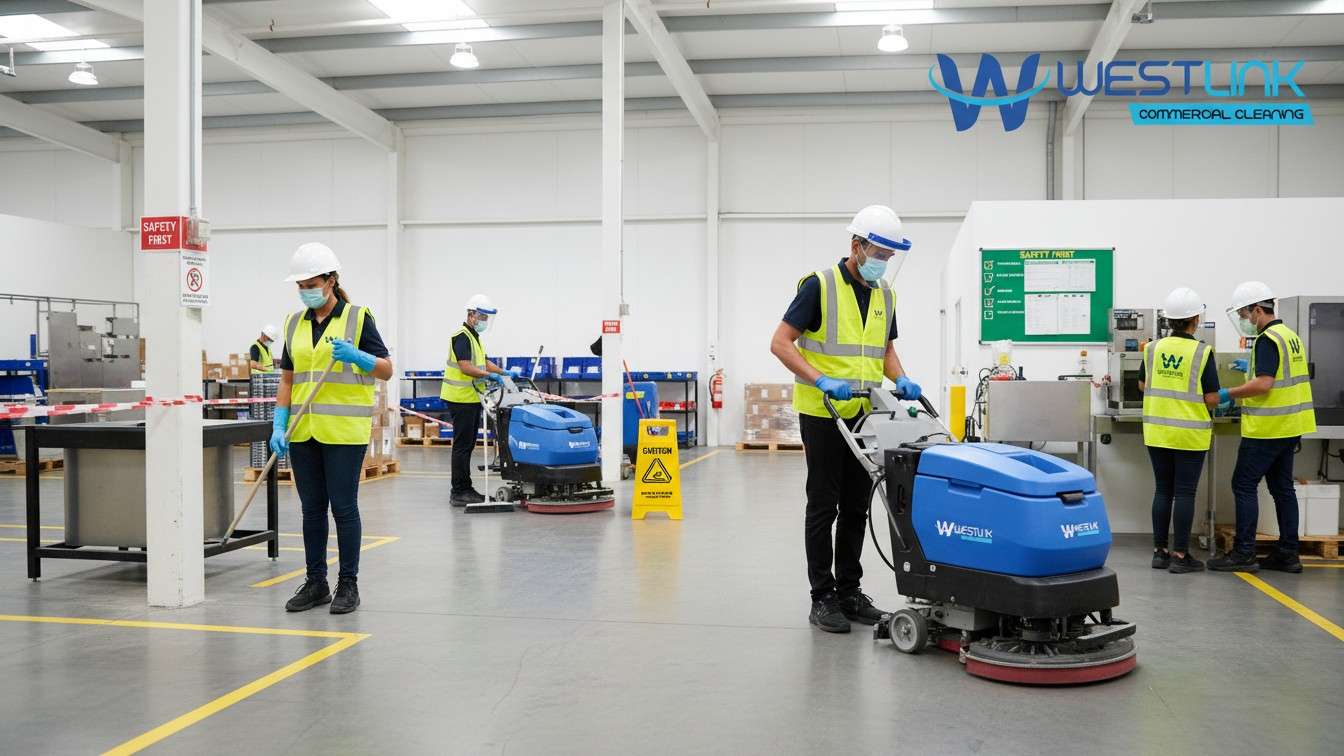
Managing External Cleaning Teams in Warehouses
Many warehouses rely on external contractors to maintain hygiene standards. Even when cleaning is outsourced, WHS compliance and industrial cleaning protocols must be strictly enforced to prevent accidents and ensure consistent safety standards.
Best practices for managing external teams include:
- Site-specific induction: Contractors must understand warehouse hazards and site-specific safety rules.
- Clear contracts: Include safety obligations, reporting requirements, and adherence to warehouse cleaning procedures.
- Supervision and audits: Regularly monitor contractor performance to ensure compliance with safety protocols.
- Training and communication: Keep external staff informed about any operational changes, new chemicals, or updated cleaning procedures.
Proper management of external teams ensures that warehouse cleaning safety is maintained at the same level as in-house operations, reducing risks and supporting regulatory compliance.
Consequences of Non-Compliance in Warehouse Cleaning
Failing to maintain proper warehouse cleaning safety can result in serious consequences. Workplace accidents and injuries disrupt operations and reduce productivity. Regulatory breaches can lead to fines, penalties, or legal action, as explored in Safe Work NSW’s research on effective enforcement tools, which notes that non-compliance often stems from perceived low risks but results in substantial economic and legal repercussions. Inadequate cleaning can also compromise the condition of stored goods, increase insurance costs, and damage a company’s reputation. Maintaining robust cleaning procedures is essential for both employee safety and operational reliability.
Actionable Steps for Warehouse Cleaning Managers
Warehouse managers should begin by conducting hazard audits to identify high-risk areas. Developing detailed standard operating procedures for cleaning tasks, chemical handling, and emergency responses ensures consistent adherence to WHS compliance. Training staff regularly, providing proper PPE, and monitoring adherence to procedures are critical components of warehouse cleaning safety. Regular inspections, audits, and staff feedback enable continuous improvement, and updating cleaning protocols ensures warehouses remain safe and compliant despite operational changes.
Conclusion
Maintaining warehouse cleaning compliance is crucial for safety, efficiency, and operational excellence. By understanding WHS responsibilities, managing hazards, implementing structured cleaning protocols, training staff, and continuously monitoring performance, businesses can ensure a safe and productive environment. Partnering with experienced providers like Westlink Commercial Cleaning to invest in systematic cleaning practices demonstrates a strong commitment to employee welfare, regulatory compliance, and sustainable operations.
A clean, organized, and safe warehouse not only meets regulations but also enhances efficiency, reliability, and employee confidence, making warehouse cleaning safety an essential component of long-term operational success.
Frequently Asked Questions
What does WHS compliance really mean for warehouse cleaning?
WHS compliance in warehouse cleaning is all about creating a safe environment. It involves spotting potential risks before they cause accidents, providing proper staff training, and following a clear, step-by-step cleaning routine every time to ensure workplace safety.
How often should you actually clean a warehouse?
The cleaning frequency depends on activity levels and traffic. High-traffic areas require daily sweeping or mopping, while a thorough deep clean should be conducted weekly or monthly to maintain hygiene and operational efficiency.
What kind of safety gear do cleaners need in a warehouse?
Warehouse cleaners need the right personal protective equipment (PPE) for each task. This typically includes gloves, sturdy coveralls, safety goggles, and sometimes masks, depending on the chemicals used and the nature of the cleaning work.
How do you spot cleaning hazards in a warehouse?
Identifying hazards involves regular walk-throughs, quick risk checks, and encouraging staff to report spills, slippery surfaces, or unsafe conditions. Proactive monitoring helps prevent accidents before they happen.
What are the biggest cleaning dangers in warehouses?
Common warehouse cleaning hazards include slips on wet floors, trips over clutter, chemical burns or splashes, dust inhalation, and back injuries from improper lifting. Recognizing these risks is essential for safe operations.
How does smart risk management make warehouse cleaning safer?
Effective risk management follows a safety hierarchy: eliminate hazards when possible, replace dangerous tools or chemicals with safer alternatives, implement barriers or PPE, and train staff properly to reduce accidents.
Why bother training staff for warehouse cleaning?
Staff training ensures that employees follow safe procedures, handle chemicals correctly, and prevent minor issues from turning into serious injuries. Well-trained teams maintain a safer and more efficient workplace.
How should cleaning chemicals be handled and stored?
Cleaning chemicals should be securely stored, clearly labeled, and used according to their safety data sheets (SDS). Choosing the least harmful options that still achieve results further reduces workplace risks.
What do inspections do for warehouse cleaning compliance?
Regular inspections ensure cleaning standards are maintained, chemicals are safely stored, and WHS rules are followed. They are key to keeping the warehouse safe and compliant.
What happens if a warehouse ignores cleaning compliance?
Ignoring cleaning compliance can lead to more accidents, regulatory fines, operational disruptions, and increased insurance costs. Maintaining proper cleaning standards protects both employees and the business.