Maintaining exceptional hygiene standards is fundamental to hotel operations and guest satisfaction. While housekeeping teams focus considerable attention on linens, bathrooms, and food service areas, carpets present throughout lobbies, corridors, guest rooms, and meeting spaces play an equally critical yet often overlooked role in maintaining health, comfort, and the hotel’s reputation.
Carpets function as large-scale air filters, continuously trapping dust, allergens, pollutants, and microbial matter from both foot traffic and the air itself. This makes regular professional carpet cleaning far more than an aesthetic concern it’s a fundamental component of hygiene protocols, indoor air quality management, and guest safety.
This comprehensive guide explores why carpet cleaning is essential for hotels, examines research on carpet contamination and indoor air quality, addresses the unique challenges hotels face in carpet maintenance, analyzes different carpet materials and their cleaning requirements, outlines professional cleaning techniques including eco-friendly practices, and provides practical schedules and recommendations for housekeeping teams committed to maintaining healthy, welcoming, and hygienic carpeted spaces.
Why Carpet Cleaning Matters for Hotel Hygiene
Carpets serve a dual purpose in hotels: they enhance aesthetic appeal while simultaneously acting as passive air filtration systems. Every day, hotel carpets capture countless particles from foot traffic and ambient air, gradually accumulating contaminants that can impact both guest health and comfort if not properly maintained.
1. Enhancing Guest Experience
Carpets contribute significantly to the ambiance of hotel spaces, providing warmth, comfort, and style. A clean carpet creates an immediate sense of care and professionalism, positively influencing guest perceptions from the moment they enter a room or lobby.
2. Acting as Passive Air Filters
Beyond aesthetics, carpets function as passive air filtration systems. They trap dust, allergens, pollen, skin flakes, and other particles carried in by foot traffic and ambient air. Over time, these contaminants accumulate deep within the fibers, creating potential health hazards if left unchecked.
3. Maintaining Indoor Air Quality and Health
Dirty carpets can harbor bacteria, mold spores, and odors, negatively impacting indoor air quality. Regular cleaning reduces the risk of allergic reactions and respiratory issues among guests, ensuring a healthier environment for everyone.
4. Extending Carpet Life and Reducing Costs
Routine vacuuming, periodic deep cleaning, and professional hot-water extraction not only maintain hygiene but also prolong the carpet’s lifespan. Well-maintained carpets retain their appearance longer, reducing the need for costly replacements and repairs.
5. Upholding Hotel Standards
In the hospitality industry, cleanliness is non-negotiable. Clean carpets reflect a hotel’s commitment to guest comfort, safety, and overall satisfaction, reinforcing trust and encouraging repeat visits.
Key Benefits of Regular Carpet Cleaning
1. Reduces Allergens and Microbes
Dust mites, pollen, bacteria, and fungi accumulate within carpet fibers over time. Regular professional cleaning removes these contaminants, significantly reducing the potential for allergic reactions and minimizing the spread of pathogens among guests and staff.
2. Prevents Odors and Stains
Food particles, spilled beverages, body oils, and tracked-in dirt create conditions for unpleasant odors and permanent discoloration. Professional cleaning treatments keep carpets fresh and inviting, directly contributing to positive first impressions and overall guest comfort.
3. Extends Carpet Lifespan
Embedded dirt and debris act like abrasive particles, wearing down carpet fibers with every footstep. Regular deep cleaning removes these damaging materials, preventing premature deterioration and reducing the frequency of costly carpet replacement projects.
4. Maintains Positive Guest Experience
Clean, well-maintained carpets significantly influence guest perceptions of quality and attention to detail. These impressions directly affect online reviews, guest satisfaction scores, and likelihood of repeat bookings—making carpet care an investment in reputation management.
5. Supports Comprehensive Hygiene Standards
In high-traffic areas such as lobbies, corridors, and conference facilities, carpet hygiene integrates with broader sanitation protocols including surface disinfection, linen management, and bathroom maintenance to create a holistically clean environment.
6. Improves Indoor Air Quality
Perhaps most importantly, carpets continuously trap airborne contaminants from constant foot traffic. While this filtering function is beneficial, accumulated particles eventually become sources of poor air quality themselves. Regular professional cleaning removes these trapped pollutants, preventing them from recirculating into the air and reducing respiratory complaints and allergy-related issues among both guests and employees.
Hotel Carpet Materials and Their Cleaning Requirements
Selecting appropriate carpet materials is crucial for hotels, as different fibers perform differently under heavy traffic, respond to various cleaning methods, and require specific maintenance approaches. Understanding these characteristics helps hotel managers make informed decisions that balance durability, appearance, hygiene, and long-term cost efficiency.
Common Hotel Carpet Fiber Types
1. Nylon
Nylon remains the most popular choice for commercial hotel applications due to its exceptional performance characteristics.
- Durability: Highly resilient and maintains appearance even under extreme foot traffic, making it ideal for lobbies, main corridors, and conference spaces
- Cleaning Compatibility: Withstands heat and mechanical agitation well, compatible with virtually all professional cleaning methods including hot water extraction
- Maintenance Considerations: Readily absorbs dyes, so professional stain protection treatments are recommended to maintain appearance throughout its lifespan
- Best Use: High-traffic public areas, corridors, conference rooms
2. Polyester
Polyester offers aesthetic advantages and moderate performance for appropriate applications.
- Durability: Less resilient than nylon; prone to flattening in areas experiencing heavy continuous traffic
- Cleaning Characteristics: Naturally stain resistant and colorfast; however, low moisture absorption affects how cleaning solutions penetrate fibers, requiring adjusted techniques
- Maintenance Considerations: Works best with low-moisture cleaning methods
- Best Use: Guest rooms, lower-traffic areas where comfort and appearance take priority over extreme durability
3. Olefin (Polypropylene)
Olefin provides specific advantages for moisture-prone environments.
- Durability: Naturally moisture- and stain-resistant though less durable than nylon under sustained heavy traffic
- Cleaning Characteristics: Excellent resistance to mold and mildew due to minimal water absorption; however, oily soils require specialized cleaning treatments
- Maintenance Considerations: Ideal for areas with potential moisture exposure
- Best Use: Basement levels, conference areas, commercial sections with moderate traffic, pool areas
4. Wool
Wool represents the premium choice for luxury hotel environments.
- Durability: Natural fiber with excellent appearance retention, resilience, and luxurious feel
- Cleaning Requirements: Sensitive to high-pH cleaning agents, excessive heat, and aggressive mechanical agitation; requires specialized wool-safe professional cleaning protocols
- Maintenance Considerations: Higher maintenance requirements and costs; requires professional expertise
- Best Use: Premium suites, luxury lobbies, boutique hotel spaces prioritizing elegance and guest experience
5. Triexta
Triexta is a newer synthetic fiber gaining popularity in hospitality applications.
- Durability: Combines durability with inherent stain resistance
- Cleaning Compatibility: Works well with neutral pH cleaning solutions and moderate heat, offering low maintenance while maintaining longevity
- Maintenance Considerations: Requires less intensive care than many alternatives
- Best Use: Guest rooms, medium-traffic areas where hotels need durable performance without intensive upkeep
6. Natural Fibers (Jute, Sisal, Seagrass)
Natural plant-based fibers serve specialized decorative purposes.
- Durability: Absorb moisture readily; prone to shrinkage, discoloration, and deterioration when exposed to excessive water
- Cleaning Requirements: Require low-moisture, gentle cleaning techniques to prevent structural damage
- Maintenance Considerations: Not suitable for standard hotel cleaning protocols
- Best Use: Decorative or accent installations in boutique hotels, specialty suites, or protected lobby areas rather than functional high-traffic zones
Carpet Pile Construction Considerations
The construction method significantly affects both aesthetic appeal and practical performance:
1. Cut Pile
Fibers are cut at the top, creating a soft, plush surface texture. This construction provides luxurious feel and appearance, making it popular in guest rooms and suites. However, cut pile shows footprints and vacuum marks more readily and requires more frequent maintenance in high-traffic applications.
2. Loop Pile
Fibers form continuous loops, creating a more durable surface highly resistant to crushing and matting. This construction type performs exceptionally well in corridors and public areas experiencing heavy foot traffic. Loop pile also hides dirt more effectively between cleanings.
3. Cut-and-Loop (Pattern Pile)
This construction combines both cut and looped fibers to create visual patterns and varied textures. It offers balanced performance, providing reasonable durability while maintaining aesthetic interest. The varied height effectively hides soil and traffic patterns, making it suitable for areas requiring both appearance and performance.
Understanding both fiber type and pile construction enables hotel managers and maintenance teams to select carpets that not only enhance visual appeal but also withstand operational demands, simplify cleaning protocols, and support hygienic environments for guests.
Key Challenges in Hotel Carpet Maintenance
Despite clear evidence supporting regular carpet maintenance, hotels face several operational and technical challenges in implementing effective programs.
1.Intense and Continuous Foot Traffic
Hotel lobbies, corridors, banquet halls, and public spaces experience constant use throughout operating hours. This continuous traffic rapidly accumulates dirt, moisture from weather, accidental spills, and mechanical wear—all of which accelerate soil buildup and fiber degradation.
2.Diverse Carpet Materials and Constructions
Hotels typically install various carpet types throughout different areas, each with specific fiber content, backing materials, and pile constructions. Each variation requires tailored cleaning approaches. Using incorrect methods or products can damage fibers, degrade backing adhesives, shorten carpet lifespan, or leave problematic residues that attract additional soiling.
3.Hidden Contaminants Below Surface Level
Soil, allergens, dust mites, bacteria, and other microorganisms embed deep within carpet pile and backing materials—far beyond the reach of routine surface vacuuming. Only thorough deep cleaning methods can effectively remove these hidden health hazards.
4.Moisture Management and Drying Requirements
Especially in humid climates or when working with older carpet backing materials, excessive moisture from cleaning can penetrate to the padding or subflooring, creating conditions for mold and mildew growth. Proper extraction techniques, adequate drying time, humidity control, and sometimes supplemental air circulation are critical.
5.Operational Scheduling Constraints
Hotels operate continuously, with many properties maintaining 24/7 operations. Carpet cleaning must minimize disruption to guests, accommodate tight housekeeping schedules, and ensure rooms are ready for new occupants on schedule. This often requires working during night hours, coordinating around events, or cleaning sections progressively.
6.Cost and Resource Allocation
Professional carpet cleaning requires investment in equipment, training, and either staff time or contractor services. Hotels must balance these costs against other operational priorities while maintaining quality standards that protect both guest experience and long-term property value.
7.Training and Quality Control
Effective carpet maintenance requires trained personnel who understand different fiber types, appropriate cleaning chemistry, proper equipment operation, and moisture management. Maintaining consistent quality across different shifts, staff turnover, and multiple property locations presents ongoing challenges.
Recognizing and systematically addressing these challenges is essential to developing sustainable effective carpet maintenance programs that truly support hotel hygiene and guest satisfaction.
Professional Carpet Cleaning Methods for Hotels and When to Use Them
Different cleaning methods serve different purposes, and understanding their appropriate applications helps hotels develop comprehensive maintenance programs.
Hot Water Extraction (Steam Cleaning / Deep Cleaning)
This method represents the gold standard for thorough carpet cleaning in most applications.
Process: Hot water mixed with cleaning detergent is injected deep into carpet fibers under pressure while simultaneous powerful suction extracts the solution along with dissolved dirt, allergens, and contaminants.
Advantages:
- Most effective method for removing deeply embedded soil, allergens, dust mites, and microbial contaminants
- Works well on most synthetic fibers and many natural fibers when properly executed
- Removes odor-causing bacteria and organic materials
- Restores carpet appearance most effectively
Considerations:
- Requires longer drying time (typically 6-12 hours, longer in humid conditions)
- Improper technique or excessive moisture can damage certain backing types or create conditions for mold growth
- Requires careful attention to proper extraction and drying protocols
- May require temporary closure of cleaned areas
Best Applications: Guest rooms during turnover periods, periodic deep cleaning of public areas during low-occupancy periods, restoration cleaning for heavily soiled or odor-affected carpets
Low-Moisture / Interim Cleaning Methods
These methods enable more frequent cleaning with minimal operational disruption.
Encapsulation Cleaning
Process: Specialized polymer-based cleaning solutions are applied and mechanically worked into carpet fibers. As the solution dries, polymers crystallize around soil particles, which are then removed through subsequent vacuuming.
Advantages:
- Rapid drying (typically 30-60 minutes)
- No sticky residues that attract re-soiling
- Can be performed during business hours with minimal disruption
- Effective for maintaining appearance between deep cleanings
Considerations:
- Less effective on heavily soiled carpets or deep-set stains
- Works best as interim maintenance rather than primary cleaning method
- Requires thorough post-cleaning vacuuming for best results
Dry Compound / Powder Cleaning
Process: Specialized absorbent compounds or powders containing cleaning agents and solvents are spread over carpet, mechanically worked into fibers using brush machines, then vacuumed after dwelling period.
Advantages:
- Immediate usability after cleaning
- Effective on certain oil-based soils
- No water-related risks
Considerations:
- Limited effectiveness on deeply embedded soil
- Powder residue may remain if vacuuming is incomplete
- Less thorough than hot water extraction
Bonnet / Rotary Surface Cleaning
Process: Cleaning solution is lightly applied to carpet surface, then a rotating machine with absorbent pads buffs and cleans surface fibers while absorbing dissolved soil.
Advantages:
- Very quick drying
- Useful for maintaining appearance in high-visibility areas
- Minimal equipment requirements
Considerations:
- Only cleans surface fibers, leaving deep soil untouched
- Can actually push soil deeper into pile with repeated use
- Not suitable as primary cleaning method
Best Applications: High-traffic lobbies and corridors requiring frequent interim cleaning, areas that cannot be closed for extended drying periods, maintenance cleaning between scheduled deep cleaning sessions
Combined / Integrated Approach
Most successful hotel carpet maintenance programs utilize strategic combinations of methods:
- Daily/Weekly: HEPA–filtered vacuuming in all areas according to traffic levels
- Monthly/Quarterly: Low-moisture interim cleaning (encapsulation) in high-traffic public areas
- Semi-Annually/Annually: Hot water extraction deep cleaning in guest rooms and public spaces
- As Needed: Immediate spot cleaning for spills, targeted treatments for stains restorative cleaning for problem areas
This integrated approach balances hygiene effectiveness, carpet longevity, operational efficiency, and guest satisfaction while minimizing disruption to hotel operations.
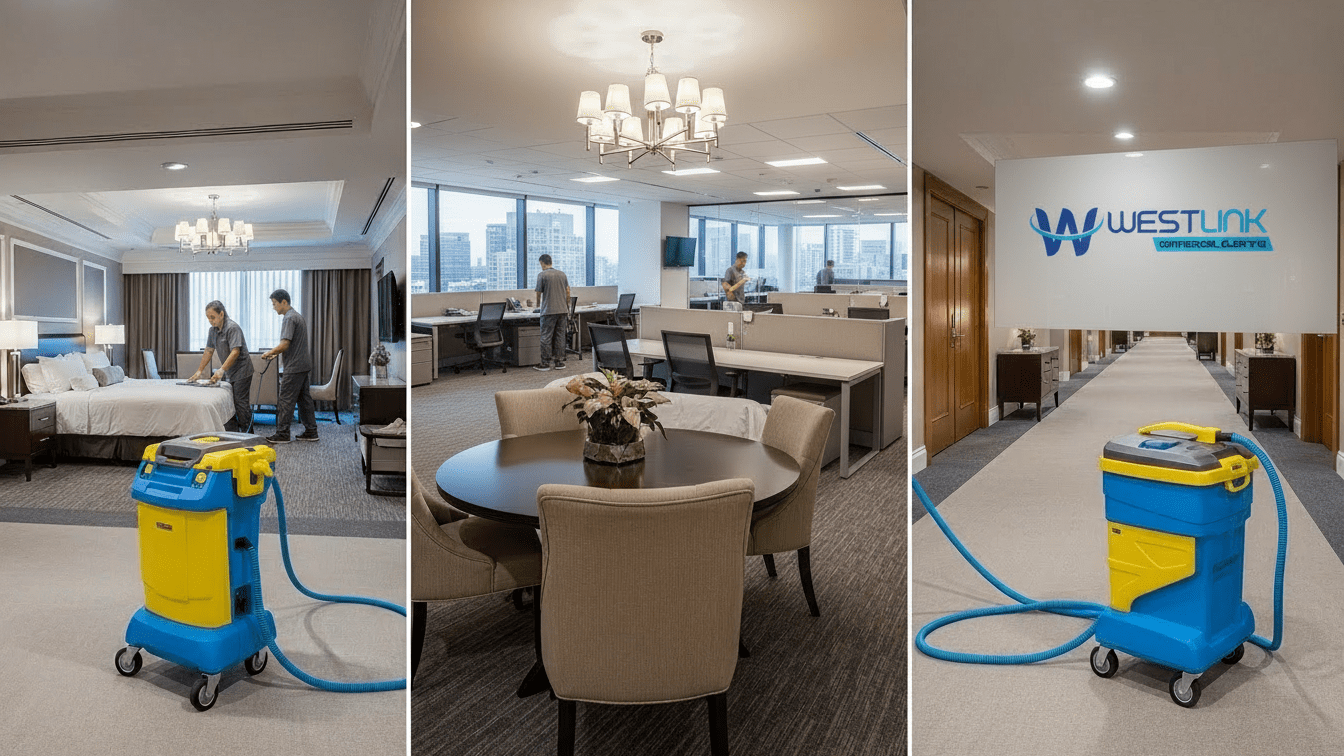
Keep hotel carpets spotless From deep cleaning to quick surface care, use the right method for each area to ensure cleanliness, minimal disruption and long lasting carpets.
Hotel Carpet Cleaning and Maintenance Schedule
A structured maintenance schedule ensures consistent hygiene standards while optimizing resource allocation.
| Area / Carpet Type | Vacuuming Frequency | Deep Cleaning Frequency | Additional Notes |
| Lobbies & Main Entrances | Daily with HEPA-filtered vacuum | Every 3-4 months (quarterly) using hot water extraction | Highest priority due to first impressions and maximum traffic exposure |
| Corridors / Guest Room Hallways | 3-5 times per week minimum | Every 6 months (semi-annually) | Adjust frequency based on occupancy levels and seasonal traffic |
| Guest Rooms | Daily before guest checkout, thorough weekly housekeeping | Quarterly or semi-annually, depending on occupancy rates and usage patterns | Consider more frequent cleaning for long-term stay rooms |
| Meeting Rooms / Ballrooms | Immediately after each event | Monthly, or more frequently if food and beverages are regularly served | Schedule based on event calendar and usage intensity |
| Restaurants & Dining Areas | Daily, multiple times if necessary | Monthly minimum due to food exposure and spill risk | May require specialized treatments for food and beverage stains |
| Back-of-House / Staff Areas | 2-3 times weekly | Annually or semi-annually | Don’t neglect employee areas; cleanliness affects morale and represents professionalism |
| Spills, Flooding, or Water Damage | N/A | Immediate spot cleaning; thorough deep cleaning if moisture penetrates to backing or padding | Address immediately to prevent permanent damage and microbial growth |
Additional Implementation Guidelines
Maintenance Documentation
Maintain detailed logs recording:
- Cleaning dates and times
- Methods and products used
- Areas treated
- Staff or contractor performing work
- Moisture levels and drying completion times
- Any observations regarding damage, wear, or persistent issues
This documentation supports quality control, helps identify problem areas requiring attention, and provides accountability for maintenance standards.
Regular Inspections
Conduct periodic systematic inspections to:
- Assess fiber wear patterns and carpet condition
- Identify areas requiring increased cleaning frequency
- Detect persistent odors suggesting deep contamination
- Determine when replacement becomes more cost-effective than continued cleaning
- Evaluate effectiveness of current cleaning protocols
Climate-Specific Adjustments
In humid environments like Karachi and other coastal or tropical locations:
- Increase drying time allowan00ces
- Use dehumidifiers during and after cleaning
- Monitor humidity levels continuously
- Consider more frequent low-moisture cleaning to reduce moisture exposure
- Inspect regularly for signs of mold or mildew development
- Ensure ventilation systems effectively manage indoor humidity
Guest Communication
When cleaning requires temporary area closure or creates temporary inconvenience:
- Provide advance notice when possible
- Post clear signage indicating cleaning in progress
- Offer alternative routes or facilities
- Ensure areas are completely dry and safe before reopening to guests
This comprehensive schedule balances guest comfort, operational efficiency, cost management, and hygiene standards, ensuring carpets throughout the property remain safe, clean, attractive, and supportive of positive guest experiences.
Why Professional Carpet Maintenance Is a Smart Investment for Hotels
Investing in regular professional carpet cleaning delivers measurable returns across multiple dimensions:
Guest Satisfaction and Revenue
Clean, fresh-smelling carpets contribute significantly to positive first impressions, directly influencing guest satisfaction scores, online reviews, and repeat booking rates. In an era where online reputation drives booking decisions, maintaining impeccable cleanliness standards including carpet care directly impacts revenue.
Property Value and Asset Protection
Carpeting represents a substantial capital investment. Regular professional maintenance extends carpet lifespan by years, deferring expensive replacement projects and protecting property value. The cost of routine cleaning is minimal compared to premature replacement expenses.
Health and Liability Risk Management
Maintaining healthy indoor environments reduces risks of guest complaints related to allergies, respiratory issues, or other health concerns. This proactive approach minimizes potential liability exposure and demonstrates commitment to guest welfare.
Operational Efficiency
Well-maintained carpets require less crisis intervention, reduce emergency cleaning demands, and support smoother daily operations. Established maintenance schedules enable better resource planning and budget predictability.
Brand Reputation and Market Positioning
Hotels that consistently maintain superior cleanliness standards, including carpet care, build strong reputations that support premium positioning and competitive advantage in crowded markets.
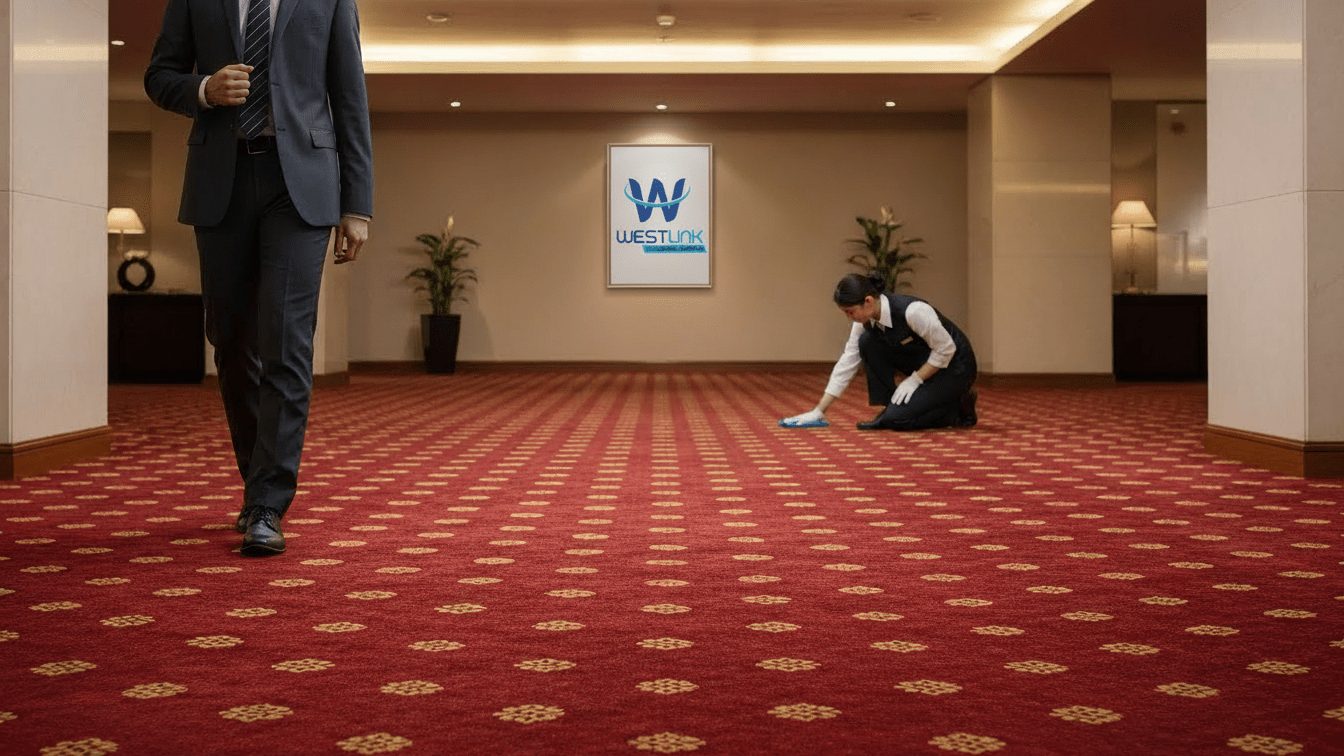
Professional carpet maintenance is not just cleaning it is a smart investment for hotels Keep carpets looking fresh extend their lifespan and create a lasting impression for every guest.
Conclusion
Carpets in hotel environments serve far more than decorative purposes they interact continuously with every guest and staff member while acting as massive environmental filters that capture dust, allergens, pollutants, and microbial contaminants. When neglected, carpets become sources of poor indoor air quality, unpleasant odors, and negative guest experience A comprehensive carpet maintenance program incorporating daily HEPA vacuuming, periodic low-moisture interim cleaning, and scheduled hot water extraction deep cleaning delivers multiple benefits: improved indoor air quality, enhanced guest satisfaction and comfort, extended carpet lifespan.
For hotel managers, housekeeping directors, and maintenance teams, professional carpet care represents not an expense but a strategic investment in guest experience, operational efficiency, and long-term property value. By implementing the evidence-based practices, schedules, and protocols outlined in this guide, hotels can ensure their carpeted spaces consistently support the high standards of hygiene, comfort, and trust that today’s guests expect and deserve.
Frequently Asked Questions
1.How often should hotel carpets be vacuumed?
Vacuuming frequency depends on traffic and area. High-traffic zones like lobbies and entrances should be vacuumed daily with HEPA-filtered vacuums. Corridors and hallways require vacuuming 3–5 times per week, guest rooms daily before checkout with a thorough weekly deep vacuuming, and meeting rooms after each event. Regular vacuuming prevents dirt from embedding, maintains appearance, and extends the time between deep cleanings.
2.How often should carpets undergo professional deep cleaning?
Professional deep cleaning with hot water extraction is recommended quarterly for high-traffic areas such as lobbies, semi-annually for corridors and public spaces, and quarterly or semi-annually for guest rooms depending on occupancy. All other areas should receive deep cleaning at least annually. Frequencies may need adjustment during high occupancy periods, seasonal factors, or heavy usage.
3.Why is proper drying critical after cleaning?
Proper drying is essential to prevent mold, mildew, and microbial growth, protect carpet backing, adhesives, and subflooring, and reduce rapid re-soiling. Carpets should be dried for at least 6–12 hours using adequate ventilation, humidity control, and supplemental dehumidification when necessary.
4.Are eco-friendly carpet cleaning methods effective?
Yes. Low-VOC and certified green cleaning products perform comparably to traditional chemicals, while hot water extraction using green-certified solutions remains highly effective. Low-moisture methods like encapsulation reduce water consumption and drying time. Green cleaning practices support LEED certification and appeal to environmentally conscious guests. Choose products certified by reputable organizations such as Green Seal, EPA Safer Choice, or the CRI Seal of Approval.
5.How can hotels prevent microbial growth in carpets?
Microbial growth can be minimized by maintaining indoor humidity between 40–60%, cleaning spills immediately, drying carpets thoroughly, using HEPA-filtered vacuums regularly, and performing periodic deep cleaning. Promptly addressing leaks or moisture infiltration and considering antimicrobial treatments in appropriate areas also helps maintain hygienic carpets.
5.How do carpet materials affect cleaning requirements?
Carpet fiber type and pile construction significantly affect maintenance. Synthetic fibers like nylon, polyester, and olefin are more resistant to moisture and tolerate a wide range of cleaning methods, while natural fibers such as wool require gentle, pH-neutral cleaning and longer drying times. Dense pile traps dirt and needs more frequent deep cleaning, loop pile is durable and hides soil but requires proper cleaning tools, and cut pile shows dirt more readily, requiring regular vacuuming. Understanding these characteristics ensures effective cleaning, protects carpet lifespan, and maintains hygiene standards.