Industrial carpet cleaning is a specialised service that focuses on maintaining high-traffic and heavy-use carpets in environments like warehouses, factories, manufacturing plants, and large commercial facilities. These carpets face constant exposure to dirt, dust, grease, oil, chemical spills, and machinery traffic, which makes standard cleaning methods ineffective.
Professional industrial cleaning uses heavy-duty equipment, industrial-grade cleaning agents, and advanced techniques to remove deeply embedded contaminants, improve hygiene, enhance safety, and prolong the lifespan of carpets. Regular cleaning in these settings is not just about appearance—it also ensures a safer and healthier work environment, protects expensive flooring investments, and helps facilities meet workplace safety and compliance standards.
Understanding Industrial Carpet Cleaning
Industrial carpet cleaning refers to a specialized cleaning process tailored for environments that experience intense wear, heavy soiling, and continuous activity. These include warehouses, factories, logistics centers, manufacturing plants, and large-scale industrial facilities where normal cleaning methods simply don’t work.
Unlike residential carpets, where dirt usually comes from regular foot traffic—industrial carpets are exposed to machinery, equipment wheels, oil, grease, chemicals, and large volumes of dust and debris. Because of this, the cleaning approach needs to be far more powerful and effective.
Industrial carpet cleaning relies on:
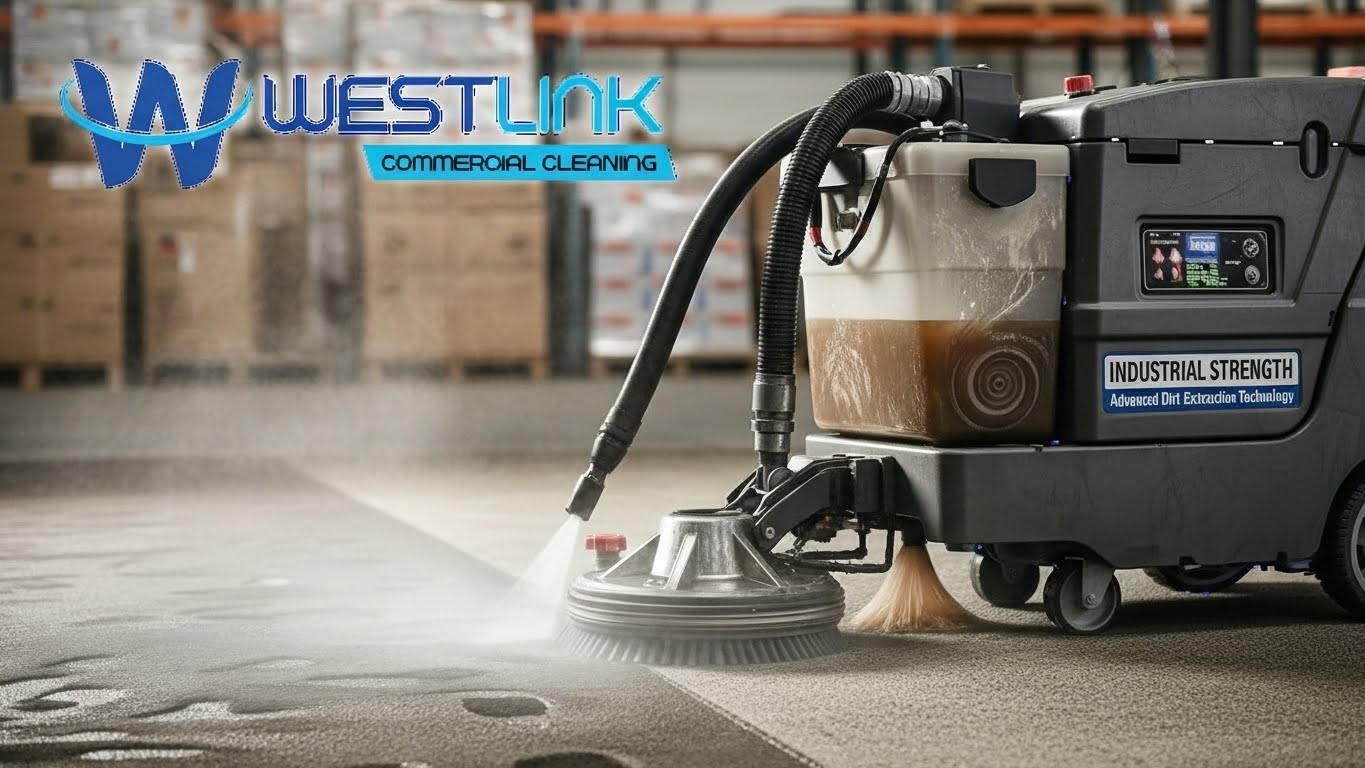
Industrial facilities use heavy-duty machines and industrial-strength solutions for deep extraction, while advanced techniques and high-capacity steam systems ensure thorough sanitization and removal of embedded contaminants.
This ensures carpets remain safe, hygienic, and functional even under extreme working conditions.
Key Reasons Industrial Carpets Require Deep Cleaning
Industrial carpets face unique challenges that make deep cleaning essential. Unlike residential or commercial office carpets, they are subjected to constant heavy use and harsh working conditions, which causes dirt and contaminants to accumulate rapidly. Regular cleaning is not enough to maintain hygiene, safety, and carpet longevity.
Harsh Working Conditions
Industrial carpets endure much heavier foot traffic than typical commercial or residential carpets. Workers often wear safety boots, which can grind dirt and debris deep into carpet fibres. In addition, machinery, trolleys, forklifts, and pallets constantly move across these surfaces, creating pressure and wear that make dirt embed more firmly. Over time, this continuous use leads to compacted grime that cannot be removed with standard cleaning methods.
Health & Safety Importance
Maintaining clean industrial carpets is critical for health and safety:
Industrial carpet cleaning removes embedded pollutants that can trigger allergies or respiratory issues and improves indoor air quality by reducing the circulation of dust and allergens. It also prevents slip and trip hazards caused by grease, oil, or moisture and supports WHS (Workplace Health & Safety) compliance, helping the facility meet legal and safety standards.
Overview of Industrial Carpet Cleaning Techniques
Industrial carpet cleaning requires specialised methods to tackle heavy soiling, embedded contaminants, and hygiene requirements. Professional cleaners select techniques based on the carpet type, level of dirt, operational needs, and safety standards. Here are the main methods used in industrial settings:
1. Hot Water Extraction (Steam Cleaning)
Hot water extraction, or steam cleaning, injects heated water and industrial-grade solutions deep into carpet fibers. Heat, detergent, and pressure break down dirt, grease, and oil, which are removed with high-powered vacuums. This method offers deep sanitisation, eliminating bacteria, allergens, and dust mites, and restores the carpet’s appearance. Drying time may be a consideration in 24/7 operations.
2. Dry Compound Cleaning
Dry compound cleaning uses absorbent compounds that encapsulate dirt particles, which are then vacuumed away. It requires minimal moisture, making it ideal for continuously operating facilities and areas with sensitive equipment. Best for light to moderate soil, it allows quick, frequent maintenance.
3. Encapsulation Cleaning
Encapsulation cleaning applies polymer-based solutions that crystallise around dirt and debris. Once dry, the carpet is vacuumed clean. It offers fast drying, is effective for routine maintenance, and reduces the need for frequent deep cleaning, but is less suited for heavily soiled carpets.
4. Low-Moisture Cleaning Systems
Low-moisture systems use minimal water with specialised pads to lift surface dirt. They allow rapid drying, ideal for 24/7 operations, and reduce mold or mildew risks, though they may not remove deeply embedded grime like hot water extraction.
How to Choose the Best Carpet Cleaning Method for Industrial Facilities
Choosing the most suitable carpet cleaning method for industrial environments is not a one-size-fits-all decision. Several key factors influence the selection process, ensuring the cleaning is effective, safe, and practical for the facility’s operations.
Carpet Material
The type of carpet plays a major role in deciding the cleaning method. Industrial carpets may be made from synthetic fibres like nylon or polypropylene, or from natural fibers such as wool blends.
- Synthetic fibres can often tolerate stronger cleaning agents and higher temperatures.
- Natural fibres or carpets with delicate backing require gentler cleaning methods to prevent shrinkage, discoloration, or fibre damage.
Additionally, moisture-sensitive carpets need low-moisture or dry cleaning systems to prevent water damage.
Type & Level of Soiling
The severity and type of contamination heavily influence the method chosen:
- Heavy grease, oil, and chemical residues typically require hot water extraction or steam cleaning.
- Moderate dust or surface dirt may be managed effectively with dry compound or encapsulation cleaning.
Understanding the contamination helps cleaners apply the most efficient and targeted cleaning method.
Industry Requirements
Different industrial sectors have specific hygiene, safety, and regulatory standards:
Different industries have specific cleaning requirements. Food processing plants need methods that sanitize surfaces and remove bacteria without leaving residues. Metal fabrication and manufacturing facilities require cleaning solutions that effectively handle metal shavings, oil, and chemical residues. Logistics and warehouse operations often prioritise fast-drying cleaning methods to minimise operational disruption and maintain workflow efficiency.
The cleaning method must align with the industry’s safety and hygiene expectations.
Operational Hours & Downtime
Many industrial facilities operate around the clock, requiring cleaning methods that minimise operational disruption. Low-moisture or dry cleaning techniques are ideal for areas that cannot afford downtime, while facilities with scheduled maintenance windows can use deep extraction or steam cleaning, even if longer drying times are needed. Selecting the right cleaning method ensures a balance between cleaning effectiveness and operational practicality.
Safety & Environmental Factors
Cleaning processes must comply with Work Health & Safety (WHS) regulations and consider environmental responsibility:
Proper ventilation in industrial facilities prevents chemical or moisture risks to workers and equipment. Using eco-friendly, biodegradable cleaning products minimizes chemical exposure and reduces environmental impact. Following safety protocols, including PPE use and proper training, prevents slips, accidents, and equipment damage, ensuring a safe working environment.
Common Contaminants Found in Industrial Carpets
Mechanical & Industrial Pollutants
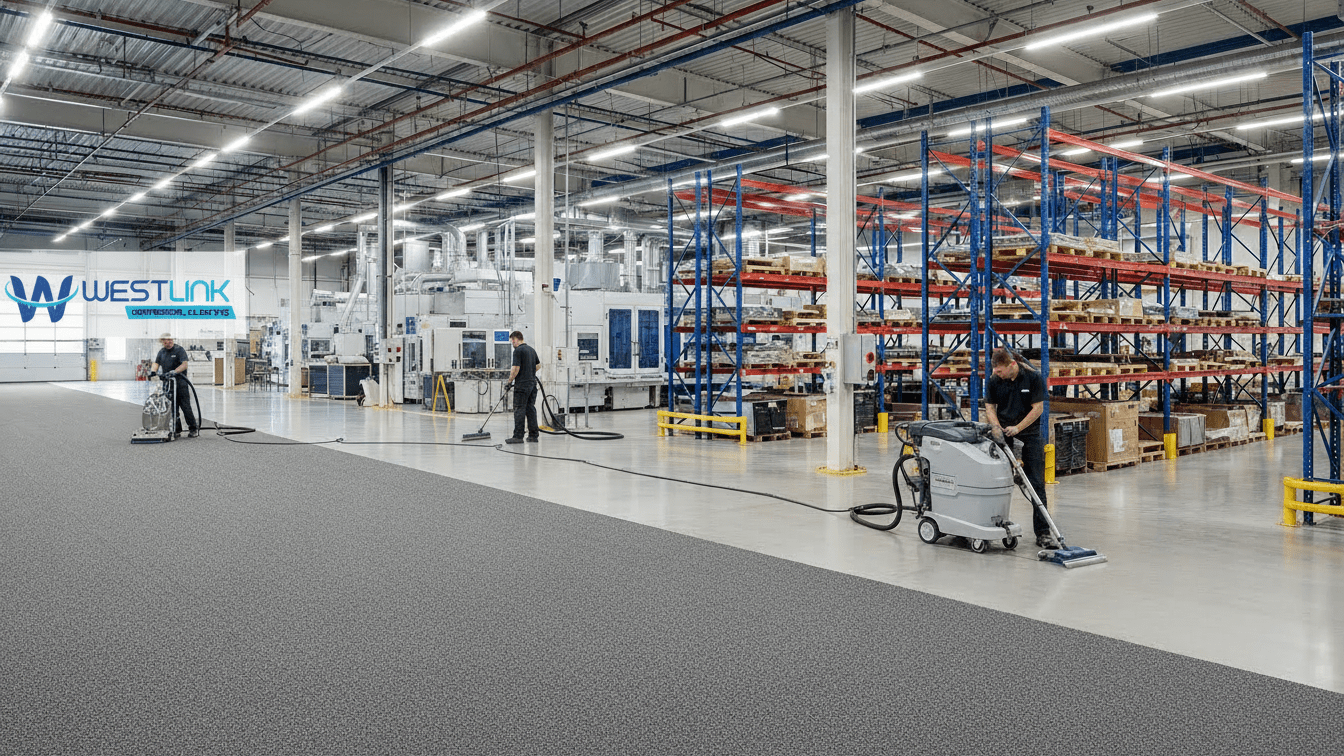
Industrial environments often generate contaminants directly from machinery and equipment. Oil and grease from machines, forklifts, or hydraulic systems, metal shavings from fabrication, cutting, or grinding processes, and chemical residues such as solvents, coolants, and cleaning agents can penetrate deep into carpet fibres, making them difficult to remove without professional-grade extraction.
Environmental & Workplace Debris
Carpets also collect debris brought in from outside or generated during facility operations. Dust, dirt, and mud are commonly tracked in by workers or vehicles, while road salt, especially in facilities near outdoor areas or in winter climates, can accumulate over time. Dust, dirt, and mud tracked in by workers or vehicles
- Road salt, especially in facilities near outdoor areas or in winter climates
- Construction debris and concrete dust from renovations or ongoing maintenance
This debris can abrade carpet fibres and reduce carpet lifespan if not removed regularly.
Biological & Organic Contaminants
Organic matter and microorganisms can thrive in industrial carpets, creating hygiene and safety concerns. organic residues from cafeterias or food processing zones can accumulate, while odour-causing microbes create unpleasant smells. Regular professional cleaning helps eliminate these bacteria and allergens, maintaining safe indoor air quality and a hygienic work environment for employees.
Industrial carpets can harbour various biological contaminants that affect hygiene, air quality, and workplace safety.
1. Bacteria from Spills and Damp Areas
Industrial carpets can accumulate bacteria from accidental spills, food particles, or damp areas. These microbes can pose health risks to employees and reduce overall workplace hygiene.
2. Mold Spores in Humid Environments
Mold spores thrive in areas with high humidity or poor ventilation. Their presence can compromise cleanliness, create unpleasant odors, and affect air quality.
3. Food Particles and Organic Residues
Carpets in cafeterias or food processing zones often trap leftover food particles and organic residues. These residues provide a breeding ground for bacteria and contribute to sanitation issues.
4. Odour-Causing Microbes
Odour-causing microbes develop from accumulated organic matter, spills, or damp conditions. Regular cleaning is essential to remove these microbes and maintain a fresh, hygienic workspace.
Regular professional cleaning helps eliminate bacteria and allergens, keeping indoor air quality safe for workers.
Advantages of Maintaining Clean Industrial Carpets
Health & Air Quality
Maintaining clean industrial carpets helps significantly improve indoor air quality by reducing the accumulation of dust, allergens, and other respiratory irritants. In high-traffic industrial environments, airborne particles can easily settle into carpet fibres. Regular professional cleaning removes these pollutants, creating a healthier workspace and reducing the risk of respiratory problems for employees.
Safety Benefits
Clean carpets play an important role in workplace safety. Removing embedded dirt, oil, grease, and moisture prevents slip and trip hazards. Additionally, regular cleaning reduces the spread of contaminants throughout the facility, helping maintain compliance with Work health and safety regulations. This proactive approach not only protects workers but also minimises liability risks for the facility.
Aesthetic & Professional Appearance
The appearance of industrial carpets reflects on the overall professionalism of a facility. Well-maintained, clean carpets contribute to a positive impression on clients, visitors, and employees, while also improving employee morale. A clean environment signals a commitment to high standards and operational excellence.
Extended Carpet Lifespan
Regular maintenance protects the carpet from abrasive wear caused by dirt, debris, and industrial contaminants. By removing particles that can damage fibres over time, professional cleaning extends the lifespan of the carpet, reducing replacement costs and protecting the investment in industrial flooring.
Recommended Carpet Cleaning Frequency for Industrial Facilities
Maintaining industrial carpets requires more than just the right cleaning techniques; it also depends on following the correct cleaning frequency. Different areas of a facility experience varying levels of foot traffic, machinery use, and industrial contamination, which makes a structured cleaning schedule essential. A proper cleaning routine helps prevent dirt and contaminants, protects carpet fibers, improves indoor air quality, and ensures a safe and professional working environment.
High-Traffic Zones
High-traffic zones such as entrances, hallways, break rooms, and loading docks are prone to dirt, grime, and wear due to constant employee movement and operation of industrial equipment. These areas should be cleaned weekly or bi-weekly to maintain optimal hygiene. Regular cleaning in these zones prevents debris accumulation that could compromise worker safety or equipment efficiency. It also ensures a professional environment for employees and visitors while minimizing the risk of slips, trips, and falls. Recommended cleaning methods include sweeping, vacuuming, mopping, and surface disinfection, adjusted according to contamination levels.
Moderate-Traffic Areas
Moderate-traffic areas include administrative offices, meeting rooms, and less-frequented production spaces. These zones do not accumulate dirt as rapidly as high-traffic areas, so monthly cleaning is generally sufficient. Cleaning in these areas focuses on dust control, air quality maintenance, and protection of office equipment. Standard procedures involve dusting surfaces, vacuuming carpets, sanitizing desks, and performing light floor maintenance.
Deep Extraction Cleaning
Some areas, particularly those with industrial carpets or specialized flooring, require deep extraction cleaning to remove embedded dirt, oils, and chemical residues. The recommended frequency is quarterly or monthly, depending on contamination levels. Deep cleaning extends the life of flooring, prevents long-term damage, and ensures a healthier workspace by removing allergens, mold, and bacteria that standard cleaning cannot address. It is particularly critical in zones exposed to heavy machinery or chemical use. Common methods include hot water extraction, steam cleaning, carpet shampooing, and mechanical scrubbing of hard floors.
Industry-Specific Frequency
Certain industries require stricter cleaning protocols due to regulatory standards, hygiene requirements, or contamination risks. For instance, food processing plants need frequent sanitation to comply with food safety regulations, while chemical plants must regularly manage hazardous spills and chemical residues. Healthcare and hygiene-controlled industries often require daily or multiple-times-per-day cleaning to maintain sterility and prevent infections. Following industry-specific cleaning schedules ensures compliance, worker safety, and protection of facility assets while avoiding fines and maintaining necessary certifications.
Spot Cleaning Protocols
Unexpected spills or accidents in industrial facilities require an immediate response to prevent slips, chemical burns, and machinery damage. Quick action is essential to maintain a safe working environment and protect facility assets.
Preventing Cross-Contamination
Prompt cleaning also reduces the risk of cross-contamination in sensitive areas, ensuring that hygiene standards are consistently met throughout the facility.
Effective Cleaning Methods
Effective approaches include using absorbent materials or spill kits for liquids, applying industrial cleaners for oil, grease, or chemical residues, and isolating the affected area until it is fully cleaned.
Safety Protocols in Industrial Carpet Cleaning Processes
Safety is a critical aspect of industrial carpet cleaning due to the use of chemicals, heavy equipment, and high-traffic environments. Proper protocols ensure the safety of workers, facility staff, and visitors.
Personal Protective Equipment (PPE)
Workers should always wear appropriate PPE, including gloves, respirators, safety glasses, and anti-slip footwear. This protects against chemical exposure, slips, and accidental injuries during cleaning operations.
Chemical Safety
Industrial cleaning often involves strong detergents and chemical solutions. Proper handling, accurate dilution, secure storage, and correct application are essential to prevent accidents, chemical burns, or respiratory hazards.
Operational Safety Steps
Several operational measures help maintain a safe environment during cleaning:
Using clear signage is essential to warn staff and visitors of wet floors or active cleaning zones. Restricting access to areas under cleaning helps prevent accidental slips or contamination. Conducting regular equipment checks ensures that cleaning machines function safely. Maintaining adequate ventilation and proper drying reduces chemical fumes and prevents mold growth or slip hazards.
Compliance with WHS Standards
Adhering to Work Health and Safety (WHS) guidelines ensures that cleaning processes follow legal safety standards. It protects workers from injury, reduces liability, and maintains a safe workplace environment.
By following these protocols, industrial facilities can safely maintain clean carpets, prevent accidents, and ensure both hygiene and operational efficiency.
Criteria for Selecting a Professional Industrial Carpet Cleaner
Choosing the right industrial carpet cleaning service is crucial to maintain hygiene, safety, and carpet longevity in high-traffic facilities. Here are the key criteria to consider:
Industry Experience
Look for cleaning providers with extensive experience in industrial environments, including warehouses, manufacturing plants, and logistics facilities. Experienced professionals understand the unique challenges of heavy-duty carpets, machinery proximity, and operational constraints.
Certifications & Training
Professional certifications, such as those from the IICRC Institute of Inspection, Cleaning and Restoration Certification, demonstrate technical knowledge and adherence to industry standards. Trained staff ensures safe and effective cleaning practices.
Equipment Quality
Effective industrial carpet cleaning requires industrial-grade machines, such as truck-mounted extractors, steam cleaning units, and low-moisture systems. High-quality equipment ensures deep cleaning, faster drying, and minimal disruption to operations.
Eco-Friendly Products
A responsible cleaner uses biodegradable, non-toxic, and environmentally safe cleaning agents, protecting workers, the facility, and the surrounding environment.
Scheduling Flexibility
Industrial operations often run 24/7. Choose providers who offer flexible scheduling—after-hours, weekends, or during planned shutdowns—to avoid interrupting production.
Detailed Quotes & Custom Plans
Reliable cleaners provide transparent pricing and tailored cleaning plans based on facility size, traffic levels, and industry-specific requirements. This ensures efficiency, cost-effectiveness, and compliance with safety standards.
By carefully evaluating these factors, industrial facilities can select a professional carpet cleaning service that delivers superior results, ensures safety, and prolongs carpet life.
Elements That Influence Industrial Carpet Cleaning Costs
Several factors determine the cost of industrial carpet cleaning, reflecting the complexity, effort, and resources required.
Area Size
The total carpeted area is usually measured per square metre. Larger spaces naturally require more time, labour, and cleaning materials, increasing overall costs.
Level of Soiling
Heavily soiled carpets, particularly with grease, oil, or chemical residues, often need pre-treatments and multiple cleaning passes, which can raise the price.
Cleaning Method Used
Different methods vary in cost. Hot water extraction or steam cleaning is more thorough but typically more expensive than encapsulation or dry cleaning, which are quicker and use less water.
Cleaning Frequency
Regular maintenance contracts are generally more cost-effective per visit compared to one-off deep cleans, as routine upkeep reduces the intensity of each cleaning session.
Location & Access Difficulty
Costs can be affected by site location (urban vs rural), accessibility, multilevel buildings, or the need for night-shift cleaning to avoid operational disruption.
Additional Services
Extra treatments, such as deodorising stain protection, sanitising, or odour control, add to the total cost but can enhance hygiene, safety, and carpet longevity.
By understanding these cost-influencing elements, industrial facilities can budget effectively, compare service providers, and choose the most efficient cleaning solution.
FAQs
What is industrial carpet cleaning?
It is a specialised service for high-traffic industrial areas like warehouses and factories. It uses heavy-duty equipment and professional solutions to remove deep-seated dirt and contaminants.
How often should industrial carpets be cleaned?
High-traffic areas need weekly or bi-weekly cleaning, moderate areas monthly. Deep extraction is recommended quarterly or more often for hygiene-critical industries.
What types of contaminants are found in industrial carpets?
Carpets collect oil, grease, metal shavings, dust, mud, mold, bacteria, and food residues. Professional cleaning is needed to remove these effectively.
Why is professional industrial carpet cleaning necessary?
It ensures hygiene, safety, and compliance with regulations. It also improves air quality, reduces slip hazards, and prolongs carpet lifespan.
What cleaning methods are used for industrial carpets?
Methods include hot water extraction, dry compound, encapsulation, low-moisture, and steam vapour cleaning. Choice depends on carpet type, contamination, and operational needs.
Conclusion
A clean industrial facility goes beyond appearances — it ensures worker safety, hygiene, and operational efficiency. Professional industrial carpet cleaning services remove deep-seated dirt, oil, grease, and contaminants, creating a healthier work environment while extending carpet lifespan. Keep your facility safe, compliant, and visually professional — contact Westlink commercial Cleaning Services today for expert industrial carpet cleaning solutions. Request your free quote now and experience the difference a truly clean workplace can make.