Commercial Pressure cleaning is a highly effective and essential method for maintaining the appearance, cleanliness, and longevity of both residential and commercial properties. Whether it’s driveways, patios, decks, fences, walls, or industrial surfaces, pressure cleaning can efficiently remove accumulated dirt, algae, mold, moss, grease, and other stubborn stains, restoring surfaces to their original condition. The success of pressure washing relies heavily on identifying which surfaces are safe for high-pressure cleaning and which require gentle or low-pressure techniques to prevent damage. Below are the key surfaces that are safe for commercial pressure cleaning.

Concrete Surfaces
Concrete surfaces, including driveways, walkways, patios, and garage floors, are some of the most durable and pressure-cleaning-friendly materials. Their dense, solid composition allows them to withstand high-pressure water jets, efficiently removing stubborn dirt, oil stains, moss, algae, and other environmental debris without causing structural damage. As an educational study shows how to clean your concrete driveway. Regular pressure cleaning enhances surface longevity and safety, particularly by reducing slipperiness caused by algae or moss buildup. This is especially important for commercial properties with heavy foot or vehicle traffic. Key advantages include:
- Enhanced safety: Reduces slip hazards on wet or mossy surfaces
- Improved aesthetics: Restores the surface to its original, clean appearance
- Durability: Prevents long-term deterioration caused by dirt, moss, or grease accumulation
- Cost efficiency: Reduces the need for expensive repairs or resurfacing over time
Brick, Stone and Masonry
Brick walls, stone pathways, and masonry surfaces are generally safe for pressure cleaning, provided that mortar joints are intact and bricks or stones are stable. Pressure cleaning removes grime, mold, algae, and dirt, instantly enhancing both visual appeal and structural durability. Regular maintenance prevents moss and algae growth, which can otherwise erode mortar over time. For residential and commercial properties, maintaining these surfaces ensures a polished, professional look. Federal preservation guidelines highlight the importance of caution with high-pressure methods on porous masonry to avoid damage. Considerations for safe cleaning include:
- Inspect mortar and joints before cleaning to avoid dislodging or cracking
- Use moderate pressure (not extreme) to protect surface integrity
- Apply a wide-angle spray nozzle for even coverage and to prevent concentrated damage
- Schedule regular cleaning to prevent the accumulation of moss, algae, and stains
Metal and Vinyl Surfaces
Durable metal surfaces, including aluminum or steel fencing, gates, and railings, as well as vinyl siding, gutters, and panels, respond well to moderate-pressure cleaning. This process removes oxidation, dirt, algae, and grime while preserving the material’s structural integrity and longevity. Using the correct technique is critical to prevent water infiltration and potential damage. Best practices include:
- Selecting the right nozzle type to distribute water evenly
- Spraying at a downward angle to avoid forcing water behind panels
- Keeping a consistent safe distance from the surface
- Avoiding extreme pressure, which can dent metal, loosen fasteners, or lift vinyl
Sealed or Coated Surfaces
Sealed concrete, stone, and coated masonry are ideal for higher-pressure cleaning due to their protective layers. Sealing prevents water penetration and surface erosion while allowing for deep cleaning that removes dirt, moss, algae, and other buildup effectively. Regular maintenance of sealed surfaces ensures long-term durability and a visually appealing finish. Benefits include:
- Preserves protective coatings and extends surface lifespan
- Deep cleans without causing water infiltration or structural damage
- Maintains a professional, polished look for commercial properties
- Reduces long-term maintenance costs and prevents premature wear
Asphalt Surfaces
Asphalt driveways and pathways can handle medium-pressure cleaning, which effectively removes oil stains, dirt, and grime buildup. Regular cleaning enhances the visual appeal and safety of these surfaces, particularly in high-traffic residential and commercial areas. Tips for safe cleaning:
- Avoid extremely high pressure that can erode the asphalt
- Use a fan spray nozzle to ensure even cleaning
- Combine with eco-friendly detergents for stubborn oil or grease spots
- Routine maintenance extends asphalt life and prevents costly repairs
Stone Tiles and Pavers
Stone tiles and pavers, commonly used in patios, outdoor seating areas, and commercial plazas, are suitable for moderate-pressure cleaning. This removes moss, algae, dirt, and surface stains while protecting the integrity of joints and grout. Key practices include:
- Inspecting grout lines before cleaning to prevent displacement
- Using a sweeping motion for consistent cleaning without etching the stone
- Suitable for natural stone, travertine, slate, sandstone, and other durable materials
- Maintaining stone pavers regularly improves slip resistance and aesthetic appeal
Composite Decking
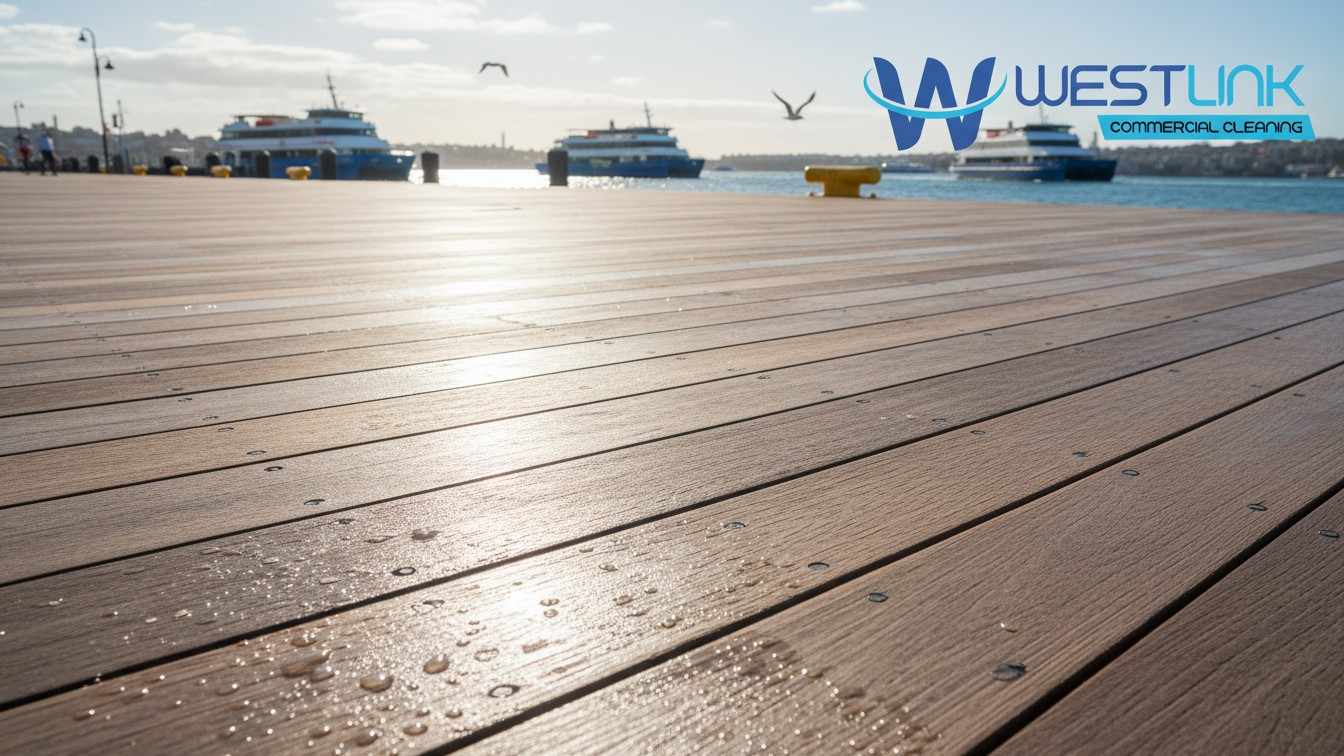
Composite decking, made from wood fibers and plastic, offers durability and low maintenance, making it ideal for moderate-pressure cleaning. Proper cleaning removes mold, algae, dirt, and environmental debris while preserving texture, color, and finish. Recommendations:
- Use low-to-moderate pressure to prevent surface damage
- Employ wide fan-tip nozzles for even coverage
- Pair with mild detergents for stubborn stains
- Prevent water pooling on seams to avoid discoloration or warping
Tiles and Ceramic Surfaces
Outdoor ceramic or porcelain tiles on patios, pool decks, or commercial exteriors can withstand moderate-pressure cleaning when properly installed and grouted. Benefits include:
- Removal of dirt, moss, mildew, and stains
- Maintains slip resistance and hygiene
- Prevents discoloration and buildup, extending the surface lifespan
- Ideal for high-traffic areas where cleanliness is critical
Rubber or Synthetic Sports Surfaces
Synthetic materials such as rubber playground mats, sports courts, and running tracks can be cleaned with low-to-moderate pressure to remove dirt, algae, and grime. Key points:
- Avoid high-pressure jets that can dislodge or damage the surface
- Use sweeping, even motion to protect texture
- Soft detergents or eco-friendly cleaning agents enhance results
What are the Surfaces That Require Controlled Pressure Cleaning
Not all surfaces can withstand the full force of high-pressure cleaning. Certain materials, like wood, painted finishes, and delicate siding, require careful handling to prevent damage. Using controlled pressure and the right cleaning techniques ensures thorough dirt and algae removal without compromising structural integrity. Understanding which surfaces need gentle methods is key to achieving safe, long-lasting, and professional results.
Wooden Decks, Fences, and Siding
Wood is a naturally porous material, which makes it highly susceptible to damage from high-pressure cleaning. Excessive force can cause splintering, raised grain, and stripping of protective coatings, reducing both aesthetic appeal and longevity. University extension services note that improper power washing can fracture wood surfaces and prolong drying times. The Care and Maintenance of Wood Shingle and Shake Roofs. Safe cleaning methods include:
- Lower pressure settings: 500–800 PSI for softwoods; slightly higher for hardwoods
- Wide fan-tip nozzles: Distribute water evenly to prevent concentrated damage
- Continuous nozzle movement: Avoids gouging or uneven cleaning
- Soft washing or hand scrubbing: Recommended for older, delicate, or intricately designed wood surfaces
Regular maintenance using controlled pressure not only removes moss, algae, dirt, and stains but also extends the lifespan of residential and commercial wooden structures, keeping decks, fences, and siding looking professionally maintained.
Painted or Rendered Surfaces
Painted walls, rendered finishes, and stucco surfaces are vulnerable to professional high-pressure washing, which can strip paint, etch render, or damage delicate textures. For safe and effective cleaning:
- Use soft washing with gentle detergents to lift dirt, algae, and mildew
- Avoid excessive pressure that may remove coatings or cause surface erosion
- Focus on even, sweeping motions rather than concentrated water jets
- Periodic maintenance helps preserve aesthetic quality and prevents long-term surface degradation
Soft washing not only cleans but also protects decorative finishes, maintaining the professional appearance of both residential homes and commercial buildings.
Vinyl and Aluminum Siding
Older or loosely attached siding panels require moderate pressure and careful technique. High-pressure water can seep behind panels, leading to water infiltration, mold growth, or insulation damage. Best practices include:
- Testing a small hidden area before full cleaning to ensure safety
- Spraying at a downward angle to prevent water from entering behind panels
- Using wide fan nozzles for even coverage
- Avoiding extremely high pressure to protect structural integrity
Proper maintenance of vinyl and aluminum siding enhances curb appeal, prevents costly repairs, and maintains commercial-grade aesthetics for businesses.
Decorative or Coated Surfaces
Surfaces with decorative paints, stains, or protective sealants are highly sensitive to pressure cleaning. Improper methods can remove coatings, damage textures, and reduce longevity. Safe cleaning practices include:
- Using gentle pressure or soft washing solutions
- Hand cleaning or scrubbing for small or intricate areas
- Avoiding concentrated jets to protect decorative finishes
- Regular maintenance ensures long-term appearance, durability, and value
Whether it’s stained wood panels, decorative masonry, or coated exterior walls, adopting controlled-pressure methods prevents damage while achieving effective, professional cleaning results.
Professional Techniques for Safe Pressure Cleaning
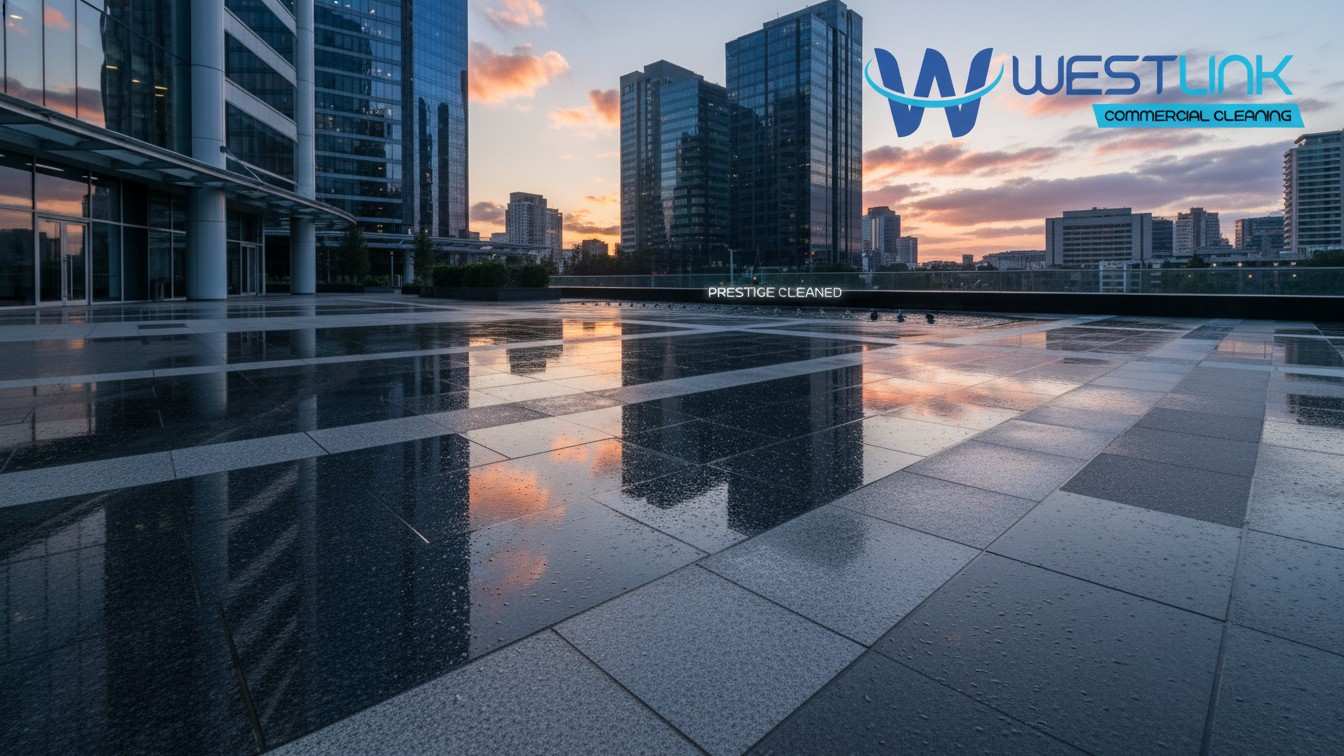
Correct pressure cleaning techniques are essential for achieving excellent results while protecting surfaces from damage. Even durable materials can be compromised if improper pressure, nozzle selection, or methods are used. Applying professional techniques ensures thorough cleaning, prolongs surface life, and maintains a safe, visually appealing property.
Test a Small Area First
Before tackling the entire surface, always test a small, inconspicuous area. This allows you to verify that the pressure, nozzle, and cleaning method are safe for the specific material. Testing reduces the risk of unexpected damage and ensures optimal results across the whole surface.
Maintain Continuous Nozzle Movement
Keeping the nozzle in constant motion prevents water from concentrating in one spot, which can erode surfaces, strip coatings, or create gouges. Sweeping motions across the surface deliver even cleaning while protecting delicate textures.
Choose the Right Nozzle
Wide-angle fan nozzles are ideal for softer surfaces because they distribute water evenly and reduce the intensity of pressure on any single point. For harder surfaces, narrower nozzles may be used, but care must be taken to avoid damage. Proper nozzle selection is critical for balancing cleaning efficiency and surface protection.
Maintain Safe Distance and Angle
Holding the nozzle at the correct distance from the surface prevents concentrated pressure impact that could damage coatings, paint, or delicate materials. Angling the spray downward when cleaning vertical surfaces such as siding or fences further reduces the risk of water infiltration behind panels.
Adjust Pressure According to Surface Type
Tailoring the PSI to each material ensures safe and effective cleaning. For wooden decks, 500–1200 PSI is recommended, depending on the wood type and age. Brick and masonry surfaces tolerate 1500–2500 PSI, while concrete or sealed surfaces can handle 2000–3000 PSI. Metal and vinyl siding should only be cleaned with moderate pressure to prevent dents, lifting, or paint damage.
Consider Soft Washing for Sensitive Areas
For older, delicate, or decorative surfaces, soft washing with low pressure and mild cleaning solutions is preferable. This method safely removes dirt, algae, and stains without compromising coatings, finishes, or structural integrity.
By following these professional techniques, property owners can achieve thorough, safe, and long-lasting cleaning results across a variety of surfaces, from residential decks to commercial concrete and masonry, while minimizing risk and maintenance costs.
What are the Common Mistakes and Risks in Pressure Cleaning to Avoid
Even with powerful equipment, improper pressure cleaning techniques can cause serious damage to both residential and commercial surfaces. Understanding common mistakes and their risks is essential for achieving safe, effective, and long-lasting results.
Damage to Wood Surfaces
Excessive pressure or incorrect nozzle use can lead to splintered, rough, or uneven wooden surfaces. Decks, fences, and timber cladding are particularly vulnerable, with potential for raised grain, stripped coatings, or permanent surface damage if proper techniques are not followed.
Stripped Paint and Protective Coatings
High-pressure cleaning without careful adjustment can strip paint, sealants, or protective coatings on walls, siding, and decorative finishes. This not only compromises the aesthetic appeal but also exposes surfaces to moisture, UV damage, and accelerated wear, increasing maintenance costs.
Erosion of Mortar and Masonry
Improper PSI or concentrated spraying on brick, stone, or masonry surfaces can erode mortar joints, dislodge bricks, and weaken structural integrity. Regular assessment and controlled pressure are necessary to prevent long-term structural damage while keeping surfaces visually clean.
Water Penetration Behind Siding or Render
Spraying vinyl, aluminum siding, or rendered walls at the wrong angle or distance can force water behind panels or coatings, leading to mold growth, rot, or internal damage. Correct nozzle selection and downward-angle spraying are essential to maintain surface safety and durability.
Glass and Window Damage
High-pressure water applied to windows or glass panels may result in cracks, shattered glass, or seal damage. Using soft washing, low-pressure methods, or professional glass cleaning techniques prevents costly replacements and maintains clarity and structural integrity.
Electrical Fixtures and Outdoor Equipment
Pressure cleaning near electrical installations, lighting, or machinery can cause short circuits, corrosion, or permanent equipment failure. Maintaining a safe distance and avoiding direct water contact is critical to ensure workplace safety and protect valuable assets.
Avoiding these mistakes ensures that surfaces are thoroughly cleaned without compromising structural integrity, aesthetic appeal, or safety. Professional cleaning practices combined with the right equipment, pressure settings, and surface knowledge are key to achieving efficient, reliable, and long-lasting results.
How to Pick the Best High-Pressure Cleaning Crew for Your Property
Going with a solid outfit certified cleaners like Westlink Commercial Cleaning means your day-to-day work keeps rolling without a hitch, your floors and walls stay in good shape, and the job gets done right every time. Bringing in the pros just makes sense they know what they’re doing, get it finished fast, and let you focus on everything else. A few real perks:
- Folks who’ve been trained to handle different materials the right way
- Heavy-duty gear that actually blasts away the grime
- Full insurance so you’re covered if anything goes sideways
- Schedules that fit around your hours, not the other way around
- Everything was done by the book on safety and eco rules
Conclusion
Pressure cleaning is a highly effective solution for maintaining property aesthetics, hygiene, safety, and long-term durability. Surfaces such as concrete driveways, brick walls, masonry, metal structures, and sealed stone are ideal for high-pressure cleaning, as they can withstand intense jets to remove dirt, algae, moss, grease, and stubborn stains. Softer, older, or delicate materials, including wooden decks, vinyl siding, painted walls, and composite surfaces, require gentle techniques, controlled pressure, soft washing, or professional intervention to prevent damage. Understanding the characteristics of each surface, selecting the appropriate PSI, choosing the right nozzle, and applying correct cleaning methods ensures effective dirt removal while preserving structural integrity and property value. For both residential and commercial properties, a strategic and professional approach to pressure cleaning maximizes results, enhances curb appeal, and minimizes the risk of costly damage or maintenance issues.
Frequently Asked Questions
What surfaces are safe for pressure cleaning?
Concrete, brick, sealed stone, masonry, and metal surfaces are safe for high-pressure cleaning, while softer materials like wood, vinyl siding, and painted walls need gentle pressure or soft washing to prevent damage.
Can pressure cleaning damage wooden decks?
Yes, high-pressure cleaning can cause splintering or strip finishes on wood. Using lower pressure, wide-angle nozzles, and continuous motion helps protect the surface.
How often should I clean my property?
Cleaning frequency depends on the surface. Concrete or masonry may need 1–2 times per year, while wooden decks or siding benefit from annual soft washing to remove dirt, algae, or mold.
Is soft washing better than high-pressure cleaning?
For delicate surfaces like painted walls, stucco, or vinyl, soft washing with low pressure and gentle detergents safely removes dirt and algae without causing damage.
Can I clean windows with a pressure washer?
Direct high-pressure water can crack or damage glass and seals. Soft washing or low-pressure cleaning is recommended for all glass surfaces.
What PSI is safe for different surfaces?
Wood decks: 500–1200 PSI; brick/masonry: 1500–2500 PSI; concrete/sealed stone: 2000–3000 PSI; metal/vinyl siding: moderate pressure. Adjusting PSI prevents damage while ensuring cleaning efficiency.
Is hot water cleaning necessary?
Hot water helps remove grease, oil, and industrial grime more effectively than cold water and is ideal for kitchens, workshops, and factory floors.
Do professionals offer protective treatments?
Yes, post-cleaning treatments like sealants for concrete, water repellents for wood, and anti-corrosion coatings for metal extend surface life and reduce maintenance.
Can electrical fixtures be damaged?
Direct contact with high-pressure water can cause short circuits or corrosion. Careful techniques and controlled pressure prevent damage to outdoor equipment.
How do I choose a professional service?
Select a service that understands surface-specific cleaning, correct pressure, nozzle selection, and eco-friendly detergents.