Keeping your kitchen clean goes far beyond wiping down countertops or washing dishes. One of the most important but often overlooked areas of kitchen hygiene is your trash cans and recycling bins. These containers are used daily, yet many people clean them far less frequently than necessary. A neglected trash can can quickly become a source of foul odors, germs, pests, and long-term damage if not cared for properly.
This in-depth guide explains why cleaning trash cans and recycling bins is essential, how to clean them correctly, how often to maintain them, and practical tips to keep odors under control. You’ll also learn about the best types of bins, smart maintenance habits, and common mistakes to avoid.
Types of Kitchen Trash Cans & Recycling Bins
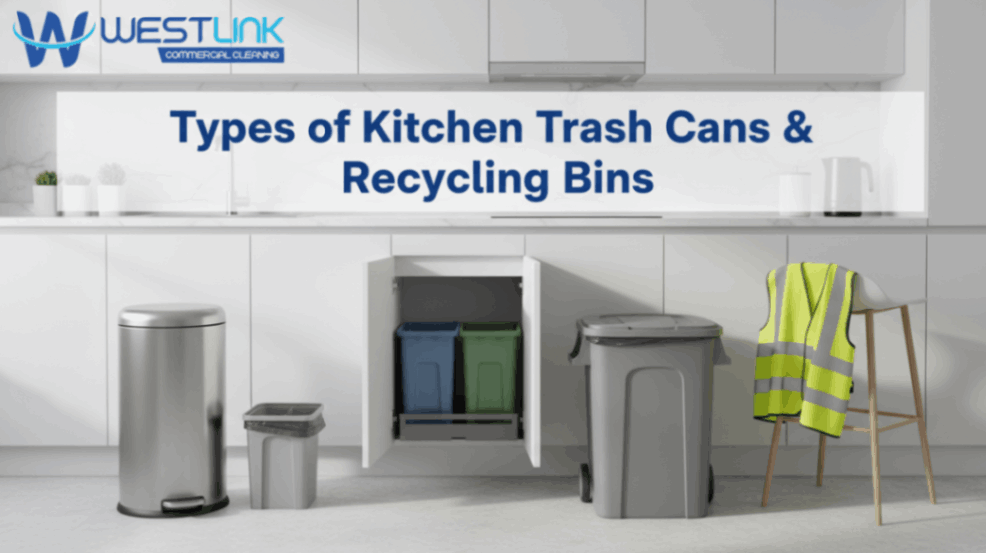
Commercial kitchens often use different kinds of bins depending on volume, waste type, and hygiene needs. Common types include:
Heavy-Duty Plastic Bins
Durable, lightweight, and easy to move; suitable for general waste or recyclables.
Stainless Steel Bins
Resistant to corrosion and heavy use; easier to sanitize thoroughly, ideal where food waste and greasy residues are frequent.
Bins with Lids (Foot-Pedal or Self-Closing Lids)
Help contain odors, prevent pests, and reduce direct hand contact (minimizing cross-contamination).
Separate Bins for Recyclables, Wet Waste, Dry Waste, Compost
Segregation helps in efficient waste disposal and lowers contamination or odor risks
Why Cleaning Kitchen Trash Cans & Recycling Bins Is Important
Every time you throw something away—especially food waste—you contribute to a buildup of bacteria inside your trash can. Even when you use bags, liquids and small particles often leak through. Over time, this residue can cause several problems.
Bacterial Growth
Food scraps naturally decompose, and as they do, bacteria multiply. This can cause unpleasant smells and can indirectly contaminate other areas of your kitchen Cleaning when the bin is touched frequently.
Mold Formation
Moisture, warmth, and leftover food create the perfect environment for mold. Mold spores spread easily, especially in humid weather.
Odor Problems
The longer waste residue sits, the more intense the smell becomes. Some odors even seep into the plastic of the bin, making them harder to remove.
Pest Attraction
Fruit flies, ants, and roaches are attracted to sugary drink remnants, food scraps, and decomposing waste.
Damage to Your Bin
Liquids, waste acids, and chemicals can weaken plastic over time or cause corrosion in metal bins.
Regular cleaning ensures a healthier, fresher kitchen environment and extends the life of your trash can
Smart Kitchen Trash Bin Features (Motion Sensors, Odor Filters)
Modern commercial kitchens increasingly use smart trash bins to improve hygiene, efficiency, and odor control. Here’s what makes them stand out:
Motion Sensors
- The lid automatically opens when it detects motion (hands or trash approaching).
- Benefits:
Reduces the need for physical contact, lowering cross-contamination risk.
Speeds up trash disposal, especially in busy kitchens.
Maintains cleanliness by preventing spills caused by manual lids.
Odor Filters
- Built-in filters neutralize bad smells from food waste.
- Types:
Charcoal filters
Carbon filters
Baking soda trays (some models)
- Benefits:
Keeps kitchen smelling fresh
Minimizes pest attraction (flies, rodents)
Reduces frequent cleaning needs, especially in high-volume kitchens
- Additional Smart Features:
Automatic liners or bag change reminders
Lid-locking systems to prevent unauthorized access
Sensors to monitor fullness and notify staff when bins are nearly full
Why it matters in commercial kitchens
Using a smart trash bin improves hygiene, safety, and operational efficiency, which is especially important in high-traffic kitchens where waste can accumulate quickly.
DIY Kitchen Trash Cans & Recycling Bins Deodorizing Methods
Baking Soda
Sprinkle a layer of baking soda at the bottom of the trash can or recycling bin before adding a liner.
Purpose: Absorbs odors from food waste, especially acidic or strong-smelling trash.
Benefit: Helps keep the bin smelling fresh between cleanings.
Activated Charcoal
Place a small pouch or tray of activated charcoal in the bin.
Purpose: Traps moisture and neutralizes unpleasant odors naturally.
Benefit: Long-lasting deodorizing effect, ideal for high-volume kitchens.
Vinegar Spray
Mix equal parts of water and white vinegar in a spray bottle and spray the inside of the bin.
Purpose: Neutralizes lingering odors and reduces bacterial growth.
Benefit: Easy, non-toxic solution that complements regular cleaning.
Citrus Peels or Essential Oils
Add lemon, orange, or lime peels, or a few drops of essential oils at the base of the bin.
Purpose: Provides a fresh, natural scent while offering mild antibacterial properties.
Benefit: Helps maintain a pleasant-smelling kitchen and discourages pests.
Ice Cubes (for Wet Food Waste)
Occasionally place a few ice cubes in bins containing food scraps.
Purpose: Slows bacterial growth and reduces odor buildup.
Benefit: Simple, effective method for bins that handle wet or perishable waste
Recommended Kitchen Cleaning Frequency & Routine
How often you clean depends on usage, waste type, and kitchen load. Here’s a good baseline schedule for commercial kitchens:
| Use Level / Waste Type | Routine Tasks | Deep Clean / Sanitize |
| High use — frequent food waste, greasy residues | Empty bins daily; wipe down exterior daily | Full wash & sanitize weekly or biweekly |
| Moderate use — mostly dry or light waste | Empty regularly; wipe as needed | Deep clean at least once per week |
| Low use (dry recyclables, light trash) | Empty as waste accumulates | Clean monthly (or sooner if odor/dirt appears) |
As a rule of thumb, in kitchens producing perishable waste, bins should be emptied and sanitized at least once every shift or at the end of the day.
How Often Should You Clean Kitchen Trash Cans and Recycling Bins?
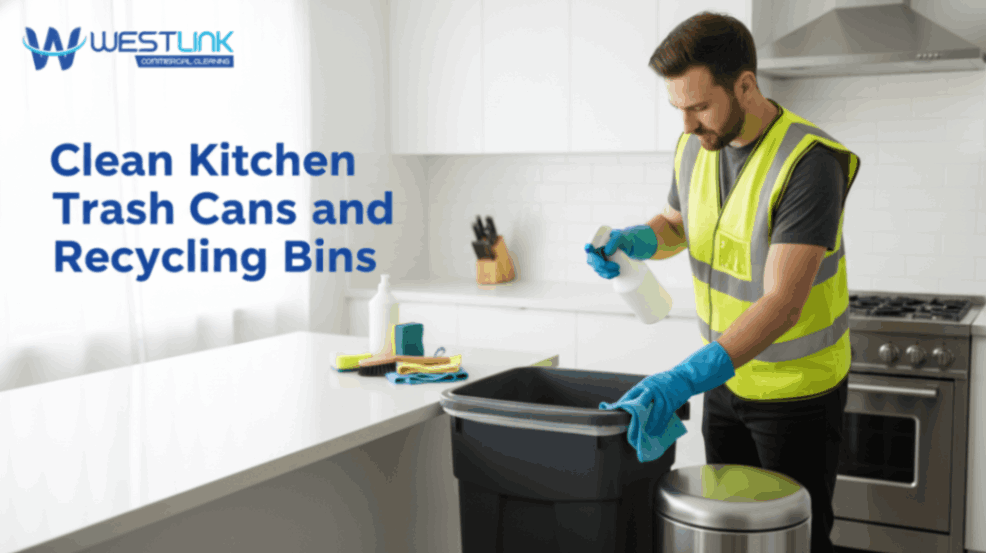
Cleaning frequency depends on how much waste your household produces, the type of waste, and the climate. Here are general guidelines:
Kitchen Trash Cans
Clean every one to two weeks, or sooner if you notice spills or odors.
Recycling Bins
Since recyclables are often rinsed before disposal, these can be cleaned every three to four weeks.
Outdoor Garbage Bins
These should be deep-cleaned once a month, especially in warm seasons.
Signs Your Bin Needs Immediate Cleaning
- Strong odors even with a fresh bag
- Sticky residue inside the bin
- Visible mold patches
- Presence of fruit flies or other insects
- Liquids leaking from the bottom
If you see any of these signs, clean your bin right away.
Step-by-Step Guide: Properly Clean and Sanitize Kitchen Trash Cans & Bins
Keeping trash cans and recycling bins clean is essential for hygiene, odor control, and food safety in a commercial kitchen. Here’s a clear, step-by-step guide to ensure your bins stay fresh and bacteria-free:
Step 1: Empty the Bin Completely
Remove the trash bag and shake out any crumbs or loose debris. Doing this outdoors helps prevent mess indoors and reduces the spread of bacteria.
Step 2: Pre-Rinse with Warm Water
Rinse the inside and outside of the bin with warm water. This softens dried-on residue and helps reduce odors before scrubbing.
Step 3: Scrub with Soap and Cleaning Agents
Mix warm water with dish soap, and optionally add a small amount of baking soda. Use a sponge or long-handled brush to scrub every part of the bin — interior, exterior, corners, rims, and lid. For tough stains or strong odors, adding a little white vinegar provides extra cleaning power, as suggested in University of Arkansas Extension’s clean and green homemade cleaners.
Step 4: Disinfect the Bin
After scrubbing, apply a food-safe disinfectant, or a solution like one tablespoon of bleach per quart of water, or a vinegar-water mixture. Spray or wipe all surfaces and let it sit for about ten minutes to kill bacteria and germs.
Step 5: Rinse and Dry Thoroughly
Rinse the bin with clean water to remove cleaning solutions. Allow it to air dry completely. Sunlight is ideal for natural deodorizing and sanitization; if drying indoors, use a clean towel or paper towels to remove all moisture.
Step 6: Reline, Seal, and Close
Place a new, high-quality liner or trash bag inside. Ensure the lid closes tightly to contain odors and prevent pests.
Why This Matters
Following this routine prevents bacterial growth, unpleasant odors, and pest infestations. It also extends the life of your trash cans and maintains a clean, professional kitchen environment. Regular cleaning — daily wiping and weekly deep-cleaning — keeps your kitchen safe and hygienic, in line with Clatsop County’s cleaning and sanitizing guidelines.
Tips to Keep Your Trash Can Fresh Longer
Use high-quality trash bags to prevent leaks
Using strong, durable trash bags reduces the risk of leaks and spills, which can create messes, odors, and attract pests. Cheap or thin bags often tear under heavy or wet waste.
Double-bag wet or heavy waste like meat scraps or liquids
For food scraps, especially wet or heavy items, placing them in two layers of bags prevents leakage and keeps the bin interior cleaner for longer. This also makes disposal safer and more hygienic.
Place baking soda or activated charcoal at the bottom to absorb odors
Adding odor-absorbing substances like baking soda or charcoal helps neutralize unpleasant smells before they spread. This simple step can make a big difference, especially in high-volume kitchens.
Avoid throwing hot or steamy food directly into the bin
Hot or steamy food can accelerate bacterial growth and create strong odors inside the bin. Let food cool slightly before disposing of it to maintain hygiene.
Always rinse bottles and cans before putting them in recycling
Residue inside bottles or cans can create sticky messes and odors. Rinsing them before disposal keeps recycling bins cleaner and reduces pest attraction.
Clean spills immediately to prevent strong odors
Any liquid or food that spills inside the bin should be cleaned promptly. This prevents odors from building up and limits bacterial growth.
Common Mistakes People Make with Trash Cans
No Liners, Sticky Residue
Not using liners in trash cans allows food and liquids to stick directly to the bin’s interior. This makes cleaning more difficult, increases odors, and can promote bacterial growth. Using strong, high-quality liners prevents residue buildup and keeps bins easier to maintain.
Trash Overflow & Bacteria
Allowing trash to overflow spreads waste onto floors and surrounding areas. This creates a breeding ground for bacteria and attracts pests. Regularly emptying bins prevents contamination and keeps the kitchen environment hygienic.
Pouring Liquids into Bins
Pouring liquids directly into bins without proper lining can leak and create sticky, smelly residue. Always use liners and dispose of liquids carefully to reduce odor and make cleaning easier.
Dirty Lid
The lid of a trash can comes into frequent contact with hands and waste, making it a hotspot for bacteria and odors. Neglecting to clean the lid regularly undermines overall bin hygiene and increases contamination risks.
Outdoor Bins & Pests
Outdoor bins, especially in hot weather, can quickly develop strong odors and attract flies, rodents, or other pests. Regular cleaning, proper lids, and placing bins in shaded or ventilated areas help maintain hygiene and reduce pest problems. Maintaining safe ventilation systems, professional services like Commercial Kitchen Exhaust Cleaning can help reduce contamination risks and improve cleanliness.
Choosing the Right Trash Can for Your Kitchen
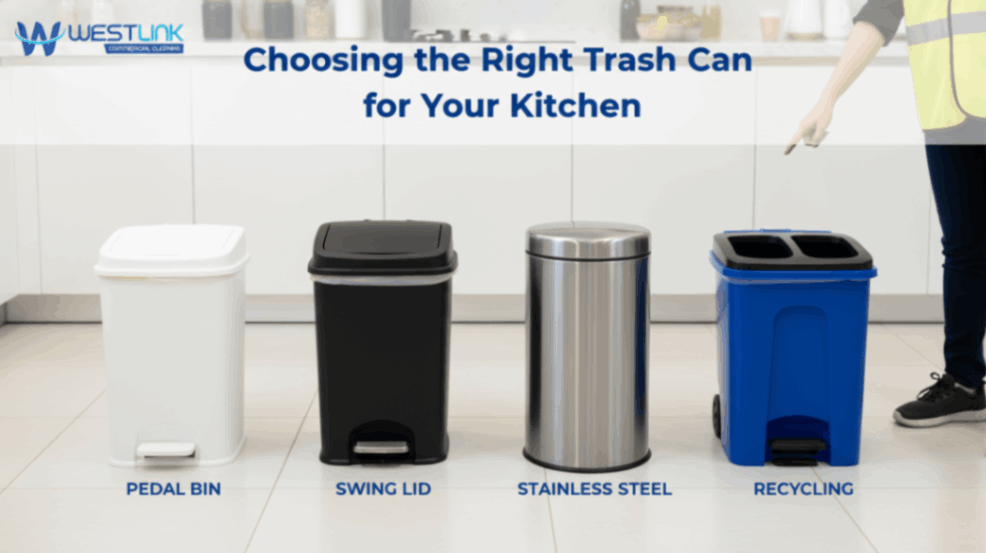
Size
Small kitchens work well with 8–13 gallon bins, while larger households may need 16 gallons or more.
Material
Plastic is lightweight and affordable but can hold odors. Stainless steel is more durable, easier to clean, and resistant to smells.
Lid Type
Options include step pedals, motion sensors, flip-tops, and tight-seal lids for better odor control.
Dual Bins
Bins with separate trash and recycling sections help keep the kitchen organized and make recycling easier, supporting EPA’s waste management practices.
Conclusion
Trash cans and recycling bins may not always get your attention, but they play a major role in keeping your kitchen clean and healthy. Regular cleaning, using proper habits, and choosing the right type of bin can significantly reduce odors, bacteria, and mess. By following the steps and tips outlined in this guide, you’ll maintain a cleaner kitchen environment while extending the life of your waste containers.
Frequently Asked Questions
- How often should I clean trash cans in a commercial kitchen?
Trash cans should be emptied daily, wiped down after heavy use, and deep-cleaned with soap and sanitizer at least once a week or more frequently depending on kitchen activity. - What is the best way to sanitize a kitchen trash can?
Use hot water, detergent, and a food-safe disinfectant. Scrub thoroughly, rinse, and allow the bin to air-dry completely before relining. - Can I use regular household cleaners for commercial bins?
Mild detergents are fine, but avoid harsh chemicals that can corrode metal bins or leave toxic residues. Always choose food-safe sanitizers. - What are smart trash bins, and should I use them?
Smart bins have features like motion-sensor lids and odor filters, reducing manual contact, improving hygiene, and controlling odors — ideal for busy commercial kitchens. - How can I prevent odors in trash cans and recycling bins?
Use deodorizing methods like baking soda, charcoal filters, vinegar sprays, citrus peels, or essential oils. Regular cleaning also helps control smells. - Are stainless steel bins better than plastic ones?
Stainless steel bins are durable, easy to sanitize, and resistant to odors, making them ideal for high-traffic kitchens, while plastic bins are lighter and easier to move. - What are common mistakes to avoid when cleaning kitchen bins?
Avoid neglecting cleaning, using weak liners, not drying bins thoroughly, cleaning near food prep areas, or continuing to use damaged bins.