Commercial pressure cleaning is a cornerstone for maintaining professional cleanliness, safety, and hygiene in any commercial facility, from industrial warehouses and office complexes to restaurants and public buildings. The choice of commercial pressure cleaning equipment directly impacts the speed, efficiency, and quality of cleaning tasks. Selecting the right machine involves more than just considering pressure or power; it requires understanding the surface type, grime or contaminant, cleaning frequency, and operational efficiency to ensure long-term results and cost-effectiveness.
In this comprehensive guide, we explore every major type of commercial pressure cleaning equipment, including electric cold-water systems, hot-water diesel washers, portable units, and stationary skid-mounted machines, along with their features, applications, advantages, and limitations. We also cover essential accessories, maintenance tips, and safety considerations to optimize performance. According to the CDC’s guidance on facility cleaning and disinfection, regular systematic cleaning of surfaces is critical for reducing the spread of germs and maintaining safe environments, a principle that highlights the importance of professional commercial pressure cleaning.
Understanding Commercial Pressure Cleaning Equipment
Commercial pressure cleaning equipment is built for heavy-duty cleaning tasks that go beyond typical home pressure washers. These machines handle continuous operation, higher flow rates, and tough grime, making them ideal for industrial, commercial, and public facilities. Choosing the right system ensures efficient cleaning, surface preservation, and long-term reliability. For guidance on maintaining safe and hygienic commercial facilities, see the Occupational Safety and Health Administration’s cleaning and sanitation standards.
Power Source Options
The power source affects cleaning efficiency and suitability for different tasks:
- Electric Pressure Washers: Quiet, lightweight, eco-friendly, ideal for indoor spaces like offices and hospitals. Best for light to moderate dirt.
- Petrol/Gas Pressure Washers: High pressure and flow, portable for outdoor industrial sites, construction, and fleet cleaning.
- Diesel Pressure Washers: Heavy-duty, durable, and efficient for factories, warehouses, and municipal cleaning.
Water Temperature: Cold, Hot, or Steam
Water temperature impacts cleaning effectiveness:
- Cold Water Systems: Energy-efficient, good for dust, mud, and general debris in warehouses or sidewalks.
- Hot Water Systems: Removes grease, oil, and mold; ideal for kitchens, restaurants, and industrial facilities.
- Steam-Assisted Cleaning: Deep cleaning and disinfection for hygiene-sensitive areas like hospitals and labs.
Pressure and Flow Rate
- High PSI: Removes stubborn dirt and industrial residues.
- High GPM/LPM: Covers large surfaces quickly, saving time and labor.
Choosing the right combination ensures effective cleaning without damaging surfaces.
Mobility and Design
- Portable Units: Lightweight and easy to move, for medium commercial spaces.
- Skid-Mounted Units: Mounted on carts or trailers, for heavy-duty industrial use.
- Stationary Units: Fixed installations for high-volume cleaning in factories or warehouses.
Accessories and Attachments
- Nozzles: Turbo, fan, or adjustable for different surfaces.
- Lances & Extension Wands: Reach high walls or large machinery.
- Surface Cleaners: Flat or rotating for streak-free cleaning of concrete and asphalt.
- Chemical Injectors & Foam Kits: Apply detergents or disinfectants for deep cleaning.
Proper selection of power source, water temperature, pressure/flow, mobility, and attachments ensures efficient, safe, and cost-effective commercial cleaning while extending equipment and surface lifespan.
1) Electric Commercial Pressure Washers: Lightweight and Efficient
Electric commercial pressure washers are widely used in moderate cleaning tasks where precision, quiet operation, and indoor use are important. These units are compact, lightweight, and environmentally friendly, making them ideal for facilities that require consistent cleaning without noise pollution, such as offices, hospitals, schools, and food-preparation areas. For guidance on safe and effective use of electric pressure washers, see the CDC’s Pressure Washer Safety guidelines. Electric systems deliver steady water pressure, which is perfect for delicate surfaces like tiled floors, glass facades, or walls, ensuring thorough cleaning without damaging the material.
Features and Advantages
Electric pressure washers are designed for ease of use and operational efficiency. Their compact and lightweight design allows staff to easily move them across multiple areas within a commercial facility, from entryways and lobbies to corridors and retail spaces. With low-noise operation, these units are suitable for indoor environments where noise can disrupt business activities. They provide consistent water pressure, making them effective for cleaning sensitive surfaces without causing scratches or damage. Additionally, most electric washers feature a plug-and-play setup, requiring minimal installation and simple maintenance, which reduces downtime and labor costs.
Common Uses
Electric commercial pressure washers are ideal for a variety of indoor and outdoor cleaning applications. They are commonly used for office entryways, lobbies, and corridors, maintaining a clean and professional appearance. Retail facilities often rely on electric washers to clean storefronts, display windows, and entry areas, while smaller commercial outdoor spaces like parking lots, sidewalks, or walkways can also be maintained efficiently. In food facilities, electric washers are preferred due to safety considerations, providing a reliable solution for cleaning equipment and areas where water and electricity coexist safely.
Limitations
While electric pressure washers are efficient and convenient, they have some limitations. They typically provide lower pressure and flow rates compared to petrol or diesel units, making them unsuitable for heavy grease, oil, industrial grime, or intensive hard floor cleaning. They also have limited mobility due to dependence on power outlets. Despite these limitations, electric washers remain a safe, cost-effective, and practical solution for moderate commercial cleaning tasks.
2) Powerful Petrol and Diesel Commercial Pressure Washers for Industrial Cleaning
Petrol and diesel commercial pressure washers are built for industrial-grade cleaning tasks requiring high pressure and flow rates. Engine-driven systems handle large-scale operations like factories, warehouses, and construction sites. They remove stubborn grime, grease, and oil efficiently. These units are ideal for outdoor and remote areas. Proper selection ensures safe, reliable performance.
Advantages
Petrol and diesel washers provide high PSI and flow, tackling tough concrete, machinery, and outdoor surfaces. They are mobile, not needing electricity, so they can operate in remote locations. Durable construction allows continuous industrial use. Many models support hot water or chemical injection. These features make them versatile for large-scale cleaning.
Applications
Common uses include factories, warehouses, and workshops. They are suitable for construction site cleaning, including scaffolding and heavy machinery. Fleet maintenance for trucks and buses is also common. Outdoor spaces like parking lots, sidewalks, and parks benefit from them. Their high power ensures efficient large-area cleaning.
Considerations
Petrol and diesel units require regular maintenance and fuel management. They are heavier and louder than electric washers. Storage space is larger due to engine size. Trained personnel are needed for safe operation. These factors are important when planning industrial cleaning tasks.
3) Cold Water and Hot Water Commercial Pressure Systems
Water temperature is a critical factor in commercial pressure cleaning efficiency. Pressure washers are generally classified into cold water cleaning and hot water systems, each suited for different cleaning tasks. Choosing the right system ensures effective grime removal, surface safety, and operational efficiency. Proper selection also impacts cleaning speed, energy usage, and maintenance requirements.
Cold Water Pressure Cleaners
- Best For: Light to moderate cleaning, general facility maintenance, and dirt removal on concrete floors, sidewalks, and entryways.
- Advantages: Cold water units are cost-effective, low-maintenance, and environmentally friendly for water consumption. They are easy to operate and ideal for daily cleaning of offices, schools, or retail spaces.
- Limitations: Less effective on oil, grease, mold, stubborn stains, and heavily soiled concrete floors. They may require repeated passes for tough grime.
Hot Water Pressure Cleaners
- Best For: Industrial cleaning, food processing, restaurants, factories, and areas requiring sanitization or deep cleaning of concrete floors.
- Advantages: Hot water systems remove grease, oil, mold, and biological contaminants easily. They increase cleaning speed and are excellent for hard surfaces and high-traffic areas.
- Limitations: Higher purchase and operational cost. Maintenance is more complex due to boilers or heating elements, and safety precautions are essential when using high temperatures.
Hot water systems are preferred in restaurants, factories, food storage facilities, and heavily trafficked concrete areas where deep cleaning and sanitization are critical.
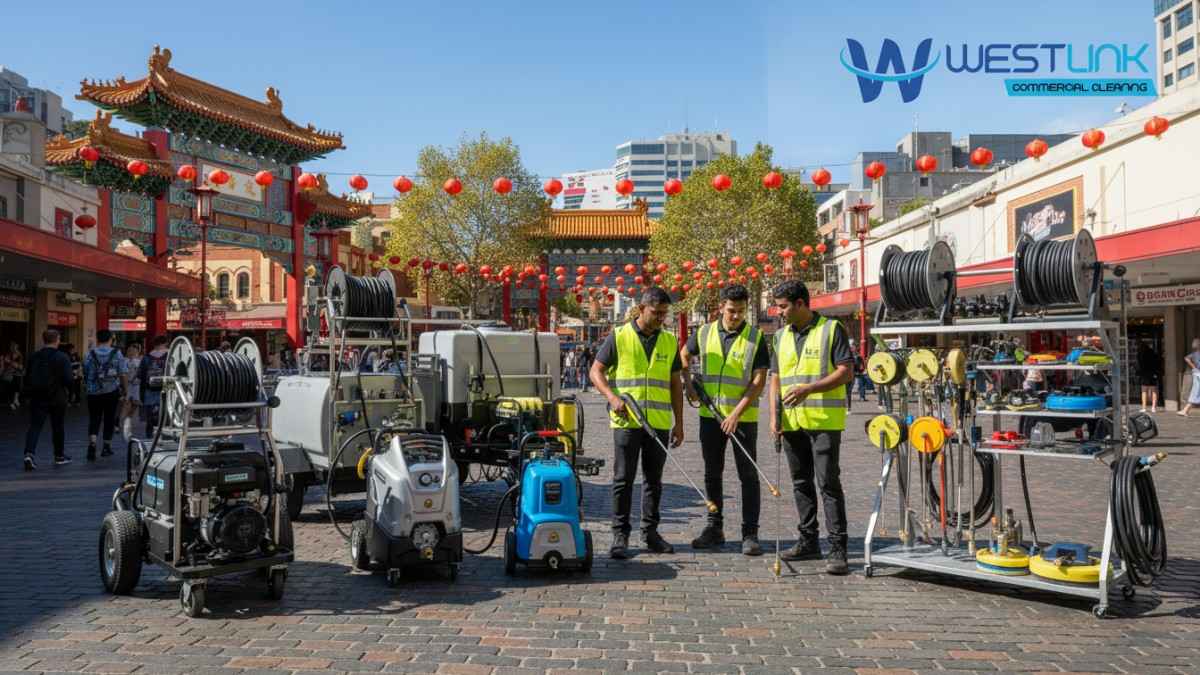
4) Stationary and Skid-Mounted Commercial Pressure Cleaning Systems
Stationary and skid-mounted pressure cleaning systems are perfect for commercial and industrial operations that require frequent or continuous cleaning. These units provide consistent high performance and durability for heavy-duty tasks. They are often installed in factories, warehouses, and municipal depots. Additionally, they are ideal for outdoor event cleaning, handling large crowds and high-traffic areas efficiently. Proper setup ensures minimal downtime and smooth workflow.
Features
These systems feature permanent installation for high-traffic zones, eliminating the need for frequent relocation. Heavy-duty pumps and boilers deliver high pressure and temperature continuously. Large water tanks and detergent injection systems reduce downtime and ensure consistent cleaning. They also support attachments like surface cleaners or foam lances. This makes them versatile for multiple cleaning tasks.
Common Use Cases
Stationary and skid-mounted systems are used in industrial factories for regular machine washdowns. They handle large warehouses where grime accumulates quickly. Municipal depots and fleet maintenance stations benefit from continuous cleaning power. They are also effective for outdoor events, including festivals, markets, or stadiums. High-traffic concrete areas are cleaned quickly and efficiently.
Benefits
These systems reduce the need to move equipment, improving workflow efficiency. They handle large volumes of water and cleaning chemicals effectively. Specialized attachments allow detailed and precise cleaning. They are built for continuous heavy-duty operations indoors or outdoors. Overall, they provide reliable, efficient, and versatile commercial cleaning solutions.
5) Portable Commercial Pressure Washers
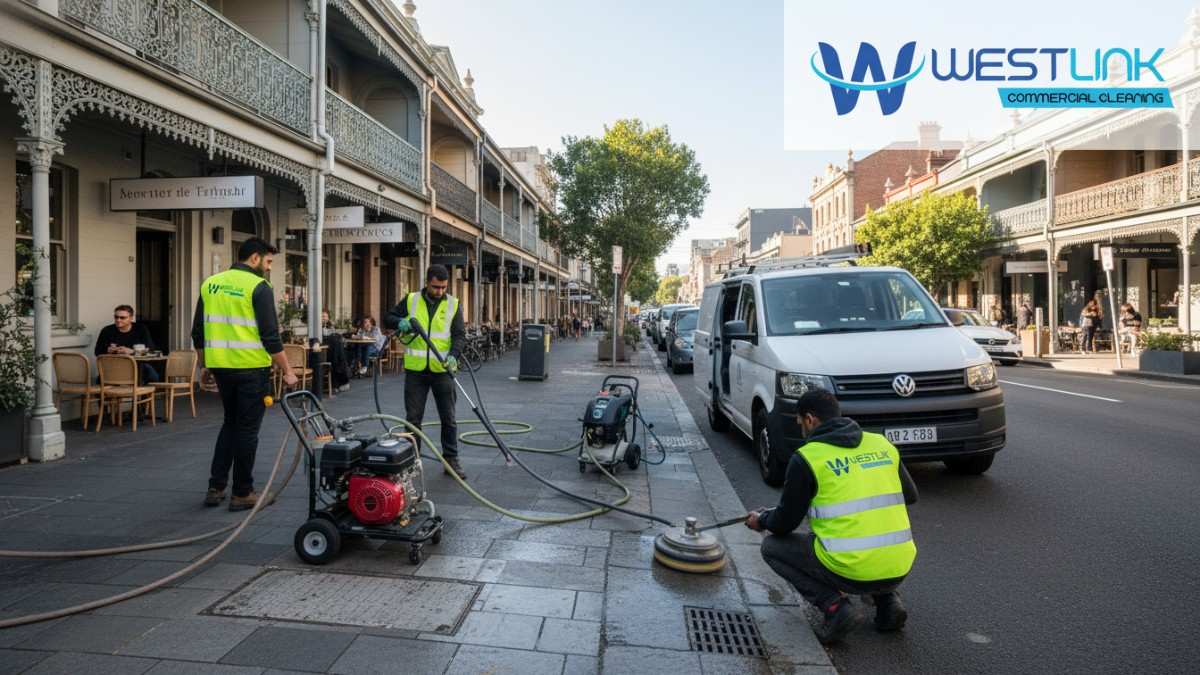
Portable commercial high-pressure washers offer mobility without sacrificing power, making them ideal for cleaning multiple areas. They can be moved easily across parking lots, public walkways, and outdoor commercial spaces. Portable units are perfect for temporary work sites and seasonal cleaning. They are also suitable for facility maintenance where access to electricity is limited. Their design ensures efficient cleaning without the need for permanent setups.
Advantages of Portable Pressure Washers
Portable pressure washers are designed for ease of transport with wheels, compact frames, and lightweight construction. They come with flexible power options, including electric, petrol, or diesel versions. Many units support adaptable attachments like lances, nozzles, and chemical injectors. This makes them versatile for a wide range of cleaning tasks. Overall, they combine mobility, efficiency, and convenience for commercial operations.
Applications
Portable washers are widely used for parking lots, public walkways, and outdoor commercial areas. They are also ideal for temporary work sites or seasonal cleaning tasks. Facility maintenance crews rely on them where power access is limited. Their portability makes them suitable for both indoor and outdoor environments. These units ensure efficient cleaning across multiple locations.
Specialized Accessories for Commercial Pressure Cleaning
Attachments enhance efficiency, precision, and safety when using commercial pressure washers. Using the correct accessories ensures surface protection, cleaning effectiveness, and reduced operational time. Popular options include nozzles, surface cleaners, lances and wands, foam kits and chemical injectors, and water filters. Each attachment is designed for specific surfaces or cleaning challenges, such as concrete, asphalt, high walls, or delicate equipment. Proper use maximizes performance and safety.
Maintenance and Operational Tips for Commercial Equipment
Maintaining commercial pressure cleaning equipment is essential for safety, efficiency, and long-term performance. Regular inspection of hoses, nozzles, pumps, and lances ensures they are in good condition before use. Proper storage prevents moisture, rust, and freezing damage, extending equipment life. Staff must handle fuels, electricity, and cleaning chemicals safely, following all manufacturer guidelines. Proper maintenance reduces downtime, enhances pressure washing results, and prevents accidents.
Key Maintenance Practices
- Regular Inspection: Check hoses, nozzles, pumps, and lances before every use.
- Proper Storage: Keep equipment dry, ventilated, and away from freezing conditions.
- Fuel & Electrical Safety: Use correct fuel for engine units; avoid electrical hazards.
- Chemical Handling: Follow manufacturer instructions for detergents and solvents.
- Training Staff: Ensure proper understanding of pressure settings, nozzle selection, and safe operation.
How to Choose the Right Commercial Pressure Cleaning Equipment
Selecting the right equipment depends on power, mobility, water temperature, and attachments relative to the cleaning task. Consider the surface type concrete, asphalt, metal, glass, or wood and the type of contaminant, such as dust, grease, oil, or mold. Cleaning frequency matters for daily, weekly, or periodic deep cleaning. Factor in your operational budget, including maintenance and energy/fuel costs. Also assess accessibility for hoses and lances in large areas, such as warehouse cleaning, to ensure full coverage.
Decision Considerations
Evaluate surface compatibility and choose attachments for delicate or hard materials. Assess contaminant type to select cold or hot water systems. Plan for cleaning high-traffic or large outdoor areas using pressure washing techniques that optimize time and efficiency. Consider equipment mobility and power source for remote or hard-to-reach zones. A detailed assessment guarantees the right mix of equipment and attachments, reducing costs and improving cleaning performance.
Safety Measures in Commercial Pressure Cleaning
Pressure cleaning is highly effective but can be dangerous if equipment is misused. Following proper safety precautions protects personnel and prevents equipment damage. Staff should always wear personal protective equipment (PPE) including gloves, goggles, waterproof suits, boots, and hearing protection. Awareness of surface conditions ensures delicate or brittle surfaces are not damaged. Handling chemicals correctly and proper wastewater disposal prevents environmental contamination.
Key Safety Practices
- Personal Protective Equipment (PPE): Gloves, goggles, waterproof suits, boots, and hearing protection.
- Surface Awareness: Avoid surfaces that may crack, chip, or erode under high pressure.
- Chemical Safety: Follow manufacturer instructions when using detergents or sanitizers.
- Training & Certification: Staff should understand PSI, GPM, and safe nozzle usage.
- Environmental Safety: Ensure proper disposal of wastewater and run-off.
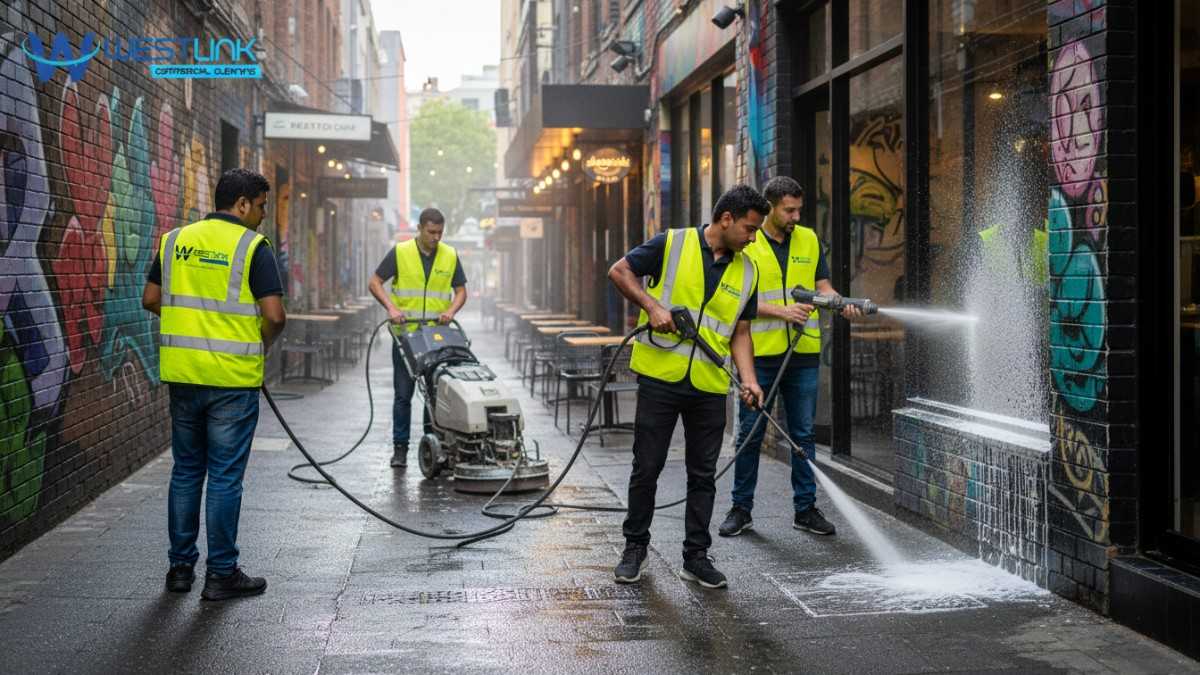
Future Trends in Commercial Pressure Cleaning Equipment
Commercial pressure cleaning is evolving toward higher efficiency, sustainability, and safety standards. Modern systems focus on eco-friendly solutions, reducing water use and employing biodegradable detergents. Automated or robotic pressure washers are emerging for repetitive or hazardous cleaning tasks. Energy-efficient pumps and heating systems help cut electricity and fuel costs. Integration of smart sensors and IoT allows monitoring of equipment performance, water usage, and maintenance needs. Investing in these innovations ensures long-term operational efficiency and cost savings.
Emerging Features
- Eco-Friendly Systems: Biodegradable detergents and lower water consumption.
- Automated/Robotic Washers: Ideal for repetitive or risky cleaning tasks.
- Energy-Efficient Pumps & Heating: Reduce electricity and fuel consumption.
- Smart Sensors & IoT: Track equipment performance, water usage, and maintenance.
Conclusion
Choosing the right commercial pressure cleaning equipment goes beyond picking a machine it means matching the equipment to the cleaning environment, surface type, contamination level, and operational needs. From electric units for light‑duty cleaning to hot‑water diesel machines for industrial grime, each type offers specific advantages, limitations, and ideal applications. For guidance on safe commercial pressure‑washer operation, see the Pressure Washer Safety guide from University of Kentucky. Understanding attachments, accessories, and maintenance requirements further improves cleaning efficiency, safety, and cost‑effectiveness. Investing time in selecting the right equipment, training personnel, and following best practices ensures consistent, professional, and reliable cleaning results across any commercial setting. Whether you’re managing routine maintenance through a trusted provider like Westlink Commercial Cleaning or need a tailored solution via their quick quote form.
Frequently Asked Questions
What is the difference between cold water and hot water commercial pressure washers?
Cold water pressure washers are ideal for general dirt, mud, and debris removal on surfaces like sidewalks and warehouses, offering energy efficiency and lower costs. Hot water models excel at dissolving grease, oil, and mold, making them essential for kitchens, factories, and sanitization needs. In 2025, hot water systems with advanced boilers can heat water up to 200°F for faster deep cleaning, but they require more maintenance.
How do I choose the right PSI and GPM for commercial pressure cleaning?
PSI measures cleaning force (e.g., 3000+ for heavy industrial grime), while GPM indicates water volume for coverage speed (4+ GPM for large areas). For moderate commercial tasks like office lobbies, aim for 2000–3000 PSI and 2–3 GPM; industrial sites need 4000+ PSI and 4+ GPM. Balance them to avoid surface damage.
What are the best commercial pressure washers?
Top picks include the Simpson PS4240 (4200 PSI, Honda engine for industrial durability), Westinghouse WPX3200 (unmatched cleaning on concrete), and Karcher Pro series (affordable hot water options). These models prioritize portability, efficiency, and eco-features like reduced emissions.
Are electric pressure washers suitable for commercial use?
Yes, electric models are perfect for indoor commercial spaces such as hospitals and offices, offering quiet operation (under 70 dB) and consistent pressure up to 2500 PSI without emissions. They shine in eco-focused 2025 operations with brushless technology for longevity.
How often should commercial properties undergo pressure cleaning?
Frequency depends on traffic and environment: high-traffic areas like parking lots need quarterly cleanings, while restaurants or warehouses may require monthly sessions for grease buildup. In 2025, with rising hygiene standards, bi-annual deep cleans are recommended for all commercial facades.
What safety precautions are essential for commercial pressure washing?
Always use PPE (goggles, gloves, non-slip boots), maintain a 6-foot distance from nozzles, and test low pressure on surfaces to avoid damage. Secure hoses to prevent whipping and ensure proper grounding for electric units. 2025 updates emphasize auto-shutoff sensors to minimize accidents.
Can pressure washing damage commercial surfaces?
Yes, excessive PSI (over 4000 on delicate materials like wood or painted siding) can etch or strip finishes. Use adjustable nozzles and start low (1500 PSI) for glass or metal. Modern 2025 surface cleaners with rotating heads distribute pressure evenly, reducing risks on concrete and asphalt by up to 50%.
What maintenance is required for commercial pressure cleaning equipment?
Inspect hoses and nozzles daily for wear, flush systems after use to prevent clogs, and service pumps annually. For gas/diesel models, change oil every 50 hours. 2025 smart sensors in premium units alert to issues via apps, cutting unplanned downtime by 30%.
Are there eco-friendly options for commercial pressure washing?
Yes look for low-flow nozzles (under 2 GPM) and biodegradable detergents in models that recycle up to 80% of water. These align with EPA guidelines while maintaining 3000+ PSI efficacy for sustainable commercial cleaning.
How much does commercial pressure cleaning equipment cost?
Entry-level electric units start at $500–$1,000, while high-end diesel hot water systems range from $3,000–$10,000+. Factor in accessories ($200–$500) and maintenance ($100/year). Top 2025 models often pay for themselves in 6–12 months for frequent-use commercial operations.