A carpet protection treatment, which is also known as a carpet protector, stain guard, or fiber protection, is something that a professional does after deep cleaning. It makes a light, invisible barrier around the fibers. This keeps spills on the surface longer instead of soaking in right away. It can also make high-traffic areas look dull or dirty again more slowly.
Clean carpets look and feel amazing right after they’ve been cleaned. The real win is keeping them that way, without leaving behind harsh chemical residue in your home or workplace.
Combine the two for optimal outcomes:
- Eco-friendly, low-residue carpet cleaning solutions to ensure the fibers rinse clean and remain fresh
- A high-quality protector that bonds correctly and functions as intended when applied uniformly and given the proper curing time
What is and is not a carpet protection treatment?
A carpet protector is a thin, transparent coating that is applied following a thorough deep cleaning and rinse, typically following expert hot water extraction. It helps alter the way carpet fibers respond to spills and oily dirt, reducing the likelihood that liquids and soils will seep in immediately. To put it simply, it gives you more time to clean up and blot spills before they turn into stains.
What it isn’t
- Although useful, a protector has its limitations:
- Carpet is not “stain-proof” as a result.
- Wear, bleaching, flattening, and dye loss are examples of damage that cannot be repaired.
- It does not take the place of routine vacuuming or sporadic deep cleaning by a professional.
Residue Is the Enemy of Carpet Protection
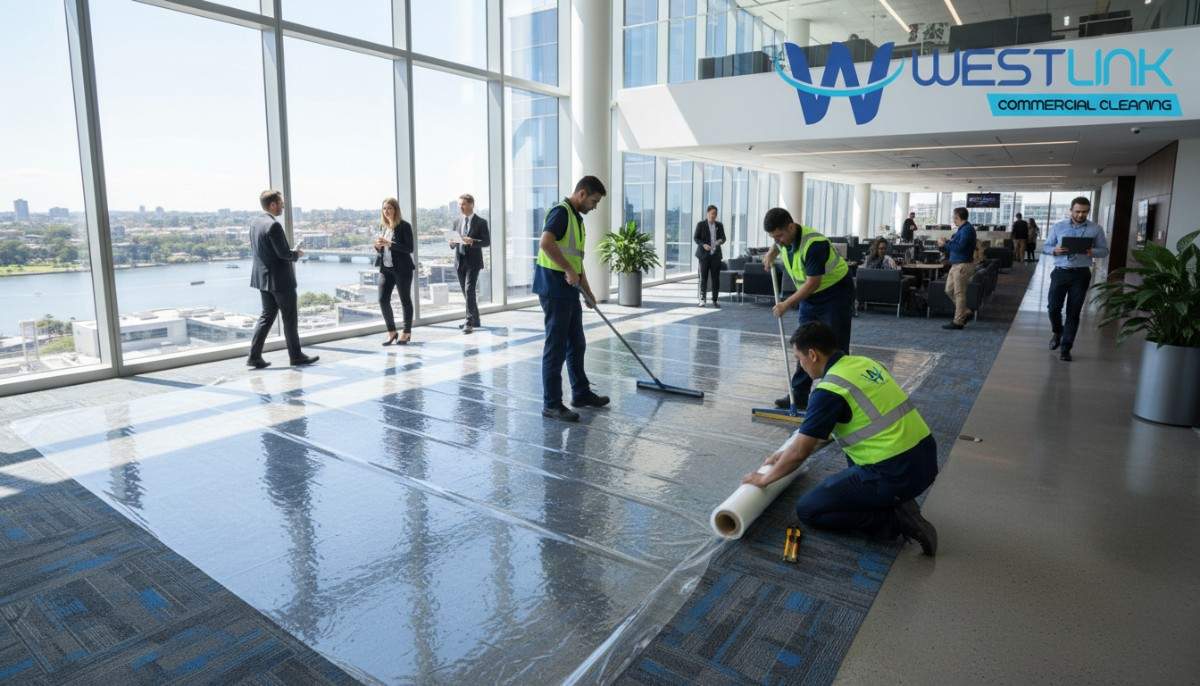
Carpet protection products work best when they are applied to clean, residue-free fibres. If the carpet is not properly cleaned first, the protector cannot bond or sit evenly on the fibre surface. That means you may spend money on protection and still see the carpet get dirty again quickly.
A protector performs best when the fibres are:
- Deep-cleaned so the soil, oils, and grime are removed from inside the pile, not just from the surface
- Rinsed free of sticky residues so nothing is left behind to attract new dirt
Here’s the key problem: cleaning residues acts like a magnet for new soil. Some products leave behind soaps, surfactants, or “soft” residue that feels clean at first, but stays slightly tacky, when people walk on the carpet, dust and dirt stick to that residue faster than they would on a properly rinsed carpet.
Think of it like this: putting a protector over residue is like wearing a raincoat over a muddy shirt. The raincoat may block water, but you are still starting with mud underneath, so you will look dirty again fast.
The real key to protecting your carpet is cleaning it without leaving any residue.
It’s not just that eco-friendly cleaning solutions are better for the environment. A truly good “green” way to take care of carpets typically works better since it concentrates on what protection really needs: clean fibers and no sticky remnants.
Most of the time, the finest eco-friendly way to clean carpets means:
Cleaning with less residue
We use products because they cleanse cleanly and don’t leave a film that attracts dirt.
The correct pH for the type of fiber
Chemicals affect different types of carpet fibers in different ways. Using the right pH helps clean well without hurting or stressing the fibers, and it helps the protection work better later.
Rinse and extraction that works
The purpose is not just to loosen dirt, but also to get rid of it and wash away any chemical remains. When you rinse well and remove strongly, the fibers become “neutral” and ready for protection.
Moisture control speeds up drying
Too much water might slow down drying and make it more likely that the surface will get dirty again quickly. The protection works better and lasts longer when carpets dry faster since there is less time for particles to wick back up or draw in new dirt.
The main point to remember
Prioritize the basis for effective carpet protection: a thorough cleaning, a thorough rinse, and controlled drying. The protection can do its work better if the fibers are cleaner and have less residue on them.
The importance of eco-friendly carpet protection products
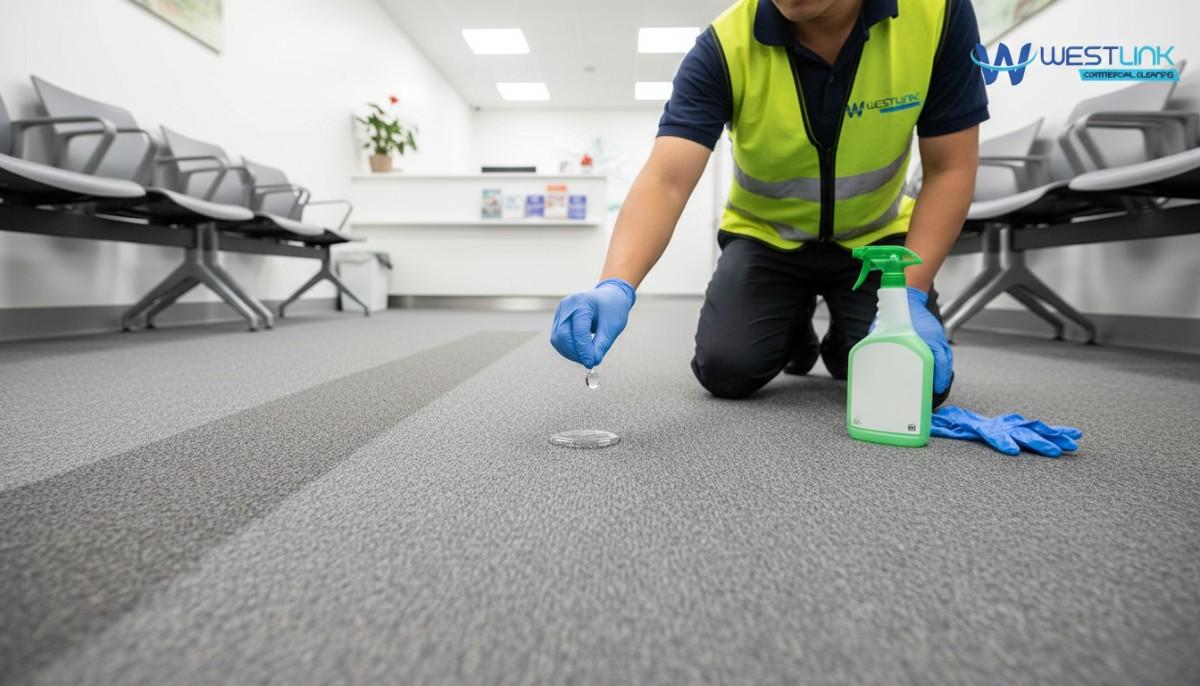
Eco-friendly carpet protection products help maintain healthier indoor air quality while protecting carpets from stains, spills, and daily wear. Unlike harsher treatments, they reduce chemical residues and odors that can linger in enclosed spaces.
These products also help preserve carpet fibers, extending carpet life and reducing the need for frequent deep cleaning or replacement. Choosing eco-friendly carpet protection supports both indoor comfort and long-term carpet performance. For guidance on maintaining a healthy environment with eco-friendly products, including cleaning recommendations, see resources from Australia’s National Health and Medical Research Council.
A practical eco-friendly Products checklist for carpet protectors and cleaners
1) Water-based application
Water-based protectors usually have a lower odour profile than many solvent-based aerosols. That can matter a lot in homes and offices where people are present soon after application. Water-based systems also tend to feel less harsh during use, especially in enclosed rooms.
2) Low-VOC and low-odour positioning
VOCs can contribute to strong smells and indoor air concerns for some people. A low-VOC or low-odour product is often a better fit for indoor spaces, particularly if the carpet sits in bedrooms, child-care areas, clinics, or high-traffic offices. If the label is vague, ask the provider what makes it “low-VOC” and whether they can share product details.
3) No added fragrance for sensitive occupants
Added fragrance is a common trigger for people with sensitivities, allergies, or headaches. “Fresh scent” is not the same thing as “clean,” and fragrance does not improve protection performance. If anyone in the space is sensitive, a fragrance-free option is usually the safer choice.
4) Clear SDS availability before you book
A service that is serious about safety should be able to provide the Safety Data Sheet (SDS) on request. You should not have to chase it after the job. The SDS helps you understand basic things like ingredients, ventilation needs, first-aid guidance, and handling precautions. Even if you never read every line, the willingness to share it is a trust signal.
5) Third-party safer-chemistry signals when relevant
When you see a recognised third-party program attached to a product, that is often more meaningful than a self-declared “eco” label. For cleaning products, one example is EPA Safer Choice, which reviews ingredients against health and environmental criteria. Not every product will carry a third-party badge, but when it does, it adds real credibility.
What to avoid using eco-friendly products
Be careful with broad phrases like “non-toxic,” “chemical-free,” or “100% safe.” These statements are often undefined and can be misleading. Instead of trusting the slogan, ask one simple question:
What does that mean in practice?
A good provider should be able to explain the product type (water-based vs solvent), odour level, fragrance use, SDS availability, and any third-party certifications.
The takeaway
Eco-friendly carpet protection is not about trendy wording. It is about clear product choices and transparent information that supports comfort, safety, and trust. If a company can tick these boxes, the “eco” claim becomes meaningful and easy for customers to believe.
Carpet Protector Types: A Simple Guide to Picking the Best One
Below are the main categories you will see, plus a practical selection logic you can use.
1) Water-based polymer protectors
Best for: people who want a straightforward, low-odour, low-residue direction.
Water-based polymer protectors are commonly chosen when the goal is everyday stain resistance without strong smells or complicated handling. In most homes and many offices, this category is a popular “safe middle ground” because it suits typical use patterns and is easier to live with right after application.
Good for:
- General stain resistance support for normal day-to-day spills
- Easier future spot-cleaning, because liquids and soils are less likely to bond immediately to the fibre
- Lower odour profile, which is helpful in bedrooms, apartments, and indoor commercial spaces
Choose this when: you want practical protection, you care about indoor comfort, and you do not want anything that feels heavy or intense.
2) Fluorochemical-based protectors (high repellency category)
Best for: high-spill environments where maximum repellency is the priority.
This category is typically used when the main need is strong liquid repellency, especially in places where spills are frequent and fast cleanup is not always possible. If a carpet is exposed to lots of drinks, greasy food, or high traffic, stronger repellency can make a noticeable difference in how long liquids stay on the surface before soaking in.
Good for:
- Tough spill environments where repellency is the number one goal
- High-traffic areas where fast beading can buy you time to blot before absorption
Trade-off to be aware of: Some customers prefer to avoid fluorochemical-based products due to wider PFAS concerns that come up in consumer product discussions. Not everyone is worried about this, but it is common enough that it should be part of the decision conversation. A good provider should be able to explain what category they use and why.
For insights on PFAS in carpet stain protection, see the Australian Government’s Department of Climate Change, Energy, the Environment and Water.
3) Aerosol fabric protectors (DIY category)
Best for: small, simple DIY jobs, with careful handling.
Aerosol fabric protectors are widely available, but they often come with specific safety and use requirements. This is not automatically “bad,” but it does mean customers should treat them seriously and follow the SDS and label instructions.
Common precautions you may see in SDS guidance:
- Flammability classifications on some products
- Use only outdoors or in a well-ventilated area type instructions
- Stronger odours or airborne spray concerns during application
Why this matters for commercial spaces
For offices, retail, and other indoor commercial environments, aerosol precautions are a strong reason to choose professional, water-based application where possible. It reduces risk, reduces disruption, and usually gives more controlled, even coverage. For tips on choosing safer, non-toxic household chemicals, including eco-friendly alternatives, refer to Sustainability Victoria’s resources.
Choose this when: you are protecting a small item or a limited area and you can apply it safely with good ventilation and correct handling.
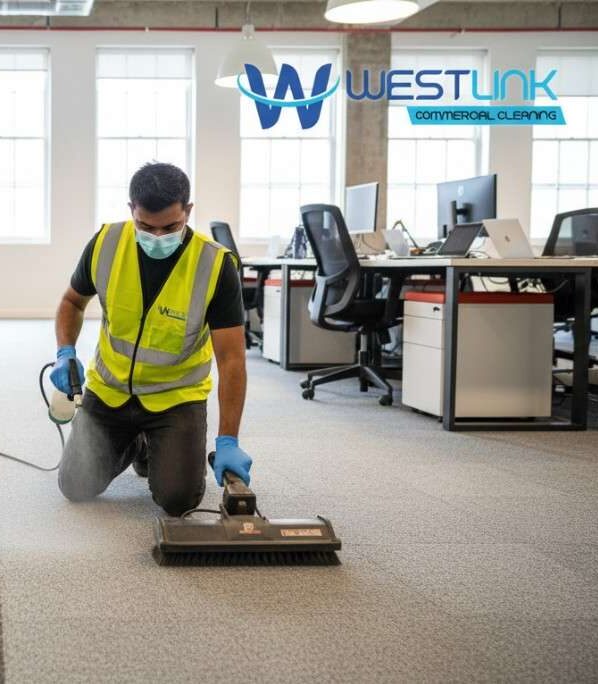
Simple selection logic customers can follow
If you want a quick way to decide, use this:
- If you want low odour and a practical, everyday option: go with water-based polymer protectors.
- If you deal with frequent spills and want maximum repellency: consider fluorochemical-based protectors, and ask questions if PFAS concerns matter to you.
- If you are thinking DIY aerosol indoors: pause and check the SDS first. In many indoor settings, a professional water-based application is the safer and cleaner path.
If you want, share the type of space (home, office, rental, childcare, restaurant seating area) and the main spill risks, and I’ll suggest the most suitable category plus the key questions to ask before booking.
When is carpet protection treatment worth paying for?
Protection is not for everyone. It is for people who want longer clean cycles and easier spot response.
It is usually worth it if you have:
- kids, pets, or frequent entertaining
- dining areas, playrooms, stairs, hallways, entry zones
- rentals, end-of-lease turnover pressure
- offices with high foot traffic, rolling chairs, visitor waiting areas
- hospitality settings where stains and odours turn into reviews
It might be optional if:
- the area is low traffic and shoes are rarely worn indoors
- you plan to replace carpet soon
- you mainly need a one-time refresh, not maintenance performance
Clean, Rinse, Protect: The 7-Step Method That Makes Protection Work
Carpet protection is only as good as the preparation underneath it. A proper job is not just “spray and done.” It is a controlled process that removes soil, avoids residue, matches chemistry to the fibre, and applies the protector at the right coverage so it performs well without changing how the carpet feels.
Here is the step-by-step method, explained in a clear, practical way.
Step 1: Inspect the carpet and identify fibre type and risks
A good technician starts by working out what the carpet is made of and what problems need to be managed.
They check:
- Fibre type: wool, nylon, polyester, or blends
- Pile style: cut pile, loop pile, twist, plush, etc.
- Existing stains and wear: traffic lanes, sticky spots, drink spills, pet marks
- Risk factors: colour sensitivity, previous DIY products, residue buildup, shrink risk on some constructions
This step matters because fibre type and pile style influence:
- Which cleaning chemistry is safe
- How much agitation is appropriate
- How much moisture can be used
- How likely a stain is to respond to treatment
Step 2: Dry soil removal with high-performance vacuuming
Dry soil removal is often underestimated, but it is one of the biggest reasons protection fails early.
Grit and fine dust act like sandpaper. If it stays in the pile:
- It wears fibres faster
- It reduces how evenly the protector can sit on the fibres
- It makes the carpet re-soil quickly even after protection
Important point: a protector cannot “fix” grit left behind. It needs a clean base.
Step 3: Pre-treat using eco-friendly, fibre-safe chemistry
Next comes targeted pre-treatment. This is where the cleaner focuses on the stuff vacuuming cannot remove.
Pre-treatment is aimed at:
- Body oils and oily soil
- Traffic film buildup
- Food and drink marks
- Isolated spots that need extra attention
The key is using fibre-safe, eco-minded chemistry and giving it the right dwell time. If you rush this step, you either leave soil behind or you over-agitate trying to compensate later.
Step 4: Deep clean and rinse until no sticky residue remains
This is the make-or-break stage.
The goal is not only to lift dirt, but also to rinse away cleaning agents and loosened soil so the fibres are left clean and neutral.
If sticky residue is left behind:
- It attracts new dirt quickly
- The protector may not perform evenly
- The carpet can look dull or “dirty again” fast
A proper deep clean with a thorough rinse is what allows the protector to do its job.
Step 5: Apply protector evenly at the correct coverage rate
Protection needs the right amount applied in the right way.
- Too little: weak performance, patchy protection, spills soak in quickly
- Too much: stiffness, uneven finish, and in some cases a “crunchy” feel or visible shading
A professional approach focuses on:
- Even passes
- Consistent coverage
- Correct application rate for the carpet type and pile
Step 6: Groom and set the fibres
Grooming is not just for looks. It helps the protector distribute through the pile and keeps the finish consistent.
Grooming:
- Spreads the treatment evenly
- Reduces streaks and application lines
- Helps the carpet dry in a more uniform way
- Keeps the pile looking natural rather than flattened
Step 7: Cure time and clear aftercare instructions
The job is not finished until the customer knows how to protect the protection.
After application, the carpet needs time to cure properly.
Typical aftercare guidance includes:
- Keep foot traffic light until fully dry
- Use airflow (fans or ventilation) to speed drying
- Avoid over-wetting during the first clean, because heavy moisture too soon can reduce early performance
- Continue basic maintenance like vacuuming and quick spill blotting
Why this process lasts longer than “quick spray” jobs When each step is done properly, you get: Better stain resistance Easier spot cleaning More consistent results across the whole carpet Less rapid re-soiling from residues A finish that feels normal underfoot
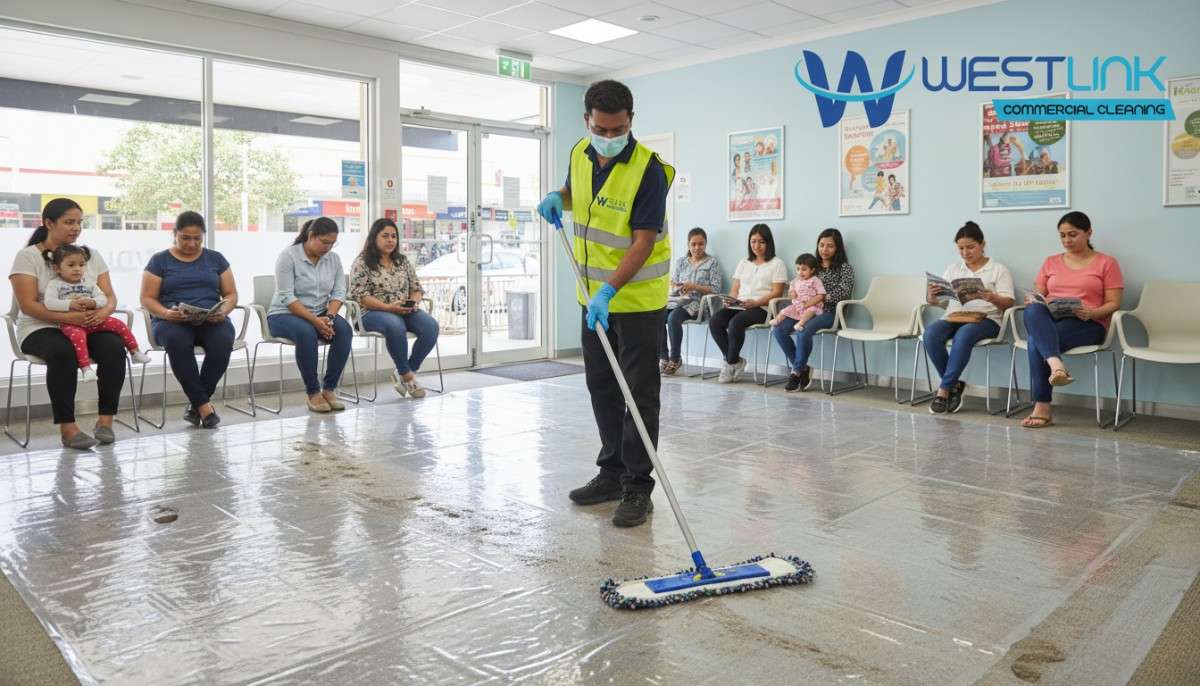
How long does carpet protection last?
A realistic range depends on traffic, maintenance, and cleaning interval. One professional reference notes that when applied correctly, protection typically performs around 6 to 12 months, aligning with typical re-clean cycles.
How to make carpet protection last longer
Carpet protection works best when you treat it like a support layer, not a shield that lets you ignore maintenance. The good news is that a few simple habits can dramatically extend how long the protection keeps working.
Vacuum consistently, especially in traffic lanes
Most wear happens where people walk the most. Regular vacuuming removes the gritty particles that grind into fibres and break down the protective layer faster. Focus on entry paths, hallways, desk areas, and around seating.
Use entrance mats and change them seasonally
Mats are your first line of defence. They catch grit, dust, and moisture before it reaches the carpet. In wetter seasons, you may need more absorbent mats and more frequent cleaning or replacement. In drier seasons, mats still help by trapping fine dust that would otherwise settle into the pile.
Blot spills fast, do not scrub
Protection gives you time, but only if you act quickly. Blotting lifts liquid up and out. Scrubbing pushes spills deeper and can spread the stain area. Use a clean cloth, press gently, and swap to a dry section as it absorbs.
Avoid DIY soaps that leave residue
Many household detergents leave a sticky film that attracts soil. That residue can make protected carpets look dirty faster and can reduce how well future spot cleaning works. If you must use a cleaner, choose one designed for carpets and follow dilution instructions.
Book maintenance cleans before the carpet looks “grey”
Waiting until the carpet looks dull or grey usually means soil has built up deep in the fibres. At that stage, it takes more work to restore the look and the protector may already be worn down in key areas. Maintenance cleans on a sensible schedule keep the carpet brighter, extend protection life, and often cost less than “rescue” cleans.
Why do businesses pay for Carpet Cleaning protection?
For workplaces, the value of carpet protection is not only “fewer stains.” The real benefit is operational. It helps you control how fast carpets look tired, how often you need urgent call-outs, and how predictable your cleaning routine becomes. In simple terms, carpet protection is a maintenance control tool, not a luxury add-on.
What carpet protection helps with in commercial spaces
Faster spot response for cleaners
Spills tend to sit closer to the surface for longer. That gives your cleaners a better chance to blot and remove marks quickly before they set into the fibres. It also makes day-to-day spot cleaning more effective.
Better appearance retention in traffic lanes
High-traffic areas wear and dull faster because dirt and oils build up and grind into the pile. Protection helps reduce how strongly soil bonds to fibres, so carpets keep a cleaner look for longer, especially in walkways, entries, and around workstations.
Fewer emergency stain call-outs
When spills are easier to manage, you usually get fewer “please come today” situations. That reduces disruption and can lower reactive cleaning costs over the year.
More predictable maintenance scheduling
Instead of waiting until carpets look grey or patchy, protection supports a planned schedule. You can time maintenance cleans around site operations, budgets, and busy periods, rather than being forced into urgent cleans.
Stronger customer-facing presentation
Clean, well-kept carpets influence how a workplace feels. Reception areas, meeting rooms, showrooms, and corridors all look more professional when carpet appearance holds up between cleans.
The takeaway for decision-makers
Carpet protection is a practical way to protect your cleaning investment. It supports consistent presentation, reduces surprise problems, and makes carpet maintenance easier to manage across the year.
Simple commercial maintenance schedule (easy to follow)
For light traffic areas like small offices, vacuum the carpet 2 to 3 times per week and deal with spots as needed. Plan a full deep clean every 6 to 12 months to keep the fibres fresh and stop soil from building up in the pile.
For medium traffic spaces such as busy offices and strata corridors, vacuum daily or every second day to control grit in walkways. Do a quick weekly spot clean to prevent marks from setting, and schedule a deep clean every 3 to 6 months to maintain appearance and hygiene.
For heavy traffic zones like retail floors, waiting rooms, and high footfall entries, vacuum daily and do daily spot checks so spills are handled immediately. Add maintenance cleans monthly to quarterly based on how quickly traffic lanes dull, and book a deep clean every 2 to 4 months, adjusting for spill frequency and soil load.
Pricing logic for carpet cleaning and protection
Instead of throwing out random prices, it is better to explain what actually drives the quote. Carpet work is priced based on time, equipment, chemistry, and site conditions. When customers understand the cost drivers, they trust the quote more and compare services more fairly.
Here are the factors that typically affect pricing:
Total area (square metres) or number of rooms
Bigger areas take longer to vacuum, pre-treat, rinse, extract, and protect. For commercial sites, open-plan square metres are usually the most accurate way to price.
Fibre type and carpet construction
Different fibres need different chemistry and handling. Wool often needs more care, especially around pH choice, moisture control, and agitation. That can change the time needed and the products used.
Stain load and spot-treatment requirements
A lightly soiled carpet is not the same as a carpet with heavy traffic lanes, food and drink spills, or oily buildup. More stains usually mean more pre-treatment, more passes, and more detail work.
Access and operating constraints
Stairs, tight lifts, limited parking, long carry distances, security check-ins, and restricted access can all add time. After-hours work can also affect pricing because of staffing and scheduling.
Drying speed requirements
If you need the carpet dry fast, it may require extra steps such as stronger extraction, controlled moisture methods, better airflow setup, or air movers. Faster dry times usually mean more equipment and more setup effort.
Commercial downtime expectations
Some workplaces need minimal disruption: staged work zones, quieter equipment timing, safety signage, and a plan that fits around staff and customers. That coordination can influence the quote, but it also reduces operational headaches.
Conclusion
Carpet Cleaning is worth it when you want carpets to stay cleaner for longer, not just look good for a day or two. The best results come from residue-free cleaning first, then a quality protector applied evenly and allowed to cure properly. In homes and workplaces, this approach makes spills easier to manage, keeps traffic lanes looking better between cleans, and supports a more predictable maintenance schedule. If you want protection that actually performs, choose clear product standards, transparent SDS access, and a process that prioritises proper rinsing and controlled drying.
Frequently Asked Questions
Is the protector water-based or aerosol/solvent delivered?
In most commercial settings, we prefer water-based protectors because they are easier to apply evenly indoors and usually have a lower odour profile. Aerosol or solvent-delivered products can require stricter ventilation and handling, so we only use them when a specific situation calls for it and the site conditions allow safe application.
Can you provide the SDS for the protector and spotters?
Yes. You can request the Safety Data Sheet (SDS) for the protector and any spot-treatment products before we start. The SDS explains key safety details like handling guidance, ventilation, and first-aid information.
What is your rinse process to prevent sticky residue?
We focus on thorough rinse and extraction, not just “making it look clean.” The goal is to remove soil and cleaning agents fully, so fibres are left residue-free. This step matters because sticky residue can attract new dirt and reduce how well protection performs.
Do you treat traffic lanes differently from low-use rooms?
Yes. Traffic lanes collect more oils and grit, so they usually need more detailed pre-treatment, agitation, and extra extraction passes. Low-use rooms often need less intensive work. This approach improves appearance consistency and helps protection last longer in the areas that matter most.
What is the expected dry time and “back in service” time?
Dry time depends on carpet type, humidity, airflow, and how much soil is being removed. Most commercial carpets are ready for light foot traffic once dry, and we can improve turnaround by using airflow and controlled moisture methods. If you have a strict reopening deadline, tell us upfront so we can plan the drying strategy.
What stains are realistic to improve, and what stains are not?
Many common stains can improve significantly, especially fresh spills, traffic film, and many food and drink marks. Some stains can be permanent, such as bleaching, dye loss, heat damage, and some set-in dye stains. We will inspect first and give you an honest expectation before starting.
Do you offer fragrance-free product options?
Yes. We can use fragrance-free or low-odour options where available, which is helpful for offices, clinics, childcare settings, and anyone with sensitivities. If fragrance is a concern, mention it when booking so we can plan the product selection.
What aftercare do you recommend for the first 7 days?
For the first week, the goal is to protect the fresh clean and help the protector perform well:
- Keep traffic light until fully dry
- Use ventilation or fans to speed drying
- Blot spills quickly, do not scrub
- Avoid DIY soaps or sticky spotters
- Vacuum normally once dry, focusing on traffic lanes
How long should protection perform in my traffic conditions?
Performance depends on foot traffic, spill frequency, vacuuming habits, and entry mat use. In general, protection lasts longer in low-traffic areas and wears faster in entries and corridors. We can estimate a realistic window after we see your traffic level and carpet condition.
Can you bundle a maintenance plan (quarterly or biannual)?
Yes. Many businesses choose a quarterly or biannual plan to keep traffic lanes looking consistent and to reduce emergency call-outs. A maintenance plan is often the most cost-effective way to keep carpets presentable year-round, especially in customer-facing areas.