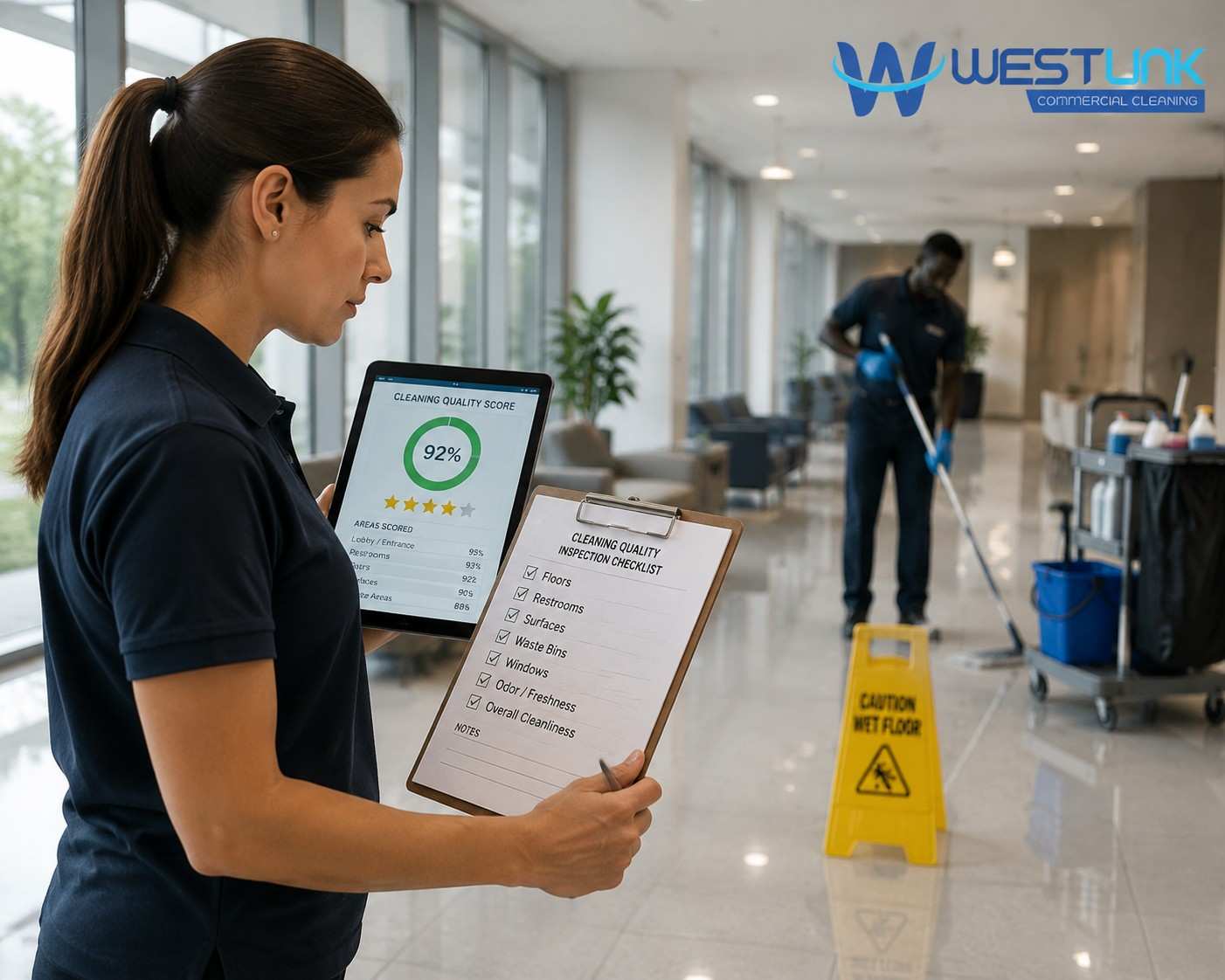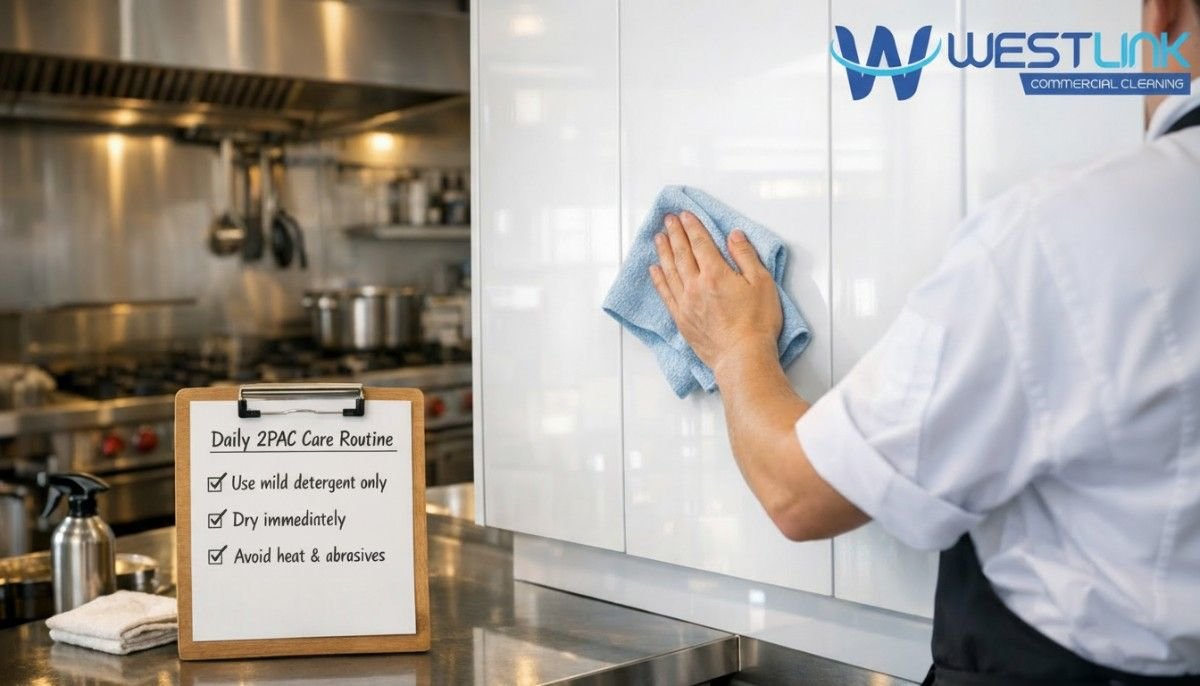
Grout lines play a critical role in the appearance and hygiene of tile floors, especially in commercial environments. Over time, grout absorbs dirt, moisture, grease, and bacteria, causing floors to look dull and unhygienic. In high-traffic commercial spaces such as offices, restaurants, retail stores, and healthcare facilities, dirty grout can negatively impact safety, cleanliness standards, and overall presentation.
Proper grout cleaning restores the original appearance of tiled floors, improves hygiene, and extends the lifespan of both tiles and grout. Using the right techniques, tools, and products ensures effective grime removal without
damaging tile surfaces or weakening grout structure.
Daily and Routine Maintenance
Regular sweeping or dust mopping removes loose debris that can settle into grout lines. This simple step prevents dirt buildup and reduces the need for aggressive cleaning.
Manual Grout Cleaning
For light to moderate soiling, apply a grout-safe cleaner and gently scrub grout lines using a soft-bristle brush. Avoid excessive pressure to prevent grout erosion.
Deep Grout Cleaning for Heavy Grime
Heavily soiled commercial floors benefit from deep cleaning using low-pressure scrubbers or professional-grade equipment. This method lifts embedded grime without damaging tiles.
What Is Grout on Tile Floors and Why Does It Get Dirty?

Grout is a porous material used to fill the joints between tiles, helping stabilize the flooring and prevent moisture from seeping underneath. Unlike tile surfaces, grout absorbs liquids, dirt, and bacteria easily, which makes it more susceptible to staining, discoloration, and hygiene issues—especially in commercial environments.
Constant Foot Traffic
In commercial buildings, continuous foot traffic tracks in dirt, dust, and moisture. These contaminants settle into grout lines and gradually cause darkening and wear.
Food Spills, Oils, and Grease
Commercial kitchens, cafés, and dining areas expose grout to grease and food residue. These substances penetrate deeply into the grout, making stains difficult to remove without deep cleaning.
Cleaning Product Residue Buildup
Using incorrect or excessive cleaning products can leave residue behind. This residue attracts dirt and causes grout to look dull or sticky over time.
High Humidity and Poor Ventilation
Moist environments such as restrooms and kitchens promote mold and mildew growth in grout lines. Poor airflow allows moisture to remain trapped, accelerating discoloration.
Infrequent Deep Cleaning
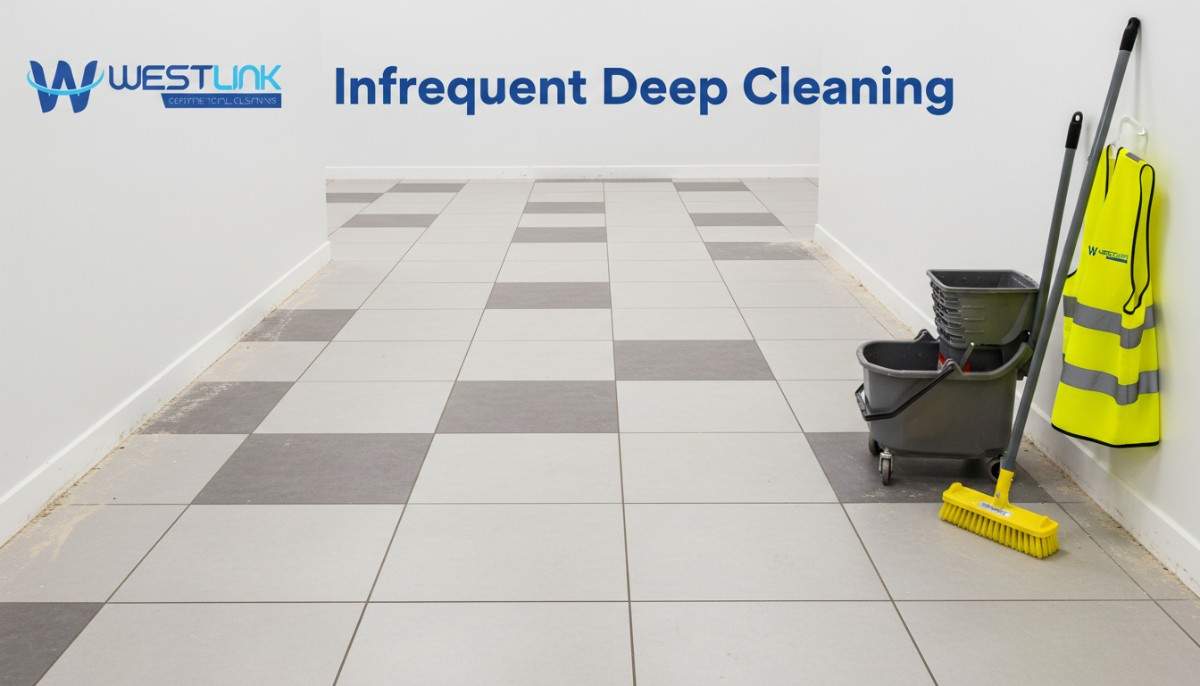
Without periodic professional deep cleaning, contaminants continue to build up inside grout pores. Over time, this leads to permanent staining and hygiene concerns.
Why Proper Grout Cleaning Matters in Commercial Spaces
Proper grout cleaning goes beyond visual appeal and plays a critical role in hygiene, safety, and floor durability. In commercial environments such as restrooms, kitchens, healthcare facilities, and food preparation areas, dirty grout can trap bacteria, mold, and allergens, creating health risks and unpleasant odors.
Restore a Clean, Professional Appearance
Clean grout instantly improves the overall look of tiled floors. Bright, well-maintained grout lines help commercial spaces appear cleaner, more organized, and professional.
Improve Hygiene and Indoor Air Quality
Regular grout cleaning removes bacteria, mold spores, and allergens trapped within porous grout. This contributes to healthier indoor air quality for employees, customers, and visitors.
Reduce Slip Hazards
Grease, residue, and moisture buildup in grout can create slippery surfaces. Proper cleaning helps maintain traction and reduces the risk of slip-and-fall incidents in high-traffic areas.
Prevent Grout Erosion and Tile Loosening
Embedded dirt and harsh residues weaken grout over time. Routine cleaning protects grout integrity and helps prevent tiles from becoming loose or uneven.
Lower Long-Term Maintenance and Replacement Costs
Consistent grout maintenance reduces the need for costly repairs or full tile replacement. Clean, protected grout extends floor lifespan and lowers long-term upkeep expenses.
How to Deep Clean Tile Floors in Commercial Buildings
Deep cleaning tile floors in commercial buildings is necessary to remove embedded dirt, grease, bacteria, and stains that routine sweeping or mopping cannot eliminate. In high-traffic environments such as offices, retail stores, healthcare facilities, and hospitality spaces, soil accumulates quickly in grout lines and textured tiles. A structured deep-cleaning process restores appearance, improves hygiene, and helps maintain safety standards.
Key steps involved in deep cleaning commercial tile floors include:
Dry soil removal to eliminate loose dirt and debris that may scratch tile surfaces
Application of commercial-grade, pH-neutral cleaners to break down grease and grime without damaging tiles or grout
Mechanical scrubbing using low-speed floor machines or grout brushes to lift embedded contaminants
Extraction of dirty solution with wet-dry vacuums or auto-scrubbers to prevent residue buildup
Rinsing and thorough drying to reduce slip hazards and prevent moisture-related issues, as outlined in practical cleaning procedures from university extension resources like Purdue Extension – Cleaning & Disinfecting Floors
Tile vs. Grout Cleaning: What Needs More Maintenance?
While both tiles and grout contribute to the overall appearance of a tiled floor, grout requires significantly more maintenance in commercial environments. Tile surfaces are typically sealed, smooth, and resistant to staining, making them easier to clean with routine sweeping and mopping. Grout, on the other hand, is porous and absorbs dirt, moisture, grease, and bacteria much more quickly.
Key differences in maintenance needs include:
- Tile surfaces resist stains and are easier to maintain with regular cleaning
- Grout lines absorb contaminants and discolor faster, especially in high-traffic areas
- Grout requires deep cleaning more frequently to remove embedded dirt and bacteria
- Tiles maintain appearance longer, while grout often dulls first
- Sealing is more critical for grout to prevent moisture penetration and staining, as recommended by the National Tile Contractors Association (NTCA)
How to Remove Tough Grease Stains from Commercial Kitchen Floors

Removing tough grease stains from commercial kitchen floors is critical for maintaining hygiene, safety, and compliance with food safety standards. Commercial kitchens experience constant exposure to oils, fats, and food residue, which can quickly penetrate tile and grout surfaces if not addressed properly. Routine cleaning alone is often not enough to remove heavy grease buildup, making targeted deep cleaning essential.
An effective grease removal process includes:
Pre-sweeping or dry soil removal to eliminate loose debris before wet cleaning
Use of degreasing, pH-balanced commercial cleaners designed specifically for kitchen floors
Allowing proper dwell time so cleaners can break down thick grease deposits
- Mechanical scrubbing using soft-bristle brushes or low-speed floor machines to lift embedded grease
- Thorough rinsing and extraction to remove residue and prevent slippery surfaces, consistent with kitchen floor care advice from Australian industry guidelines at Master Builders Association – Cleaning & Maintenance
How Often Should Tile and Grout Be Professionally Cleaned?
The frequency of professional tile and grout cleaning depends on foot traffic, the type of commercial environment, and the level of soiling. While routine daily cleaning helps control surface dirt, professional deep cleaning is essential to remove embedded grime, bacteria, and stains that regular mopping cannot eliminate. Scheduling professional cleaning at the right intervals helps maintain hygiene, safety, and the long-term condition of tiled floors.
Recommended professional cleaning frequency includes:
High-traffic commercial areas (shopping centers, restaurants, healthcare facilities): every 3–6 months
Moderate-use spaces (offices, schools, retail stores): every 6–12 months
Low-traffic areas (storage rooms, private offices): annually or as needed
Commercial kitchens and restrooms: more frequently due to grease, moisture, and hygiene requirements, aligning with guidelines from flooring maintenance resources such as those from the Tile Council of North America (TCNA)
Safe Grout Cleaning Tips for Commercial Floors
Use pH-Neutral Cleaners
pH-neutral solutions clean effectively without weakening grout or damaging tile finishes.
Choose Soft Brushes
Soft-bristle brushes reach deep into grout lines while preventing surface scratches.
Rinse Thoroughly
Residue left behind can attract more dirt. Always rinse and dry floors after cleaning.
Dry the Floor Completely
Moisture trapped in grout encourages mold growth and staining.
Common Causes of Grout Discoloration
Grout discoloration occurs gradually as contaminants become trapped within the porous grout material. In commercial spaces, constant use and environmental factors accelerate staining, making grout lines appear dark, uneven, or dirty even when tiles are clean.
Embedded Dirt and Soil from Daily Foot Traffic
High foot traffic in commercial buildings tracks dirt, dust, and grit into grout lines. These particles become embedded over time, causing grout to darken and lose its original color.
Grease and Food Residue
Commercial kitchens, cafés, and dining areas expose grout to oils and food spills. Grease penetrates deep into the grout, leading to stubborn stains and unpleasant odors.
Moisture Exposure in Restrooms and Entryways
Areas exposed to frequent moisture encourage mold and mildew growth. Without proper drying, grout absorbs water and becomes discolored.
Improper Cleaning Products
Harsh or incorrect cleaners can leave residue behind. This residue attracts more dirt, making grout appear dull or sticky.
Lack of Scheduled Deep Grout Cleaning
Without periodic professional cleaning, contaminants continue to build up in grout pores. Over time, this results in permanent discoloration that routine cleaning cannot fix.
Best Tools and Products Used for Grout Cleaning
Using the correct tools and products is essential for effective grout cleaning in commercial environments. Proper equipment removes embedded dirt while protecting grout integrity and surrounding tile surfaces.
Grout-Safe pH-Neutral Cleaners
pH-neutral cleaners effectively break down dirt and grease without damaging grout or tile finishes. They are safe for frequent use in commercial buildings and help prevent residue buildup.
Soft-Bristle Grout Brushes
Soft-bristle brushes reach deep into grout lines without causing abrasion. They loosen embedded contaminants while preserving the grout’s structure.
Microfiber Mops and Cloths
Microfiber tools trap dirt and moisture efficiently. They reduce streaking and help maintain clean grout between deep-cleaning cycles.
Low-Speed Floor Scrubbers
Low-speed scrubbers provide consistent agitation for large commercial areas. They improve cleaning efficiency while minimizing wear on grout and tiles.
Wet-Dry Vacuums
Wet-dry vacuums remove dirty solution and excess moisture after scrubbing. This helps prevent residue, reduces slip hazards, and speeds up drying time.
What to Avoid When Cleaning Tile Grout
Improper methods can permanently damage grout and tiles. Avoid:
- Acidic cleaners like vinegar or citrus solutions
- Bleach or ammonia-based products
- Steel wool or abrasive pads
- Excessive water saturation
- Steam cleaning on weakened grout
These practices cause erosion, discoloration, and grout failure.
DIY Grout Cleaning Solutions (Use with Caution)
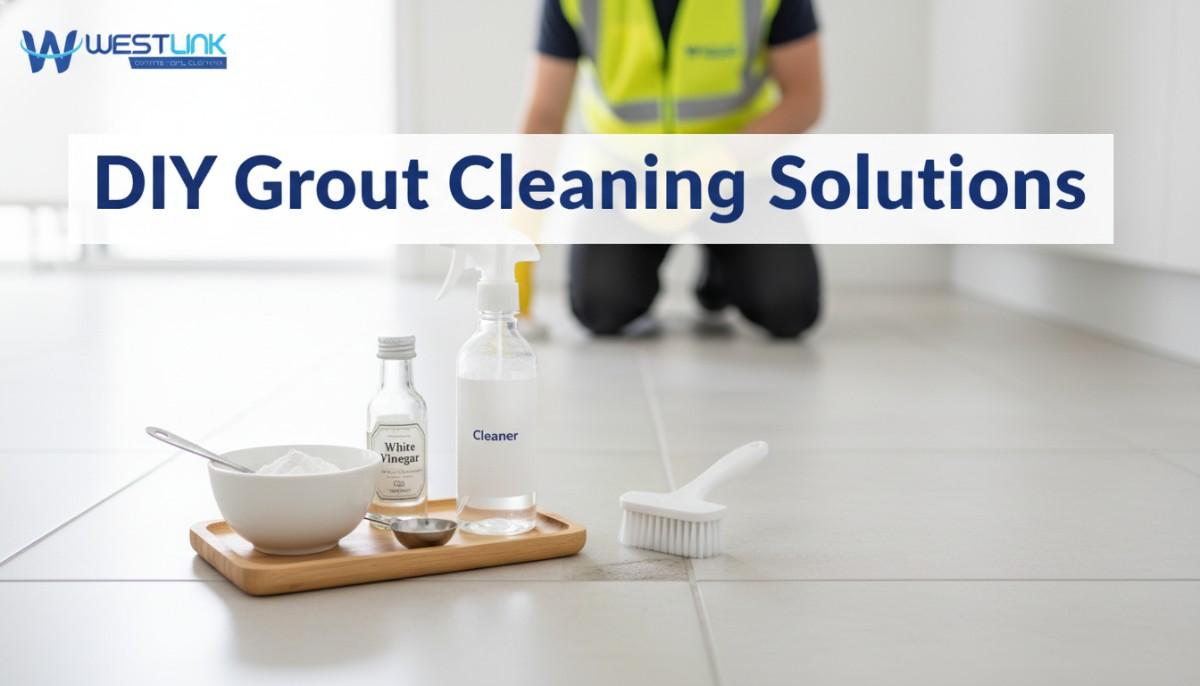
While DIY grout cleaning can be useful for light maintenance, commercial tile floors often accumulate heavy soil, grease, and bacteria that require professional-grade solutions. Using home remedies incorrectly may damage grout or leave residue behind, so caution is essential.
Baking Soda Paste
A gentle baking soda paste can lift minor stains from grout without abrasion. Apply it with a soft brush to avoid scratching tile surfaces or damaging grout lines.
Mild Detergent and Warm Water
For light cleaning, a few drops of mild detergent mixed with warm water can remove surface dirt and grime. This method is best suited for low-traffic or lightly soiled areas in commercial buildings.
Spot Testing
Always test DIY cleaning solutions in an inconspicuous area first. This ensures that the product does not discolor grout, damage tiles, or react with sealers.
Limitations for Commercial Floors
DIY methods work well for small-scale or minor maintenance, but high-traffic commercial floors often require professional cleaning equipment and pH-balanced products to achieve hygienic, long-lasting results.
Benefits of Regular Grout Cleaning
Maintains a Professional Appearance
Clean grout enhances the overall look of tiled floors and reflects positively on your business.
Improves Hygiene
Removing bacteria and allergens supports healthier indoor environments.
Extends Floor Lifespan
Proper care prevents grout breakdown and tile loosening.
Reduces Slip Risks
Clean grout removes grease and residue that cause accidents.
Lowers Long-Term Costs
Preventive maintenance reduces expensive restoration or replacement.
When to Hire Professional Grout Cleaning Services
Professional cleaners use specialized equipment and low-residue products to restore grout safely and efficiently. This is especially important for:
- Large commercial properties
- Food service and healthcare facilities
- Heavily stained or neglected grout
Professional services deliver consistent, long-lasting results with minimal disruption.
FAQs: Grout Cleaning on Tile Floors
Q1: Can grout be restored to its original color?
Yes, with proper deep cleaning and sealing, grout can look nearly new.
Q2: Is bleach safe for grout cleaning?
No. Bleach weakens grout and causes discoloration over time.
Q3: How do I keep grout clean longer?
Regular cleaning and applying a grout sealer help prevent staining.
Q4: Is steam cleaning safe for grout?
Steam may damage weakened grout and is not recommended for frequent use.
Q5: Do commercial floors need professional grout cleaning?
Yes. High-traffic environments benefit from scheduled professional maintenance.