Strata properties are becoming increasingly common in modern cities, especially in commercial complexes, and mixed-use developments. With multiple occupants sharing common areas, maintaining cleanliness is not just about appearance—it’s about safety, hygiene, and property value.
This is where strata cleaning comes in.
But what exactly is strata cleaning? What does it include, and why is it essential for property managers, business owners, and residents?
In this complete guide, we’ll break down everything you need to know—from included services and key benefits to costs and how to choose the right cleaning provider.
What Is Strata Cleaning?
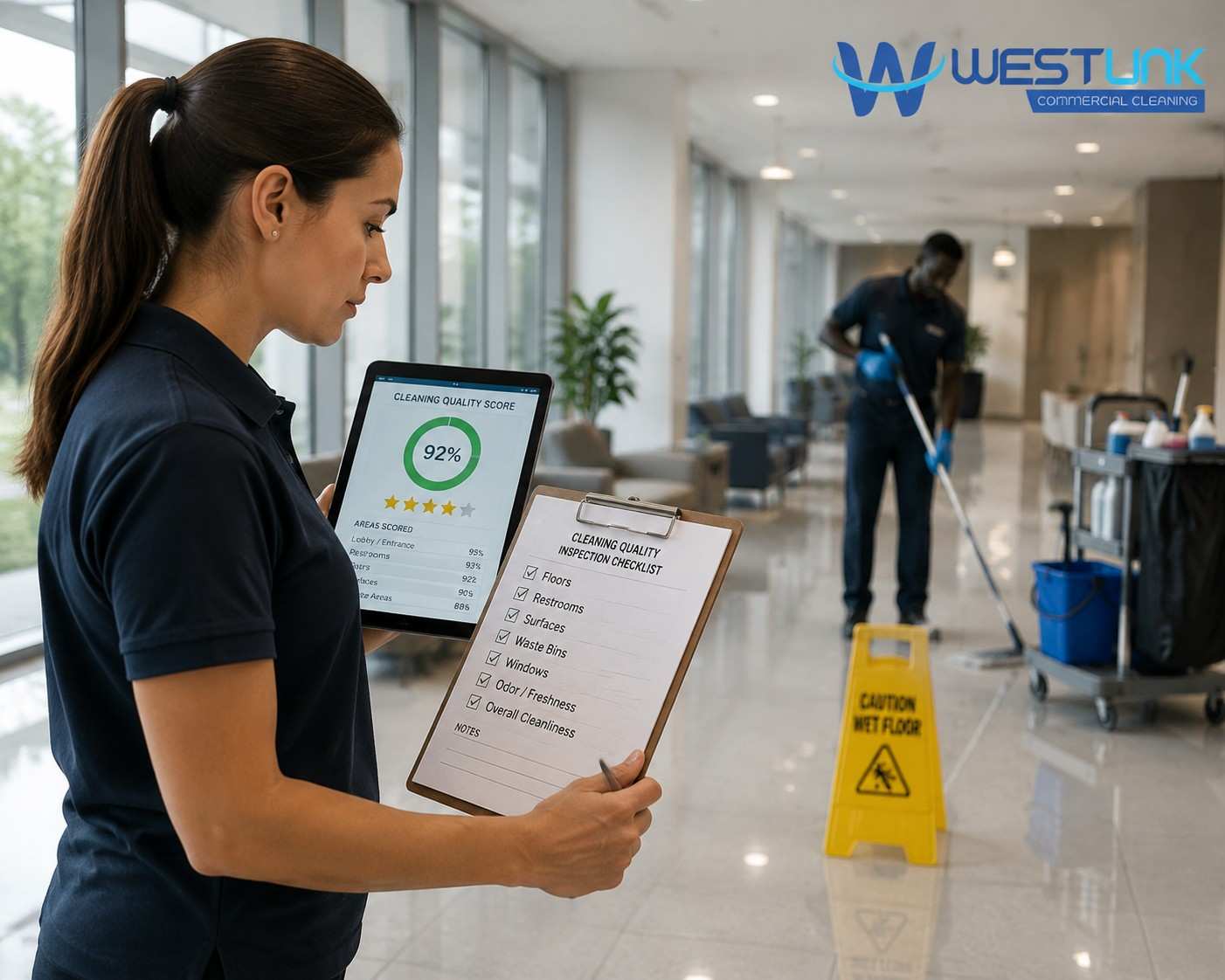
Strata cleaning is a specialised cleaning service designed for properties where multiple people share the same building or space. Instead of focusing on private units like individual apartments or offices, it targets the common areas that everyone uses daily.
These shared spaces are part of what’s known as strata-titled properties, where ownership is divided between individual units and shared facilities. Because many people use these areas, they tend to get dirty much faster and require regular professional attention.
Why Professional Strata Cleaning Is Needed
Since these spaces are used by residents, employees, and visitors, maintaining them is not just about appearance—it’s about health, safety, and comfort.
Professional strata cleaning ensures:
- Consistency: Regular cleaning schedules keep spaces looking clean at all times
- Hygiene: Proper disinfection reduces the spread of germs and bacteria
- Safety: Clean floors and clear pathways help prevent accidents
- Presentation: A well-maintained building creates a positive impression
This is why many property managers choose to work with experienced providers like Westlink Commercial Cleaning, who understand the unique demands of strata environments and deliver reliable, high-quality results while helping buildings maintain proper hygiene and safety standards in shared Australian properties.
Why Strata Cleaning Is Important
Strata cleaning goes far beyond basic tidiness. In shared properties, where multiple people use the same spaces every day, cleanliness directly impacts health, safety, reputation, and long-term property value. Without a proper cleaning system in place, even the most well-designed buildings can quickly lose their appeal and functionality.
Let’s break down why strata cleaning is so important:
1. First Impressions Matter
The appearance of common areas plays a major role in how a property is perceived. When someone enters a building—whether it’s a guest, client, or potential buyer—the entrance, lobby, and hallways are the first things they notice.
A clean and well-maintained space:
- Creates a sense of professionalism and care
- Builds trust with visitors and clients
- Makes residents feel proud of where they live or work
On the other hand, dirty floors, smudged glass, or unpleasant odors can instantly create a negative impression, no matter how good the rest of the property is.
2. Health and Hygiene
Shared spaces are high-traffic zones where germs and dirt spread quickly. Every day, multiple people touch surfaces like door handles, elevator buttons, handrails, and shared facilities.
Without regular cleaning, these areas can become breeding grounds for bacteria and viruses that spread illness, dust and allergens that affect air quality, and mold and mildew caused by moisture buildup. Proper sanitisation of high-touch surfaces in common areas plays a key role in reducing these health risks, especially in multi-unit residential and commercial buildings across Australia.
- Bacteria and viruses that spread illness
- Dust and allergens that affect air quality
- Mold and mildew caused by moisture buildup
Professional strata cleaning ensures that these risks are minimized through proper sanitization and cleaning techniques. This is especially important in residential buildings and workplaces where people spend long hours.
3. Property Value Protection
A property is a long-term investment, and its condition directly affects its market value. Regular strata cleaning helps preserve the building’s appearance and structure over time, as supported by research on strata-titled property maintenance in Australian cities.
Clean and well-maintained properties:
- Attract higher-quality tenants or buyers
- Retain their value in competitive markets
- Avoid costly repairs caused by neglect
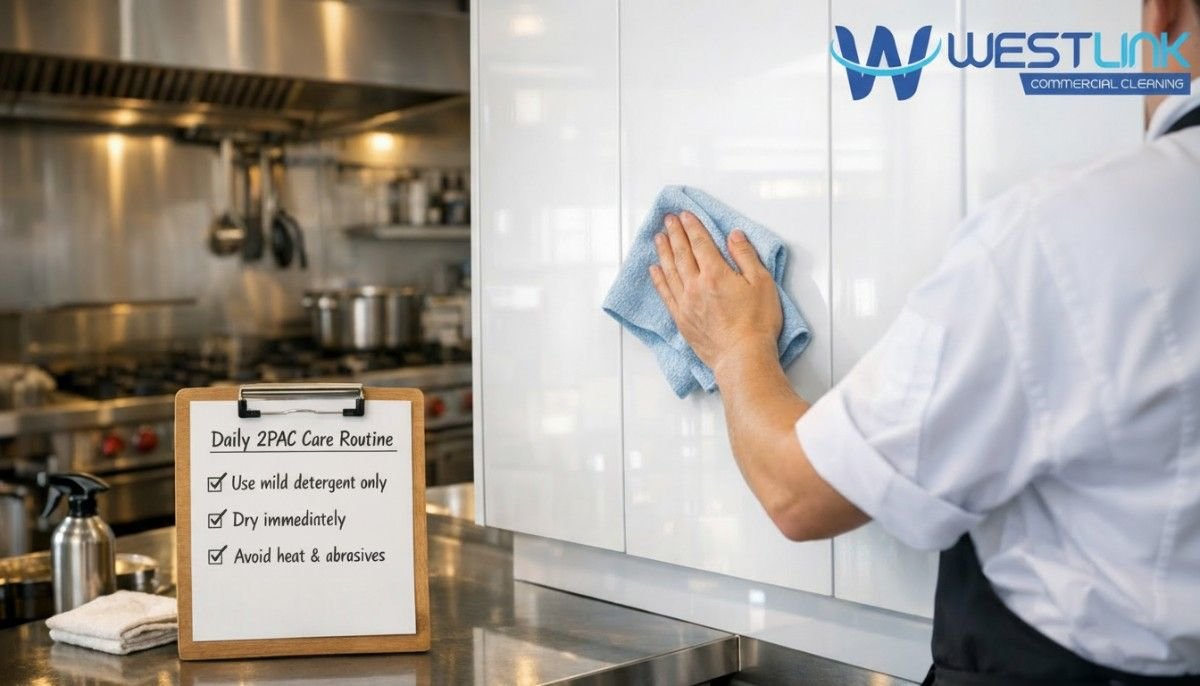
For example, dirt buildup, stains, or moisture issues can damage surfaces like carpets, tiles, and walls if not addressed early. Routine cleaning prevents these problems and extends the lifespan of materials.
4. Safety Compliance
Safety is a critical concern in any shared environment. Poorly maintained areas can lead to accidents and even legal liabilities.
Strata cleaning helps reduce risks by:
- Keeping floors clean and dry to prevent slips
- Ensuring walkways and exits are clear
- Removing debris or hazards from common areas
- Maintaining proper sanitation in shared facilities
Many buildings are also required to meet certain health and safety standards. Regular professional cleaning helps ensure compliance and reduces the risk of complaints or penalties.
5. Resident Satisfaction
A clean environment has a direct impact on how people feel about a property. Residents and employees are more comfortable and satisfied when their surroundings are well-maintained.
Benefits include:
- Better living and working conditions
- Fewer complaints about cleanliness
- Increased sense of community pride
- Higher tenant retention rates
When people consistently see clean hallways, fresh-smelling spaces, and well-kept facilities, it creates a more positive and enjoyable experience overall.
Final Insight
In simple terms, strata cleaning is not just a routine task—it’s a key part of property management. It supports everything from daily comfort to long-term investment protection.
This is why many property managers rely on experienced providers like Westlink Commercial Cleaning, ensuring that every shared space is maintained to a high standard, consistently and professionally.
What Does Strata Cleaning Include?
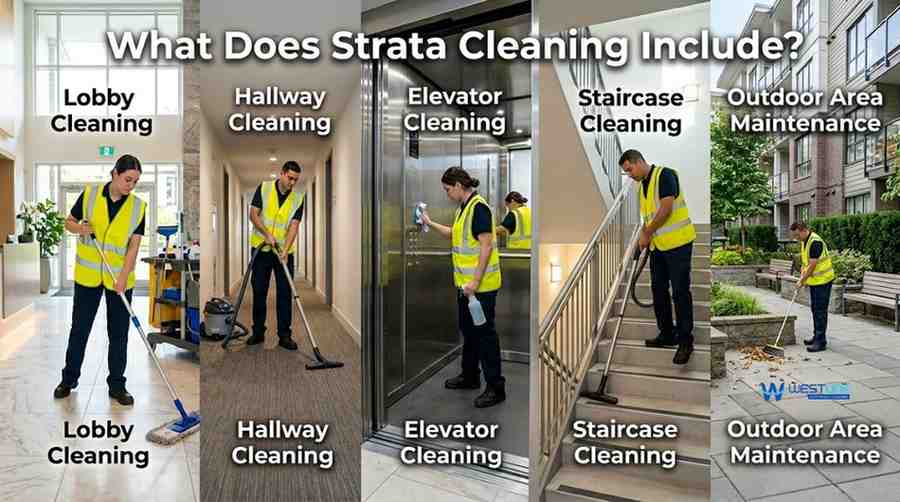
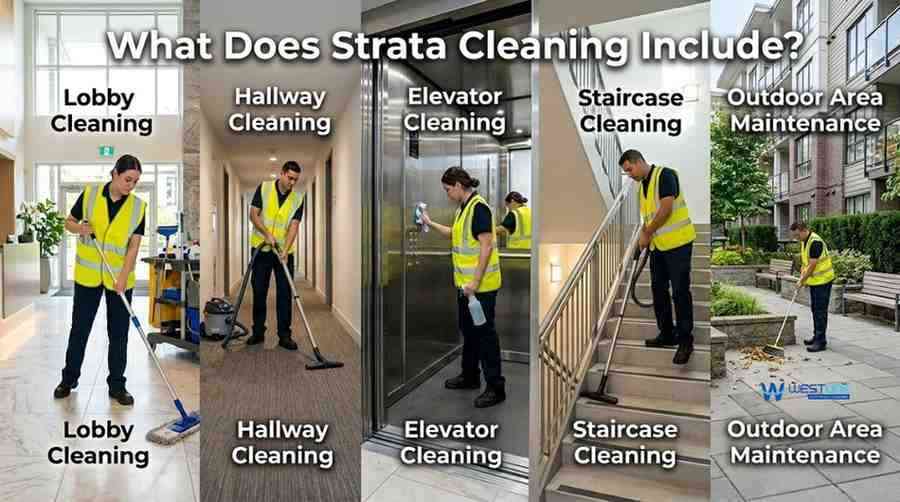
Strata cleaning services can vary depending on the size, layout, and type of property, but most professional providers follow a structured approach to ensure every shared area is properly maintained.
These services are designed to handle high-traffic zones efficiently, combining routine cleaning with periodic deep maintenance to keep the property in top condition.
Let’s break down each area in detail:
1. Entrance and Lobby Cleaning
The entrance and lobby are the face of the building, setting the tone for visitors, residents, and clients. Keeping this area spotless is essential for creating a strong first impression.
What’s included:
- Sweeping and mopping floors
- Cleaning glass doors and panels
- Dusting furniture and fixtures
- Sanitizing high-touch surfaces like door handles and reception areas
Steps to clean:
- Remove loose dirt and debris with a broom or vacuum.
- Mop floors using a surface-appropriate cleaner (tiles, marble, wood).
- Clean glass doors and panels with a streak-free solution and microfiber cloth.
- Dust furniture, counters, and fixtures carefully.
- Disinfect high-touch surfaces such as door handles, intercoms, and reception desks.
Why: Ensures first impressions are positive and reduces germ spread in high-traffic areas.
2. Hallways and Corridors
Hallways and corridors experience constant foot traffic, making them prone to dirt buildup, stains, and wear over time.
Services include:
- Vacuuming carpets
- Mopping hard floors
- Removing marks and scuffs from walls
- Cleaning skirting boards
Steps to clean:
- Vacuum carpets thoroughly, paying attention to edges and corners.
- Mop hard floors using a non-slip cleaning solution.
- Spot-clean marks and scuffs on walls using a mild detergent.
- Wipe skirting boards and remove dust.
- Inspect for stains or spills and address them immediately.
Why: Maintains hygiene, appearance, and prevents long-term wear.
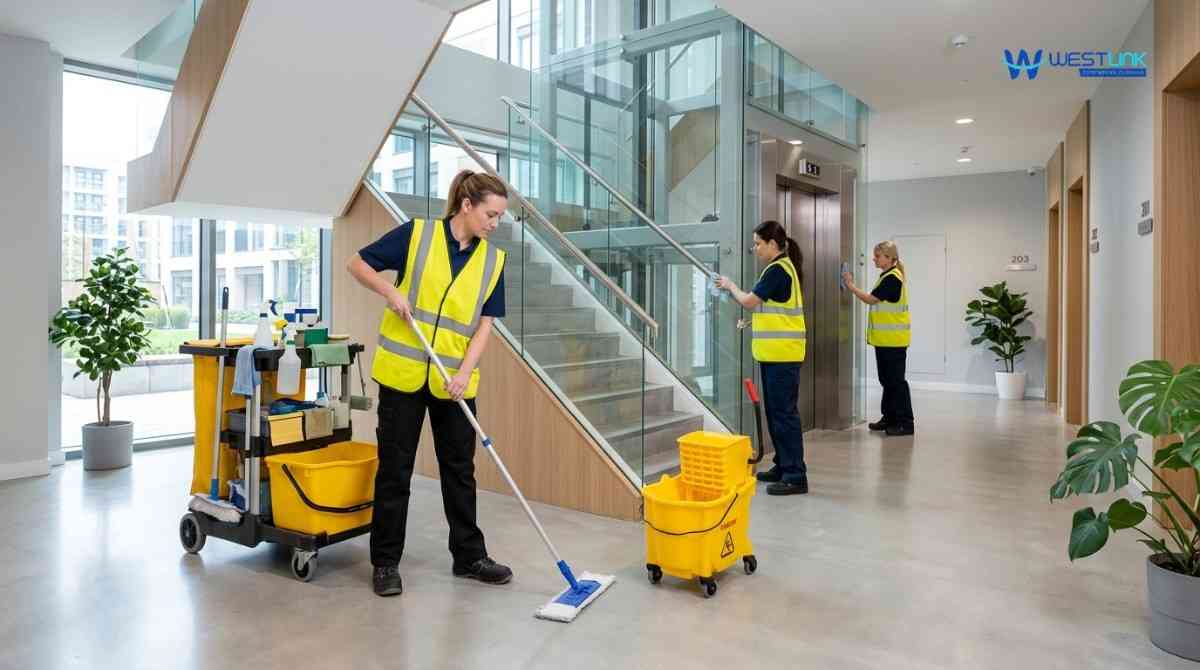
3. Staircases and Elevators
These areas are used frequently but often overlooked, making them critical for both cleanliness and safety.
Cleaning includes:
- Sweeping and mopping stairs
- Wiping and disinfecting handrails
- Cleaning elevator buttons and panels
- Polishing mirrors and stainless steel surfaces
Steps to clean:
- Sweep stairs and remove debris from corners and edges.
- Mop stairs carefully to avoid slippery surfaces.
- Wipe and disinfect handrails.
- Clean elevator buttons, panels, and doors with disinfectant.
- Polish mirrors and stainless steel surfaces.
Why: Keeps high-touch and high-traffic areas safe, hygienic, and visually appealing.
4. Car Park Cleaning
Car parks are exposed to dirt, oil leaks, and debris, which can quickly make them look neglected and unsafe.
Typical tasks:
- Sweeping and pressure washing
- Removing oil and grease stains
- Clearing rubbish and debris
- Maintaining line markings (if required)
Steps to clean:
- Sweep or use mechanical sweepers to remove loose debris.
- Apply degreasing solution on oil stains and scrub.
- Pressure wash the entire area for deep cleaning.
- Remove litter, trash, and loose dirt.
- Inspect and maintain line markings if necessary.
Why: Prevents slips, maintains appearance, and protects the surface from damage.
5. Waste Management Areas
Garbage areas can easily become sources of odor and bacteria if not maintained properly.
Services include:
- Cleaning bin rooms
- Disinfecting bins and surrounding areas
- Removing unpleasant odors
- Managing spills and waste buildup
Steps to clean:
- Empty bins and remove waste.
- Wash bins using disinfectant and scrub if needed.
- Clean surrounding floors and walls.
- Deodorize to prevent unpleasant smells.
- Inspect regularly for spills or overflow.
Why: Reduces bacteria, odors, and health risks in communal spaces.
6. Outdoor and Common Areas
Outdoor spaces contribute to the overall look and usability of the property. Regular upkeep keeps them safe and inviting.
Includes:
- Pathway and walkway cleaning
- Garden area tidying
- Poolside cleaning
- BBQ and shared facility maintenance
How to clean:
Sweep pathways and remove debris regularly, wash surfaces when needed, and maintain outdoor furniture and shared spaces to keep them clean and usable.
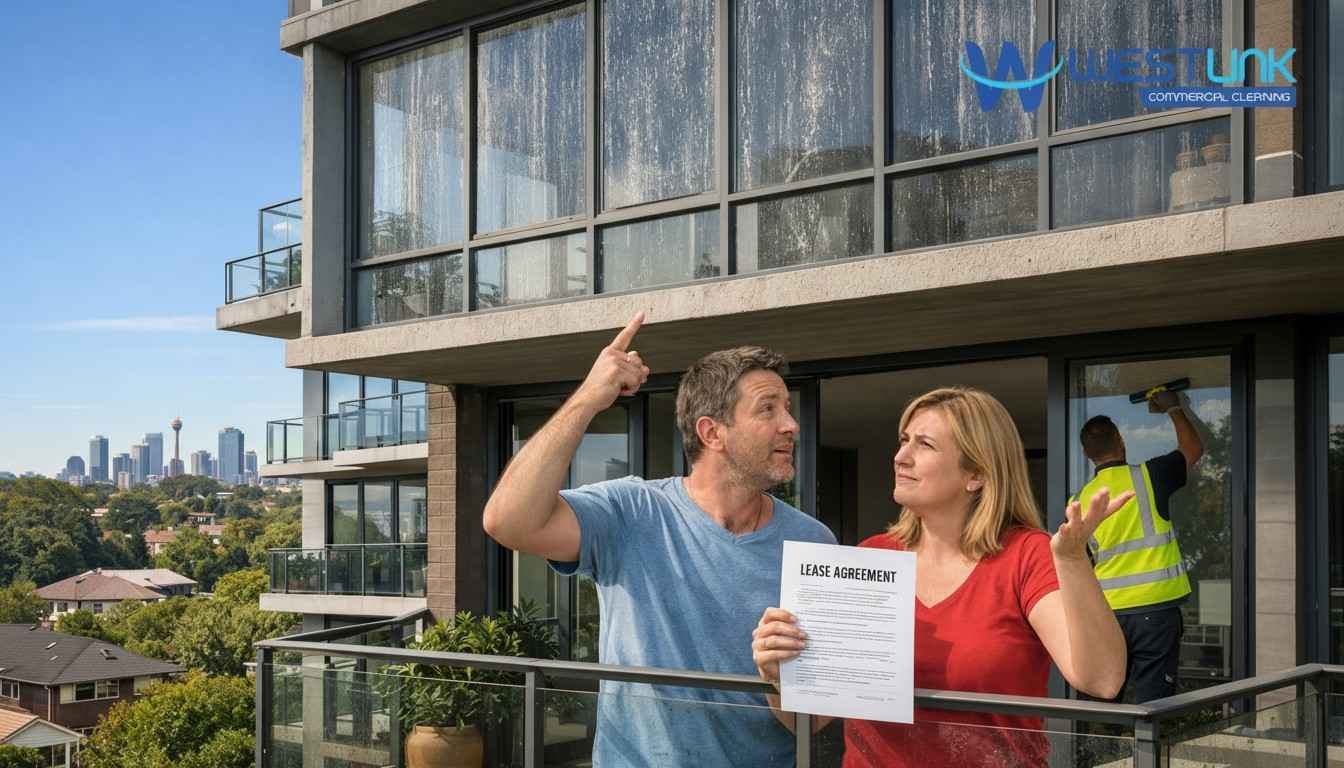
7. Window and Glass Cleaning
Clean windows improve both the appearance and natural lighting of the building.
Services:
- Interior and exterior window cleaning
- Glass railing cleaning
- Removing smudges, dust, and streaks
Steps to clean:
- Remove dust and loose dirt from window frames.
- Apply streak-free glass cleaner to interior and exterior surfaces.
- Wipe using microfiber cloths or squeegees.
- Clean glass railings and partitions.
- Inspect for smudges or streaks and repeat if needed.
Why: Improves natural light, hygiene, and the overall look of the building.
8. Deep Cleaning Services
In addition to routine cleaning, deep cleaning is essential for long-term maintenance and restoring surfaces.
Includes:
- Carpet steam cleaning
- Tile and grout cleaning
- High-pressure washing
- Floor polishing and restoration
Steps to clean:
- Steam clean carpets and upholstery.
- Clean tile and grout with specialized solutions.
- Pressure wash exterior surfaces, including walls and floors.
- Polish hard floors to restore shine and remove scratches.
- Inspect and treat problem areas for long-term maintenance.
Why: Extends the life of surfaces, prevents damage, and maintains a professional standard.
Final Insight
Strata cleaning is not just about surface-level cleaning—it’s a comprehensive system that covers every shared area of a property. Each section requires a specific method, frequency, and level of attention to maintain cleanliness, safety, and visual appeal.
That’s why many property managers rely on experienced teams like Westlink Commercial Cleaning, who understand how to handle each area efficiently while maintaining consistent, high-quality standards
Types of Properties That Need Strata Cleaning
Strata cleaning isn’t just about keeping floors clean—it’s about maintaining shared spaces, ensuring they are safe, hygienic, visually appealing, and preserving the value of the property. The following property types benefit most from regular strata cleaning
1. Residential Buildings
What it includes: Apartments, townhouses, residential complexes.
Why it matters: Residential buildings have high-traffic common areas such as lobbies, hallways, elevators, and gardens. Without regular cleaning, these spaces can quickly become dirty, creating health risks, discomfort, and a negative impression for residents.
Key takeaway: Strata cleaning ensures a safe, hygienic, and welcoming environment, boosting resident satisfaction and retention.
2. Commercial Properties
What it includes: Offices, coworking spaces, retail outlets, and strata-managed commercial buildings.
Why it matters: Commercial properties are public-facing. Clean reception areas, corridors, and shared kitchens present a professional image for clients and employees. Regular disinfection of high-touch areas helps maintain hygiene and prevent the spread of germs.
Key takeaway: Strata cleaning supports health, professionalism, and client confidence in commercial settings.
3. Mixed-Use Developments
What it includes: Properties combining residential, commercial, and recreational spaces.
Why it matters: Mixed-use developments have diverse cleaning needs, as residents and businesses share spaces like entrances, corridors, car parks, and outdoor areas. A well-planned cleaning schedule ensures all areas remain clean and operational without disrupting daily activities.
Key takeaway: Strata cleaning keeps shared spaces functional, safe, and visually appealing for everyone.
Key takeaway: Strata cleaning ensures all shared spaces are hygienic, safe, and visually appealing, regardless of how they are used.
How Often Should Strata Cleaning Be Done?
The cleaning frequency depends on the size and usage of the property.
Daily Cleaning
- Entrances
- Lobbies
- Elevators
Why it’s important: These high-traffic zones see constant use. Daily cleaning ensures dirt and dust are removed, high-touch surfaces are sanitized, and the property maintains a welcoming first impression.
How to clean:
- Sweep or vacuum floors to remove dust and debris.
- Mop floors using an appropriate cleaning solution.
- Wipe and disinfect high-touch areas such as door handles, elevator buttons, and counters.
- Empty bins and remove any litter.
Weekly Cleaning
- Hallways
- Staircases
- Car parks
Why it’s important: These spaces collect moderate dirt, scuffs, and debris over the week. Weekly cleaning prevents dust buildup, slippery surfaces, and long-term wear.
How to clean:
- Vacuum carpets and mats thoroughly.
- Mop hard floors, including staircases, with a suitable cleaner.
- Wipe and disinfect handrails, skirting boards, and other common surfaces.
- Sweep or pressure wash car park floors and remove trash or debris.
Monthly Cleaning
- Windows
- Deep cleaning tasks
Why it’s important: Monthly cleaning focuses on areas that don’t require daily attention but need regular maintenance to prevent long-term damage and maintain appearance.
How to clean:
- Wash interior and exterior windows, removing streaks and smudges.
- Steam-clean carpets and rugs to remove embedded dirt.
- Scrub tiles, grout, and other hard surfaces as needed.
- Polish floors and surfaces to restore shine.
Seasonal Cleaning
- Pressure washing
- Exterior maintenance
Why it’s important: Seasonal cleaning handles long-term maintenance, helping preserve the property’s structural integrity and visual appeal.
How to clean:
- Use professional pressure washers for exterior walls, pathways, and decks.
- Remove debris, fallen leaves, and dirt from outdoor areas.
- Inspect and clean gardens, BBQs, and recreational areas.
- Check less-accessible areas and perform minor repairs or deep cleaning as needed.
Cost of Strata Cleaning Services
| Factor | Description | Impact on Cost |
| Property Size | Larger buildings require more staff, time, and cleaning materials. | Higher total cost for bigger properties; small buildings cost less. |
| Number of Common Areas | Includes lobbies, hallways, staircases, elevators, car parks, outdoor areas. | More areas → higher cost due to increased workload and resources. |
| Cleaning Frequency | Daily, weekly, monthly, or seasonal cleaning schedules. | Frequent cleaning (daily/weekly) increases costs, while occasional cleaning is cheaper. |
| Type of Services Required | Standard cleaning (sweeping, mopping) vs specialized tasks (pressure washing, window cleaning, deep carpet cleaning). | Specialized services raise cost due to expertise, equipment, and time required. |
| General Pricing Estimate | Small buildings vs large complexes. | Small buildings: lower overall cost. Large complexes: higher total cost but more cost-effective per unit. |
Common Challenges in Strata Cleaning
This section highlights the key difficulties property managers and cleaning teams face when maintaining shared spaces in strata properties. Understanding these challenges helps explain why professional services are often needed and guides readers on best practices.
1.High Foot Traffic
Explanation: Entrances, lobbies, hallways, and elevators are used constantly by residents, employees, and visitors.
Impact: Dirt, dust, and debris accumulate faster, increasing the frequency and intensity of cleaning.
Consideration: Requires efficient cleaning schedules and durable materials to maintain hygiene and appearance.
2.Shared Responsibility
Explanation: Multiple tenants or owners in a property can result in inconsistent cleaning habits and varied levels of cooperation.
Impact: Messy common areas, littering, or spills may occur more often than in single-ownership buildings.
Consideration: Professional cleaners provide a consistent standard, ensuring all areas are maintained regardless of tenant behavior.
3.Different Surface Types
Explanation: Strata properties often have carpets, tiles, hardwood, stainless steel, glass, and outdoor areas.
Impact: Each surface requires specialized cleaning techniques and products. Using the wrong method can cause damage.
Consideration: Professionals are trained in surface-specific methods like steam cleaning, pressure washing, or polishing.
4.Scheduling Issues
Explanation: Cleaning must be performed without disrupting residents, employees, or customers.
Impact: Improper scheduling can cause inconvenience or complaints.
Consideration: Professionals can create flexible cleaning plans—early mornings, evenings, or off-peak times—to minimize disruption
When and Why You Might Need Professional Strata Cleaning
Not every property requires constant professional cleaning, but certain situations make expert services essential:
- High-traffic properties: Buildings with frequent use—like apartments, offices, and mixed-use developments—accumulate dirt, germs, and wear much faster.
- Large or complex spaces: Managing multiple shared areas such as lobbies, corridors, elevators, and car parks can be difficult without professional support.
- Health and safety risks: Dirty or poorly maintained areas can lead to bacteria buildup, unpleasant odors, and accidents like slips and falls.
- Maintaining property value: Regular professional cleaning helps prevent long-term damage and keeps the property looking well-maintained and attractive.
Benefits of Hiring Professional Strata Cleaning Services
Choosing professional strata cleaning offers several important advantages:
- Consistent high-quality results: Trained cleaners follow structured schedules to ensure every area is properly maintained.
- Improved hygiene and safety: Regular sanitization reduces germs and creates a safer environment for residents, employees, and visitors.
- Time and stress savings: Property managers and owners can focus on other responsibilities instead of handling cleaning issues.
- Long-term cost savings: Preventive cleaning reduces the need for expensive repairs and replacements.
- Professional appearance: Clean and well-maintained spaces create a positive impression and enhance the overall image of the property.
How to Choose the Right Strata Cleaning Provider
When selecting a cleaning service, keep these key factors in mind:
- Experience and reliability: Work with trusted providers like Westlink Commercial Cleaning, who understand the unique demands of strata properties.
- Comprehensive service coverage: Ensure all shared areas are included, from entrances and hallways to car parks and outdoor spaces.
- Advanced equipment and methods: Professional teams use industry-grade tools and effective cleaning techniques.
- Flexible plans and transparent pricing: Choose a provider that offers customised solutions and clear communication.
Ask These Questions:
- What services are included?
- How often will cleaning be done?
- Do you provide customised plans?
- What safety measures do you follow?
Frequently Asked Questions
1. What is the difference between regular cleaning and strata cleaning?
Strata cleaning focuses on shared and communal areas of a property, whereas regular cleaning is usually limited to individual apartments or offices. It requires special equipment, schedules, and safety measures for high-traffic zones.
2. How can strata cleaning help with long-term property maintenance?
Regular strata cleaning prevents damage from dirt, dust, and grime, reduces wear on floors and walls, and keeps outdoor areas in good condition. This protects property value over time.
3. Are there eco-friendly options for strata cleaning?
Yes! Many professional services now use green cleaning products and low-water methods, which are safe for residents, pets, and the environment, while still maintaining hygiene and visual appeal.
4. Can strata cleaning include pest prevention?
While cleaning doesn’t replace pest control, professional strata cleaners can identify early signs of pests in bin areas, car parks, and common spaces, helping prevent infestations.
5. How do cleaning companies handle different surfaces?
Professional teams use surface-specific methods:
- Carpets → steam cleaning or dry cleaning
- Tiles & grout → scrubbing and sanitizing
- Stainless steel and glass → polishing without streaks
This ensures long-lasting results without damage.
6. Is it possible to schedule strata cleaning outside normal hours?
Yes, many providers offer flexible cleaning schedules in early mornings, evenings, or weekends to avoid disturbing residents, employees, or business operations.
7. What are common mistakes in DIY strata cleaning?
- Using wrong cleaning products that damage surfaces
- Missing high-touch areas like elevator buttons or handrails
- Inconsistent schedules leading to dirt buildup
Professional cleaning eliminates these mistakes.
8. How can strata cleaning improve safety?
Regular cleaning reduces slip and fall risks, removes allergens and bacteria, and ensures clear, unobstructed walkways in all shared areas.
9. Do strata cleaning companies provide emergency services?
Some professional cleaners offer on-demand services for spills, floods, or unexpected messes in common areas, ensuring the property remains safe and clean.